Introduction
Ramadan, the ninth month of the Islamic lunar calendar, holds profound significance for millions of Muslims worldwide. This sacred time of fasting, prayer, reflection, and community fosters spiritual growth and enhances the sense of solidarity within the Muslim community. As Ramadan approaches, its cultural and religious implications become increasingly relevant, not just for Muslims, but for the broader global community.
The Practices of Ramadan
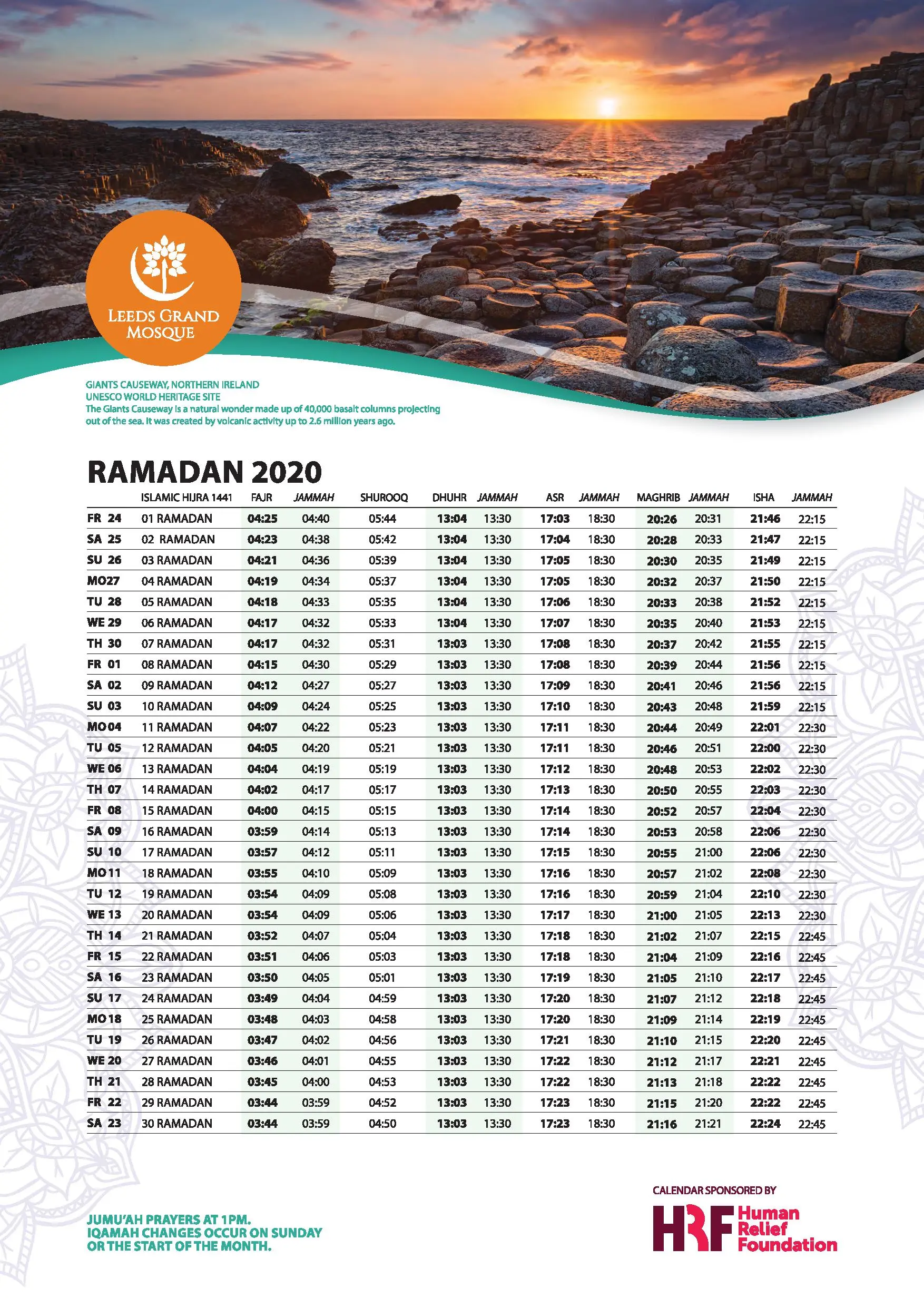
At its core, Ramadan is defined by fasting from sunrise to sunset, known as ‘Sawm.’ This practice is one of the Five Pillars of Islam and serves to purify the soul, promote empathy for the less fortunate, and cultivate discipline. Each day, Muslims engage in ‘Suhoor,’ a pre-dawn meal, followed by the fast that continues until sunset when they open their fast with ‘Iftar’—often starting with dates and water, following with family meals.
In addition to fasting, Ramadan emphasizes increased prayer and recitation of the Qur’an. Many Muslims aim to read the entire Qur’an during the month, reflecting on its teachings and integrating them into their daily lives. Nightly prayers, called ‘Tarawih,’ are held in congregational settings, allowing friends, family, and community members to come together in worship.
Global Observance and Variations
Across the world, Ramadan is observed in diverse ways, shaped by cultural traditions and local customs. Countries like Saudi Arabia and Turkey observe Ramadan with public festivities, including markets and special food offerings. Meanwhile, others may incorporate unique local foods or customs into their Iftar meals. This showcases the adaptability of Ramadan practices while still adhering to its spiritual fundamentals.
The Impact of Ramadan
Ramadan serves not only as a time for personal introspection but also as an opportunity for community engagement and charity, or ‘Zakat.’ Many Muslims are encouraged to donate to those in need, reinforcing social responsibilities and community support. The spirit of giving during Ramadan often leads to increased charitable contributions, highlighting the month’s role in fostering compassion and solidarity.
Conclusion
As Ramadan approaches, its importance resonates deeply in the hearts of Muslims worldwide. The month serves as a reminder of the values of patience, empathy, and community. With increasing awareness and respect for different cultural practices, Ramadan continues to provide an opportunity for greater understanding among various cultures and religions. With its focus on spiritual growth and charitable acts, Ramadan not only nurtures the individual spirit but also uplifts the community, emphasizing a shared human connection.