Introduction
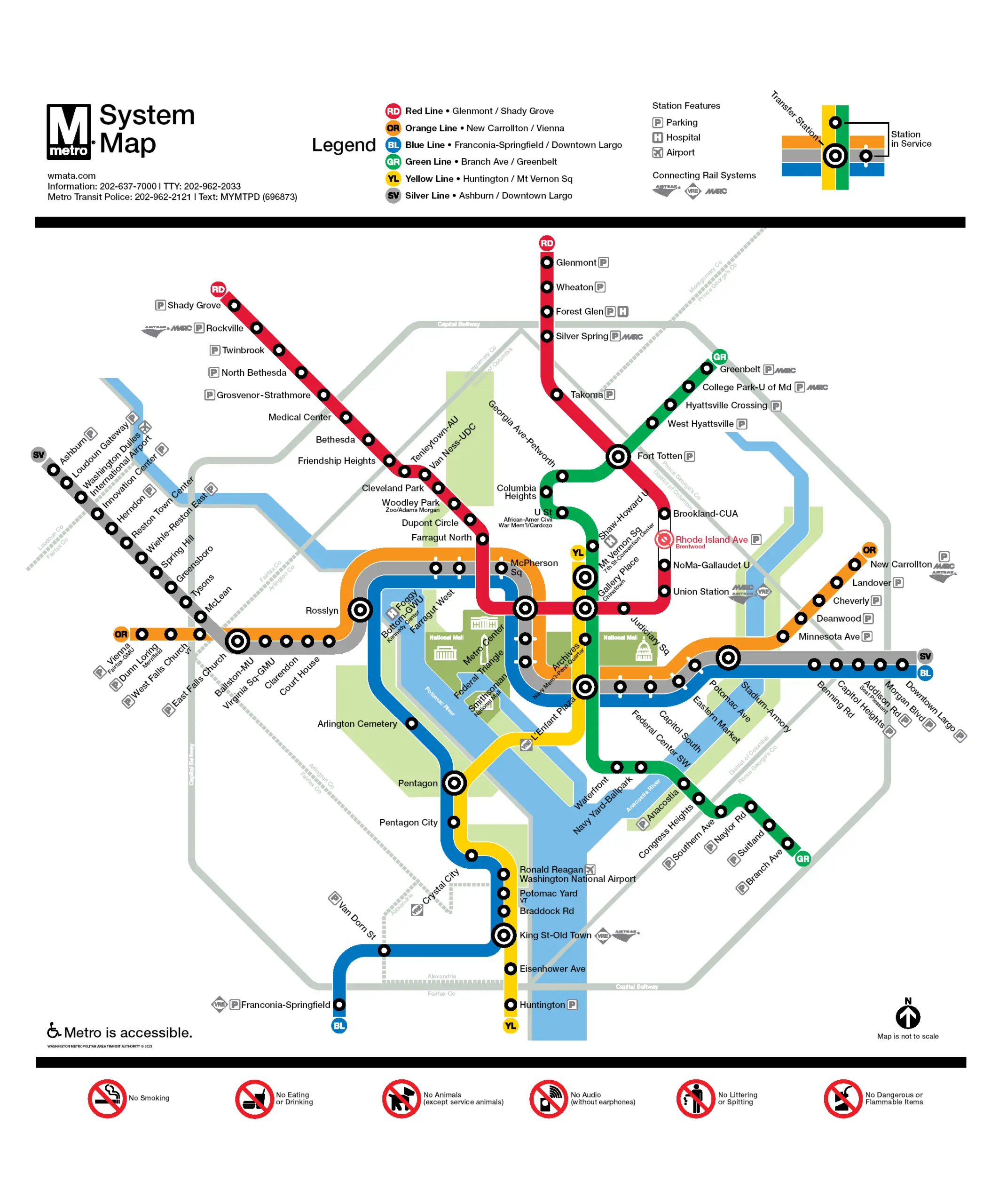
The Washington Metropolitan Area Transit Authority (WMATA) plays a crucial role in facilitating efficient transportation across the D.C., Maryland, and Virginia metropolitan area. Serving millions of commuters and tourists each year, WMATA’s Metro system is an essential component of urban mobility and sustainability. Understanding recent developments and challenges faced by WMATA can shed light on the current state and future of public transportation in the nation’s capital.
Recent Developments
In 2023, WMATA has implemented several improvements aimed at enhancing rider experience and safety. Following the ongoing recovery from the pandemic, ridership levels have rebounded, prompting the authority to invest in system upgrades. This includes the expansion of service hours, increased train frequencies during peak periods, and the introduction of new safety measures to accommodate rising passenger volumes.
In August 2023, WMATA announced the completion of major renovations at key Metro stations, which are designed to improve accessibility for individuals with disabilities. These renovations include elevator installations, tactile guidance systems, and additional signage for better navigation. Additionally, the authority has launched a new customer service app, allowing riders to monitor real-time train arrivals and service alerts, thereby enhancing the overall commuter experience.
Challenges Ahead
Despite these advances, WMATA continues to face several challenges, including funding constraints and aging infrastructure. The recent fare increases aimed at generating additional revenue have sparked discussions among riders about affordability. As communities grow and ridership increases, there are concerns regarding the sustainability of WMATA’s funding model, which relies heavily on local and federal support.
Moreover, WMATA is also grappling with the need to modernize its transit fleet. The introduction of new railcars is crucial to ensuring reliability and safety, especially as older models are phased out of service. To tackle these issues, WMATA has initiated conversations with local government officials and stakeholders to explore innovative funding solutions and strategic investments.
Conclusion
Overall, WMATA remains a vital institution in the transportation landscape of Washington D.C. Its ongoing improvements and adaptations to meet the needs of an evolving urban environment reflect a commitment to public service and sustainability. As the region continues its recovery from the impacts of the pandemic, the future of WMATA will largely depend on collaborative efforts among officials, stakeholders, and the community to ensure that the transit system can thrive and meet the demands of the future.