Introduction
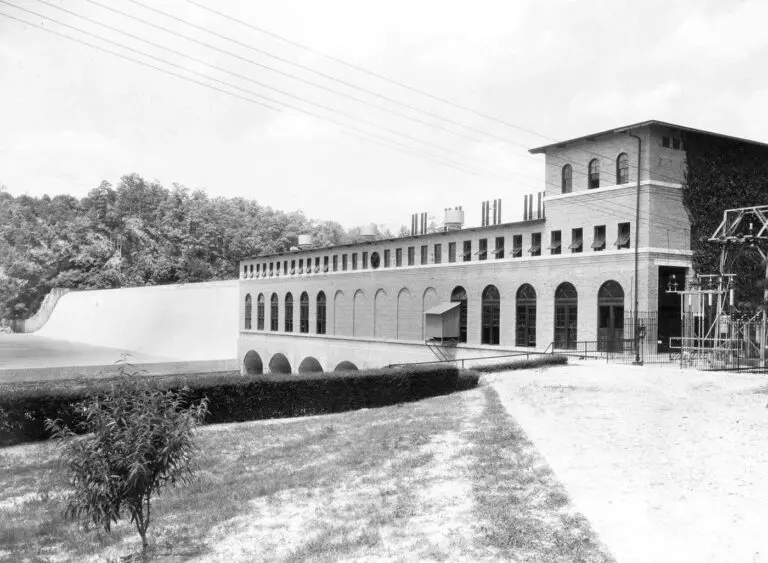
The national grid is a critical infrastructure that forms the backbone of electricity distribution in the United States. It connects various power plants to consumers, facilitating the flow of electricity from generation to household and industrial use. Understanding the national grid is essential as it plays a pivotal role in national energy security, economic stability, and environmental sustainability.
The Structure of the National Grid
The U.S. national grid consists of a vast network of high-voltage transmission lines, substations, and distribution lines. This intricate system is divided into three primary interconnected grids: the Eastern, Western, and Texas interconnects. Each of these grids operates independently but can exchange electricity in times of need. The Energy Information Administration (EIA) reports that there are over 200,000 miles of high-voltage transmission lines carrying power across the country.
Current Developments and Challenges
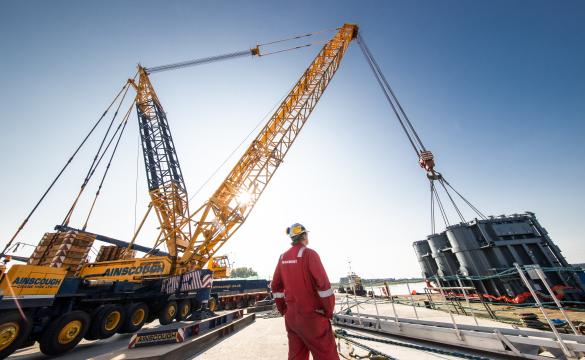
As of 2023, the national grid faces numerous challenges, including aging infrastructure, climate change, and increasing energy demand. The American Society of Civil Engineers (ASCE) has highlighted the need for significant upgrades, estimating that the U.S. needs to invest approximately $4.5 trillion by 2039 to modernize its electrical infrastructure. In addition, the growing shift towards renewable energy sources, such as wind and solar, necessitates a re-evaluation of the grid’s design to accommodate these variable resources.
Recently, legislative measures have been introduced to address these urgent issues. The Infrastructure Investment and Jobs Act, passed in 2021, allocated billions for grid modernization and enhancements to boost reliability and resilience against climate events. Furthermore, federal agencies are pushing for smart grid technologies that employ digital communication to improve efficiency, reduce outages, and support decentralized energy systems.
Conclusion
The national grid is a vital component of the nation’s energy landscape, and its maintenance and improvement are paramount for future sustainability. As the U.S. transitions to more renewable energy sources, investments in smart technologies and modernization will enhance the resilience and efficiency of the grid. For readers, understanding the national grid is crucial not only for appreciating how electricity reaches their homes but also for recognizing the ongoing efforts and initiatives to create a robust energy infrastructure that meets today’s demands and prepares for the future.