Introduction
The National Grid plays a crucial role in energy distribution across the United States, serving as the backbone of our electricity system. As the demand for reliable and sustainable energy sources increases, understanding the infrastructure and function of the National Grid becomes increasingly important. Recent discussions around grid modernization, renewable energy integration, and resilience against climate change highlight the relevance of the National Grid in today’s society.
What is the National Grid?
The National Grid refers to the interconnected network of transmission lines, substations, transformers, and other infrastructure that delivers electricity from power plants to consumers. It ensures not only that electricity can be transmitted across vast distances but also that it can be efficiently distributed to meet regional demands.
Recent Developments and Challenges
As of 2023, there have been numerous advancements and initiatives aimed at upgrading the National Grid. According to the U.S. Department of Energy, the government has invested significantly in grid modernization projects, including smart technology to enhance real-time monitoring and management of electrical flow. These technologies are designed to improve resilience against outages caused by extreme weather events, such as hurricanes and wildfires.
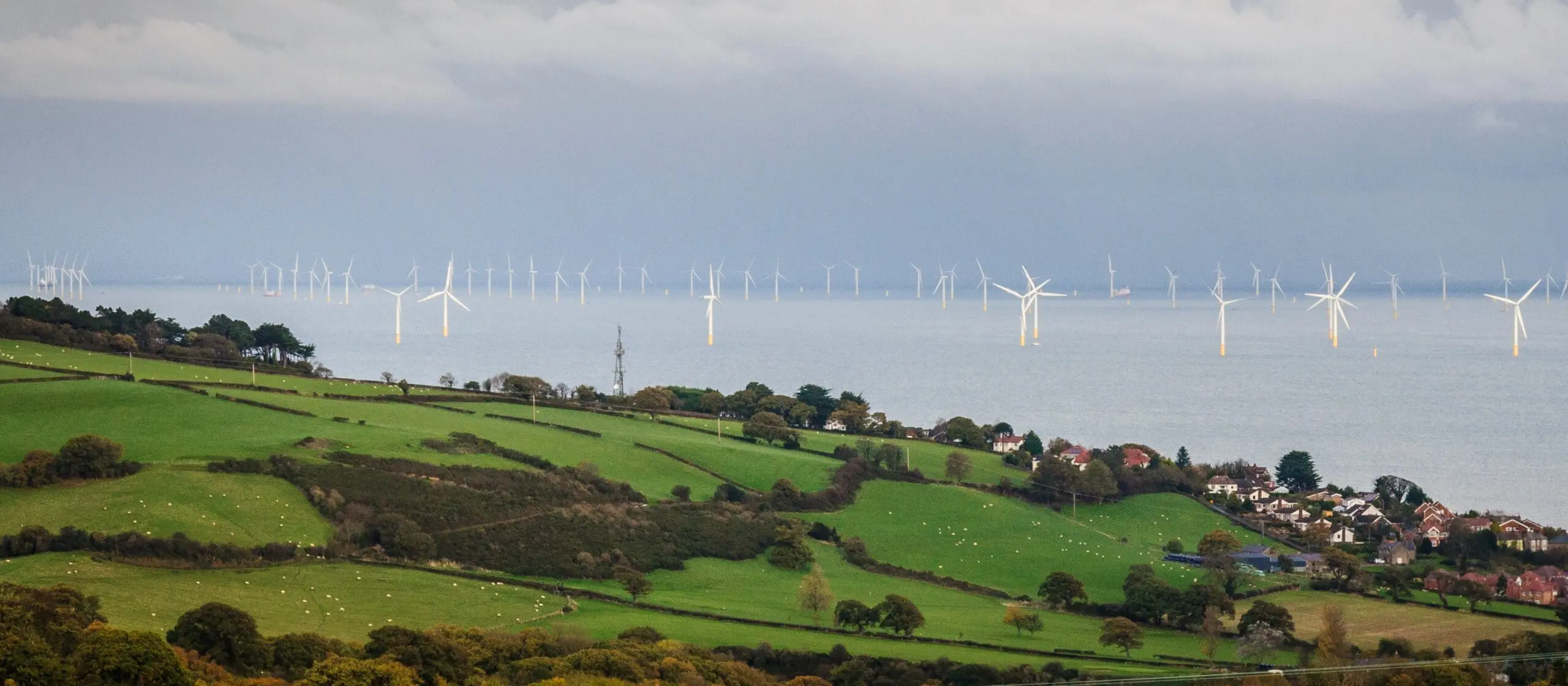
However, challenges persist. The National Grid must adapt to an increasing share of renewable energy sources, such as solar and wind. These energy sources, while essential for reducing greenhouse gas emissions, present variability that the traditional grid was not designed to handle. To address this, the National Renewable Energy Laboratory (NREL) has suggested the development of energy storage solutions and demand response strategies that can help balance supply and demand effectively.
Importance of Resilience and Sustainability
In light of recent climate-related disasters, the resilience of the National Grid has become a priority. The 2023 Infrastructure Investment and Jobs Act has allocated funds aimed at fortifying infrastructure to withstand extreme weather conditions and cyber threats. These investments are not only aimed at immediate improvements but also at long-term sustainability goals.
Conclusion
The National Grid is not merely an infrastructural element; it is a vital component that supports economic growth and social stability. As the United States moves towards a more sustainable energy future, the continued modernization and resilience of the National Grid will be essential. For consumers, understanding these developments can pave the way for more informed discussions on energy policy and conservation efforts, influencing how we approach our energy consumption in the decades to come.