Importance of the MTA
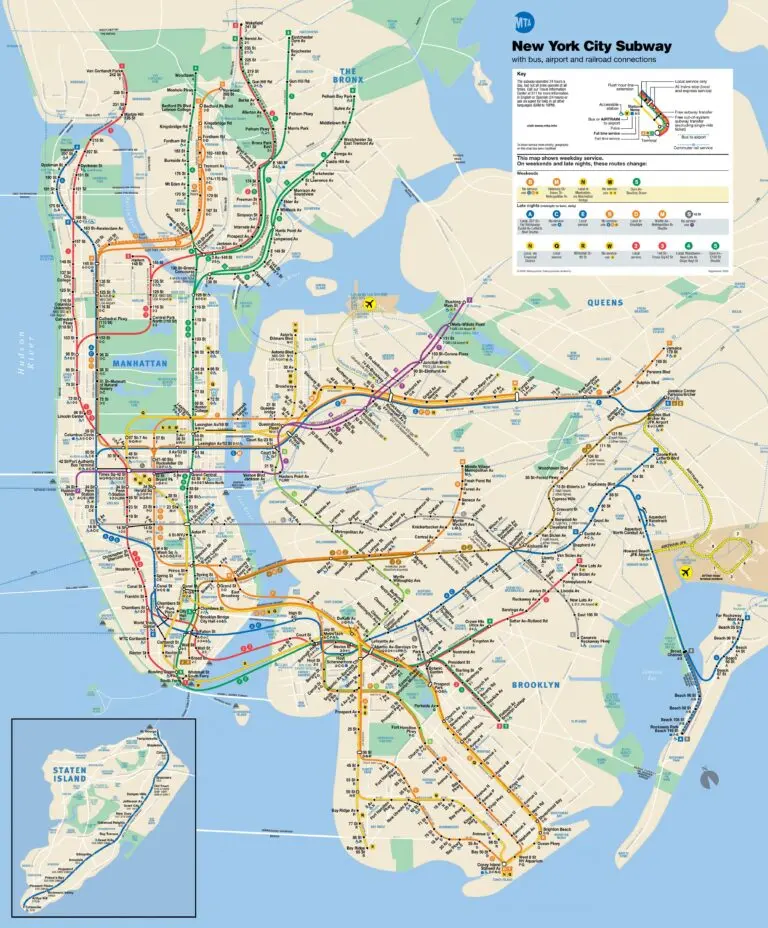
The Metropolitan Transportation Authority (MTA) is a crucial entity in New York City, managing public transit including subways, buses, and commuter trains. As the backbone of the city’s transport system, any changes or updates to the MTA are significant for millions of commuters and tourists who rely on its services daily.
Current Developments
As of October 2023, the MTA is undergoing a series of vital upgrades and improvements aimed at enhancing service reliability and safety. One of the major initiatives includes the rollout of a new contactless fare payment system, allowing commuters to use their smartphones and credit cards for seamless entry into the transit system. This move is part of a broader push to modernize the fare collection system, with the eventual goal of phasing out traditional MetroCards.
Moreover, the MTA has initiated a $500 million project focusing on the renovation of aging subway stations, which includes accessibility enhancements to better serve individuals with disabilities, updated lighting, and improved signage to facilitate navigation. This is particularly relevant given the increasing focus on equitable access to public transportation.
Public Safety Measures
In light of ongoing safety concerns, especially after the COVID-19 pandemic, the MTA has also ramped up its efforts to ensure a safe commuting environment. This includes increased sanitation measures across all service modes and the deployment of more security personnel in and around transit stations. Furthermore, the authority has begun trials for new security surveillance technology to monitor subway stations and trains more effectively.
Future Considerations
Looking ahead, the MTA is set to release its five-year capital plan, which will outline additional projects aimed at tackling climate change through sustainable transportation practices. The focus will include investing in electric buses and improving the energy efficiency of subway operations. These initiatives are expected to play a critical role in the MTA’s long-term planning and operational efficiency as the agency strives to meet future transportation demands.
Conclusion
In summary, the MTA is currently in a transformative phase, addressing both immediate concerns and long-term goals. As New York City continues to evolve, the MTA’s commitment to modernizing its services and infrastructure will be essential to ensure that public transportation remains safe, efficient, and accessible for all users.