Introduction
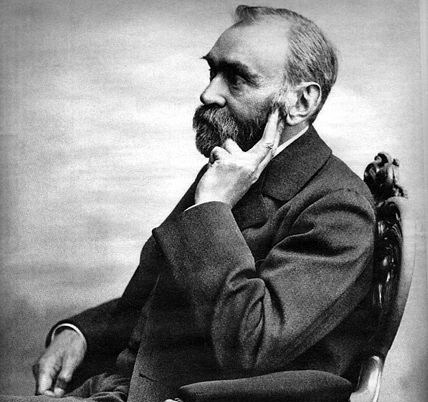
Alfred Nobel, a Swedish chemist, engineer, and inventor, is most renowned for his invention of dynamite and his establishment of the Nobel Prizes. His contributions to science and culture have left a significant mark on the world, making the study of his life and impact more relevant than ever, particularly in today’s context of innovation and the ethical implications of scientific advancements.
The Early Life of Alfred Nobel
Born on October 21, 1833, in Stockholm, Sweden, Nobel grew up in a family involved in the technology and weapons industries. His father, Immanuel Nobel, was an inventor and engineer who influenced Alfred’s early interests in science. After studying in various countries, including Sweden, Germany, and the United States, Alfred pursued chemistry and became well-versed in its applications.
Invention of Dynamite
Nobel’s most famous invention, dynamite, was patented in 1867. This invention revolutionized construction and mining, providing a safer alternative to nitroglycerin, which was highly unstable and dangerous. While dynamite contributed significantly to industrial advancement, it also raised ethical concerns about its use in warfare. This irony weighed heavily on Nobel, particularly after he read a premature obituary referring to him as the ‘merchant of death.’
The Establishment of the Nobel Prizes
Reflecting on his legacy, Nobel expressed a desire to be remembered for something positive. Thus, in his will, he established the Nobel Prizes, awarding those who have made exceptional contributions to humanity in fields such as Physics, Chemistry, Medicine, Literature, and Peace. The first prizes were awarded in 1901, and they have become a prestigious international recognition for remarkable achievements.
Relevancy Today
Nobel’s legacy remains significant as society grapples with the consequences of technological advancements and the moral responsibilities that accompany them. The Nobel Prizes also continue to inspire countless individuals in the fields of science, literature, and peace efforts, reflecting the ongoing importance of innovation and advocacy.
Conclusion
Alfred Nobel’s life exemplifies the dual-edged nature of technological advancement, where innovation can lead to both progress and ethical dilemmas. His establishment of the Nobel Prizes offers a lasting legacy that promotes positive contributions to society. As we continue to navigate the complexities of modern-day technology, Nobel’s vision of recognizing and rewarding excellence stands as a beacon of encouragement for future generations.