Introduction
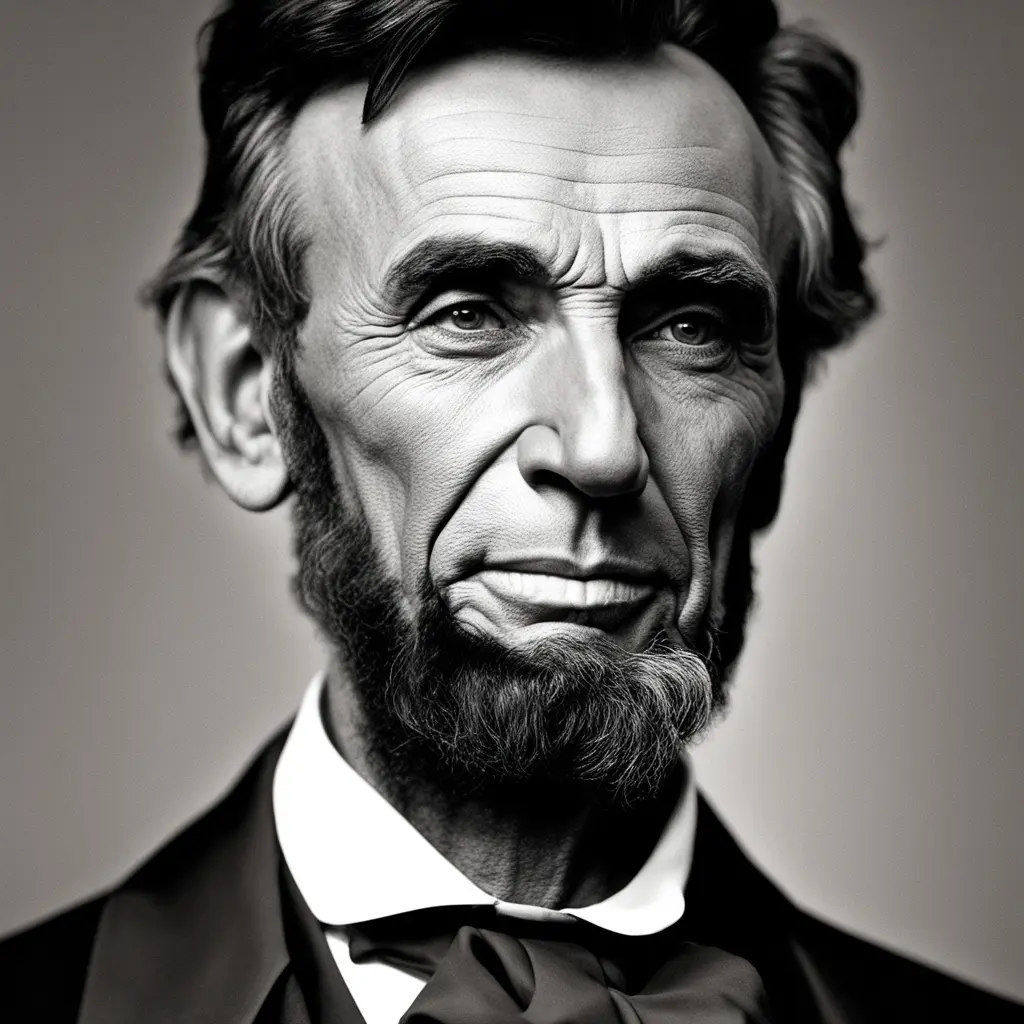
Abraham Lincoln, the 16th president of the United States, is widely regarded as one of the most influential figures in American history. His leadership during the Civil War and his commitment to ending slavery have left a lasting impact on the nation. As we approach significant anniversaries related to his presidency, understanding Lincoln’s contributions remains vital for appreciating the ongoing struggles for equality and unity in America.
Lincoln’s Early Years and Rise to Power
Born on February 12, 1809, in Hardin County, Kentucky, Lincoln grew up in a poor family, displaying a thirst for knowledge from a young age. His humble beginnings did not hinder his ambition; he was self-taught and became a successful lawyer. By 1860, Lincoln was elected as the first Republican president, a significant event as his party was formed on anti-slavery ideologies.
Leadership During the Civil War
Lincoln’s presidency was dominated by the Civil War, a conflict that tested the nation’s unity and purpose. His leadership was characterized by a commitment to preserving the Union against the backdrop of deep societal divisions. He delivered the Emancipation Proclamation on January 1, 1863, which declared the freedom of slaves in rebelling states, marking a crucial turn in the war and transforming it into a fight for human rights.
Notably, Lincoln faced immense pressure from various factions within the government and the military. Nonetheless, through strategic decisions and a focus on his moral compass, he managed to steer the country towards a path of healing post-war. The Gettysburg Address, delivered in 1863, is a testament to his vision of a nation dedicated to the principles of liberty and equality.
Legacy and Impact
Lincoln’s assassination on April 14, 1865, shocked the nation and cut short his remarkable journey. However, his legacy has continued to influence American values and policies. His efforts in promoting equality were further recognized with the passage of the 13th Amendment, which abolished slavery. Today, Lincoln is celebrated not only as a leader who helped preserve the Union but as an enduring symbol of the fight for civil rights.
Conclusion
In reflecting on Abraham Lincoln’s life and leadership, it becomes clear that his commitment to unity, freedom, and justice remains relevant to modern America. His story is a reminder of the power one individual can have in shaping the course of history. As we continue to confront issues of inequality and social justice today, Lincoln’s ideals serve as a guiding light for continued progress. His legacy is not merely historical; it is a call to action for current and future generations.