Introduction to Pope Leo
Pope Leo, one of the most influential popes in the history of the Catholic Church, particularly in the 5th century, played a crucial role in shaping Christian doctrine and the church’s governance. Recognized for his theological contributions and efforts to strengthen the authority of the papacy, Leo’s legacy is significant for both the church and the wider Christian community.
Pope Leo I: Key Contributions
Pope Leo I, who served as pope from 440 to 461, is renowned for his writings, which include the famous “Tome of Leo.” This letter affirmed the Christological doctrine of the hypostatic union, which played a pivotal role at the Council of Chalcedon in 451. Leo’s articulation of doctrine helped clarify the dual nature of Christ as both fully divine and fully human, which became essential to Christian belief.
Moreover, Pope Leo is credited with the development of the concept of papal supremacy. He took significant steps to assert the authority of the Roman bishopric, positioning the pope as the ultimate spiritual authority. This was particularly vital during a time when the church faced various theological controversies and political upheaval.
Political Landscape During Pope Leo’s Reign
Pope Leo I was also a formidable diplomat and leader during a tumultuous time in the Roman Empire. His tenure saw numerous invasions and challenges, including the threat posed by Attila the Hun. In a legendary encounter, Leo managed to convince Attila to turn back from his invasion of Italy, showcasing his influence not just as a religious leader but also as a political figure.
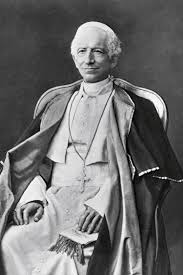
Pope Leo XIII: Modern Catholicism’s Architect
Fast forward to the 19th century, Pope Leo XIII, who led from 1878 to 1903, is also notable for his contributions, including addressing the relationship between the church and modern society. His encyclical, “Rerum Novarum,” laid the foundation for Catholic social teaching, advocating for workers’ rights and the rights of the poor in response to the industrial revolution. Leo XIII’s commitment to social justice resonates deeply in contemporary church teaching and the ongoing dialogue on social issues.
Conclusion: The Ongoing Influence of Pope Leo
The legacies of Pope Leo I and Pope Leo XIII illustrate the enduring impact of papal authority and theological development on Christianity. Their contributions to church doctrine, advocacy for social justice, and diplomacy during crises are critical lessons for today’s society. As the Catholic Church continues to navigate the complexities of the modern world, the teachings and legacies of these two Popes remain vital to understanding the role of faith in contemporary issues.