The Role of Weather Radar
Weather radar technology plays a critical role in modern meteorology by providing real-time data on precipitation, storm tracking, and severe weather warnings. Its ability to visualize weather patterns and predict potential hazards has drastically improved both public safety and emergency management.
Mechanics of Weather Radar
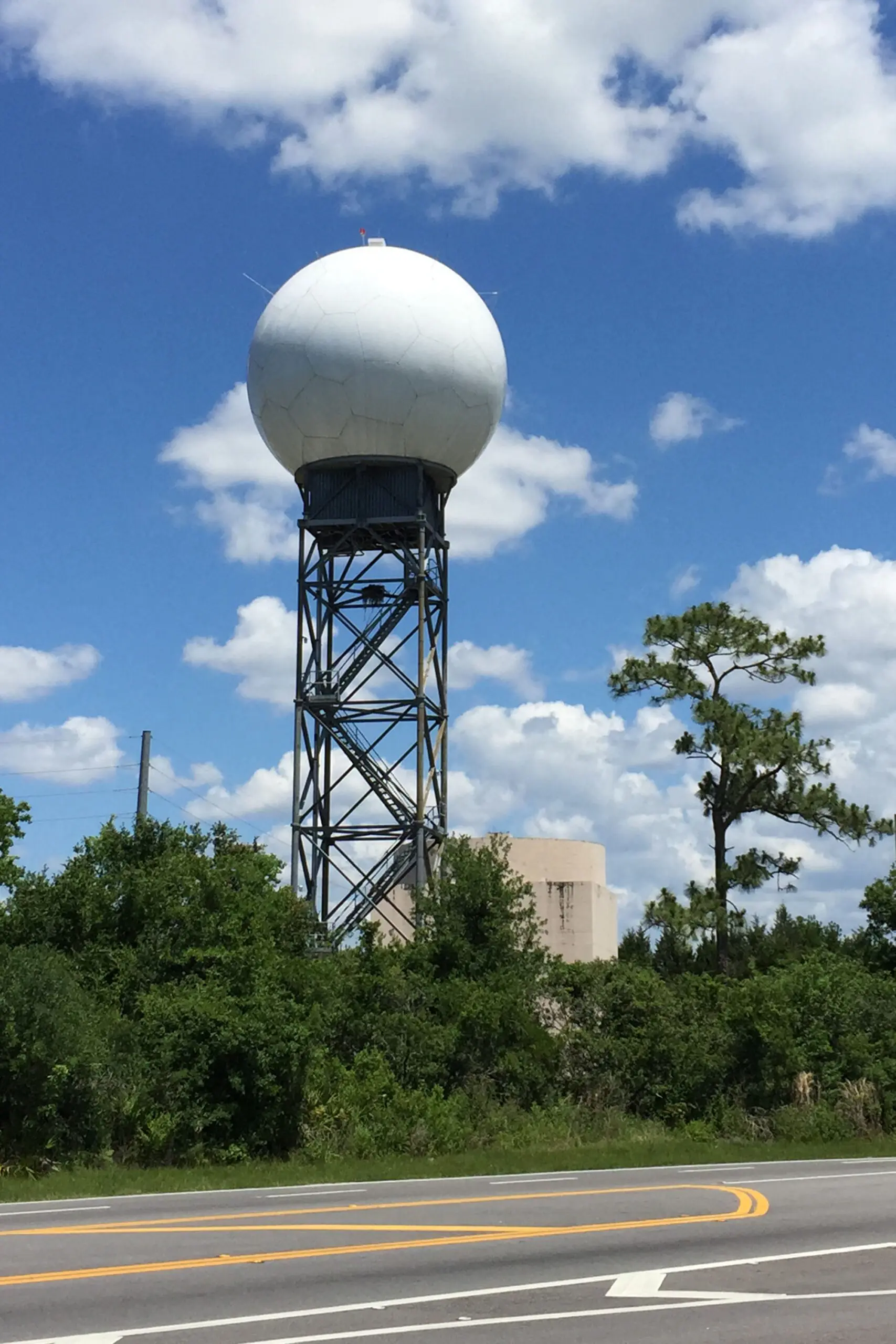
Weather radars operate by emitting radio waves and measuring their reflection off precipitation particles in the atmosphere. By analyzing the time it takes for the waves to return, meteorologists can determine the location, intensity, and movement of weather systems. The latest Doppler radar systems also measure the velocity of precipitation particles, helping to identify the rotation in thunderstorm cells that can lead to tornadoes.
Recent Developments
In recent years, advancements in radar technology have enhanced the accuracy and resolution of weather data. For instance, dual-polarization radar technology allows for the identification of different types of precipitation (like rain, hail, or snow) based on how the radar waves bounce back, leading to improved forecasts. The National Oceanic and Atmospheric Administration (NOAA) has been upgrading its radar networks to integrate these technologies, providing more accurate and timely weather information.
Impact on Weather Forecasting
The integration of weather radar data has fundamentally changed the way meteorologists predict severe weather. It allows for more localized forecasting, giving communities vital information on storms. For example, during severe weather events, radar can provide real-time updates that inform the public and emergency services about impending dangers, enabling timely evacuations or preparations.
Future Trends
Looking ahead, the future of weather radar technology seems promising. Innovations such as satellite-based radar systems and artificial intelligence are being developed to enhance data analysis and prediction models. These advancements could further refine forecasting abilities, making it possible to predict severe weather events days in advance with high accuracy.
Conclusion
Weather radar is an indispensable tool in meteorology, providing crucial data that saves lives and property. As technology continues to evolve, we can expect even greater improvements that will bolster our understanding of atmospheric conditions and enhance our ability to respond to severe weather threats effectively.