Introduction
Tornado warnings are crucial alerts issued by meteorological authorities to inform the public about impending tornado threats. These warnings are vital for public safety, as they provide critical information that can lead to timely evacuations and life-saving actions during severe weather events. With the frequency of tornado occurrences increasing due to climate change and other factors, understanding how these warnings work is more important than ever.
What Are Tornado Warnings?
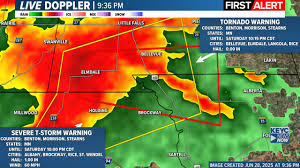
A tornado warning is issued by the National Weather Service (NWS) when a tornado has been sighted or indicated by weather radar. This warning is a call to action, urging individuals in the affected areas to seek shelter immediately. Tornado watches, by contrast, are issued when conditions are favorable for the formation of tornadoes, but one has not yet been confirmed.
Recent Events Highlighting the Need for Tornado Warnings
In 2023, several severe tornado outbreaks across the central United States underscored the importance of prompt and clear warnings. For instance, in early April, a series of tornadoes swept through Oklahoma, resulting in widespread damage and injuries. Thanks to timely warnings issued by the NWS, many residents were able to take cover, limiting casualties. A detailed review of the incident revealed that regions where warnings were effectively communicated experienced significantly fewer injuries than those where residents did not receive timely alerts.
Technological Advances in Tornado Warning Systems
Advancements in meteorological technology have improved the accuracy and timeliness of tornado warnings. Doppler radar technology and satellite surveillance allow meteorologists to detect conditions conducive to tornado formation sooner than ever. Additionally, the integration of social media and mobile alert systems has enabled rapid dissemination of warning information, reaching a wide audience in real-time. Emergency response systems are now able to send out alerts through text messages, emails, and local news stations, ensuring that communities are informed quickly.
Conclusion
The significance of tornado warnings cannot be overstated. As severe weather patterns become more unpredictable, awareness and preparation are key to minimizing the impact of these devastating storms. Communities must stay informed, heed warnings from local authorities, and have a safety plan in place. The future of tornado preparedness relies on continued investment in technology and public education. As changes in our climate potentially increase the number of severe weather events, understanding and responding to tornado warnings will remain a critical component of public safety.