Introduction to Supercells
Supercells are a type of thunderstorm characterized by the presence of a rotating updraft known as a mesocyclone. A supercell is significant in meteorology due to its potential to produce severe weather phenomena, including tornadoes, large hail, and intense rainfall. Understanding these storms is crucial for weather forecasting and public safety, especially in regions prone to severe weather events.
The Formation of Supercells
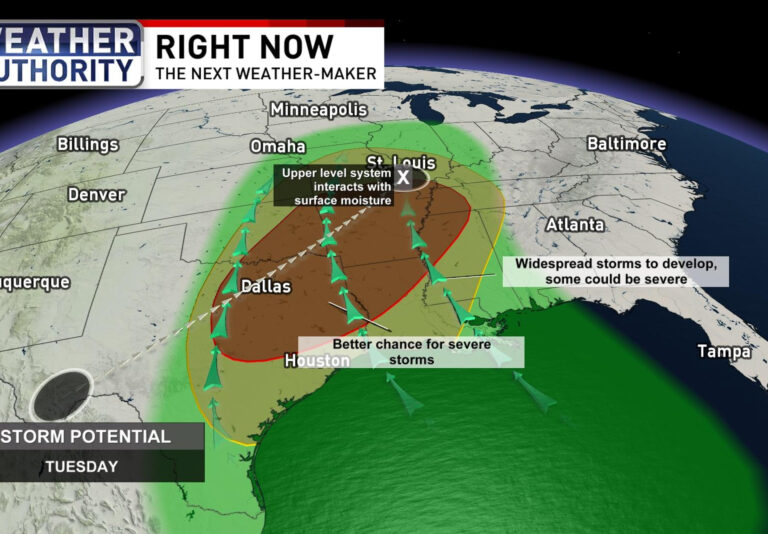
Supercells typically form in environments with significant wind shear and instability. The presence of a warm, moist air mass at the surface, combined with cooler, drier air at higher altitudes, provides the necessary conditions for these storms to develop. As warm air rises, it interacts with wind shear—variations in wind speed and direction with height—allowing the storm to rotate. This rotation is a defining characteristic of supercells, distinguishing them from regular thunderstorms.
Characteristics of Supercell Thunderstorms
Supercells are categorized into three main types: classic, high precipitation (HP), and low precipitation (LP) supercells. Classic supercells have a well-defined structure with a clear hook echo on radar, indicative of tornado activity. HP supercells, on the other hand, produce heavy rainfall and are often associated with flash flooding and reduced visibility, making them particularly dangerous. LP supercells are less common and tend to produce smaller hail and less precipitation than their counterparts.
Impacts and Forecasting
The impact of supercells can be severe, particularly in terms of tornado formation. According to the National Weather Service, supercells are responsible for over 90% of significant tornadoes in the United States. Moreover, these storms can cause widespread damage to communities, infrastructure, and agriculture. Accurate forecasting of supercell storms is vital; meteorologists use advanced radar technology and modeling techniques to predict their behavior and provide timely warnings to the public.
Conclusion
Supercells are a critical focus in the study of meteorology due to their potential to cause severe weather events. Ongoing research and advancements in weather prediction technology aim to improve forecasting accuracy and public awareness. As climate change continues to affect weather patterns, understanding supercells and their behavior becomes increasingly important for mitigating risks and safeguarding communities. For residents in tornado-prone areas, knowing how to respond to supercell warnings can be a lifesaver.