Introduction
Rare earth minerals, often overshadowed by more common elements, are essential to various high-tech applications and green technologies. As the world shifts towards sustainable energy solutions, the demand for these minerals has soared, highlighting their importance in modern manufacturing and technology. Understanding rare earth minerals, their sources, and their applications is critical for both consumers and industries.
What are Rare Earth Minerals?
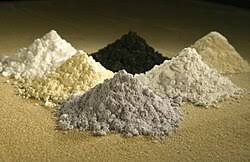
Rare earth elements (REEs) comprise a group of 17 chemically similar elements that include scandium, yttrium, and the 15 lanthanides. These elements are known for their unique properties, such as superconductivity and luminescence, making them indispensable in producing electronics, magnets, batteries, and even catalysts for petrochemicals.
Current Demand and Supply Challenges
Globally, demand for rare earth minerals is driven primarily by technological advancements in electronics and clean energy systems. For instance, electric vehicles (EVs) heavily rely on these elements to manufacture efficient batteries and powerful motors. According to a report by the U.S. Geological Survey, the global market for rare earths is expected to reach $14.7 billion by 2026.
However, supply constraints pose significant challenges. China currently dominates the rare earth market, controlling nearly 60% of global production. This heavy reliance on one country raises concerns about supply chain vulnerabilities, particularly amid rising geopolitical tensions. Diversifying sourcing strategies and investing in recycling technology are critical to mitigate these risks.
Recent Developments in the Rare Earth Sector
In recent months, several countries have ramped up efforts to bolster their own production capabilities. The U.S. has initiated projects to develop domestic supply chains, including recent announcements regarding new mining operations in California and partners collaborating on research to increase recycling of rare earth materials. Additionally, Australia has emerged as a key player, with mining companies like Lynas Corporation expanding operations to face the growing demand in global markets.
Conclusion and Future Outlook
The increasing reliance on rare earth minerals across various industries underscores their importance in shaping the future of technology and sustainable practices. As global initiatives focus on reducing carbon emissions, the need for rare earths will continue to grow. In parallel, advancements in recycling technologies and the development of alternative materials will play a crucial role in sustaining supply while minimizing environmental impacts. For readers and industries alike, staying informed on these trends is essential to navigate the fast-evolving landscape of rare earth minerals.