Introduction
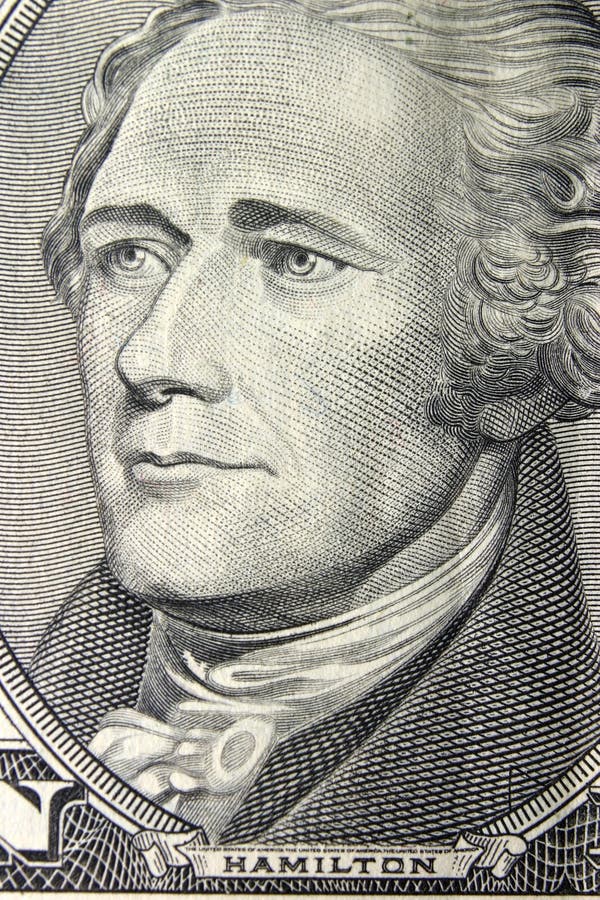
A crucial figure in the American Revolution and the formation of the United States, Alexander Hamilton’s legacy continues to resonate in modern society. As one of the Founding Fathers, his contributions to the nation’s financial system and governance have shaped the trajectory of American history. From his role in drafting the Constitution to his influence on economic policies, understanding Hamilton is essential to comprehending the foundations of the United States.
Key Contributions and Events
Born in 1755 in the Caribbean, Hamilton rose from humble beginnings to become a prominent lawyer and politician. His experiences during the Revolutionary War, where he served as an aide to General George Washington, propelled him into the spotlight. As a staunch advocate for a strong federal government, he helped establish the United States’ financial system through his position as the first Secretary of the Treasury from 1789 to 1795.
Hamilton’s most significant achievements include the establishment of a national bank, the assumption of state debts by the federal government, and the promotion of tariffs to protect burgeoning American industries. These policies laid the groundwork for the modern U.S. economy, fostering stability and growth in the early years of the republic.
His ideological conflict with Thomas Jefferson underscored the emerging political divide in the nation. While Jefferson championed agrarianism and states’ rights, Hamilton’s vision embraced industrialization and centralized power. These contrasts ultimately led to the formation of the Federalist and Democratic-Republican parties, shaping the political landscape of the country.
Modern Relevance and Cultural Impact
Hamilton’s impact is not confined to historical textbooks. In recent years, his life was depicted in the Broadway musical “Hamilton,” which brought renewed attention to his story through a contemporary lens. The show highlights themes of ambition, legacy, and the complexities of American identity, resonating with audiences worldwide.
Beyond theater, discussions about Hamilton’s economic policies are increasingly relevant, especially in debates around federal debt, taxation, and financial responsibility in modern governance. As politicians and economists revisit his approaches amidst challenges like inflation and inequality, Hamilton’s principles remain significant in contemporary policy discussions.
Conclusion
Alexander Hamilton’s legacy as a Founding Father is characterized by his visionary economic strategies and relentless dedication to building a robust nation. His life story is a testament to the American ideal of rising from adversity to influence the future. As debates on economic policy continue, Hamilton’s ideas serve as a valuable framework, underscoring the enduring importance of his contributions to the United States. Understanding his life and work not only enriches our grasp of history but also encourages a critical examination of the principles that guide America today.