Introduction
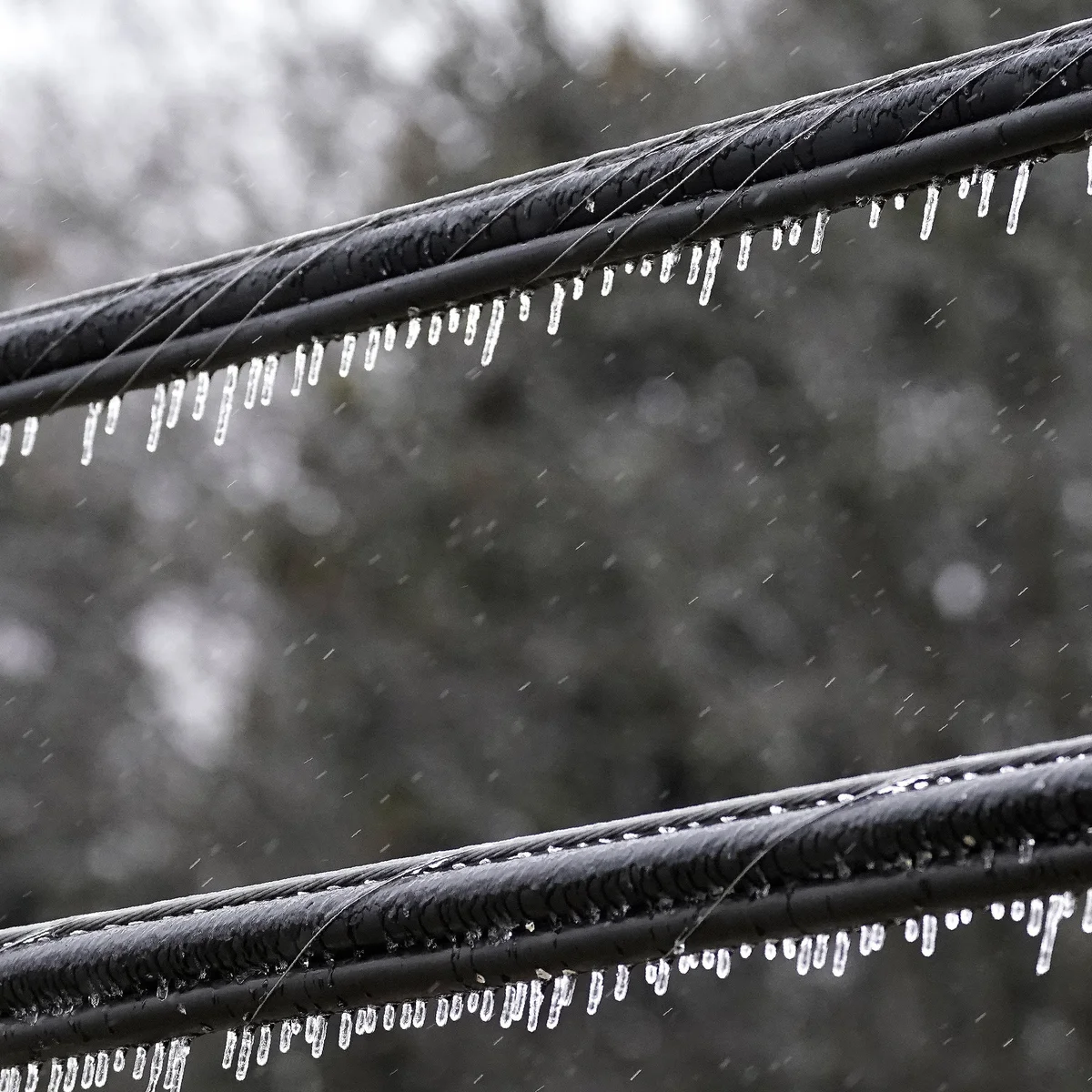
Freezing rain is a significant weather phenomenon that occurs when raindrops fall through a layer of freezing air, turning into ice upon contact with surfaces. This type of precipitation poses severe risks to travel, infrastructure, and safety, resulting in hazardous conditions, especially in winter months. Its understanding is crucial for preparation and minimizing potential damages.
Understanding Freezing Rain
Characterized by its ability to create an ice glaze on roads, vehicles, and tree branches, freezing rain forms when temperatures are above freezing at higher altitudes but colder at ground level. According to the National Weather Service, the ice accumulation can lead to power outages, accidents, and damage to structures. Recent studies suggest that climate change may increase the frequency and intensity of such winter storms, further underscoring the need for comprehensive weather monitoring.
Recent Events
In January 2023, parts of the Midwest and Northeast United States experienced a severe freezing rain event that led to more than 200,000 power outages. The National Weather Service issued warnings ahead of the storm, noting the potential for significant ice accumulation of over half an inch, which can easily bring down trees and power lines. Travelers were strongly advised to avoid unnecessary travel due to treacherous conditions on the roads.
Safety Measures
To mitigate the dangers of freezing rain, local governments and agencies recommend several safety measures. These include staying informed about weather updates, preparing emergency kits with food, water, and medication, and maintaining a safe distance from downed power lines and tree branches. For those who must travel, ensuring vehicles are winter-ready, with proper tires and emergency supplies, is vital in navigating icy conditions.
Conclusion
Freezing rain remains a significant concern during winter months, impacting both daily life and infrastructure. As climate patterns shift, understanding and preparing for such events becomes increasingly important for public safety. Continued research and improved weather prediction models will be essential in mitigating the effects of freezing rain and protecting communities vulnerable to this icy challenge.