Introduction
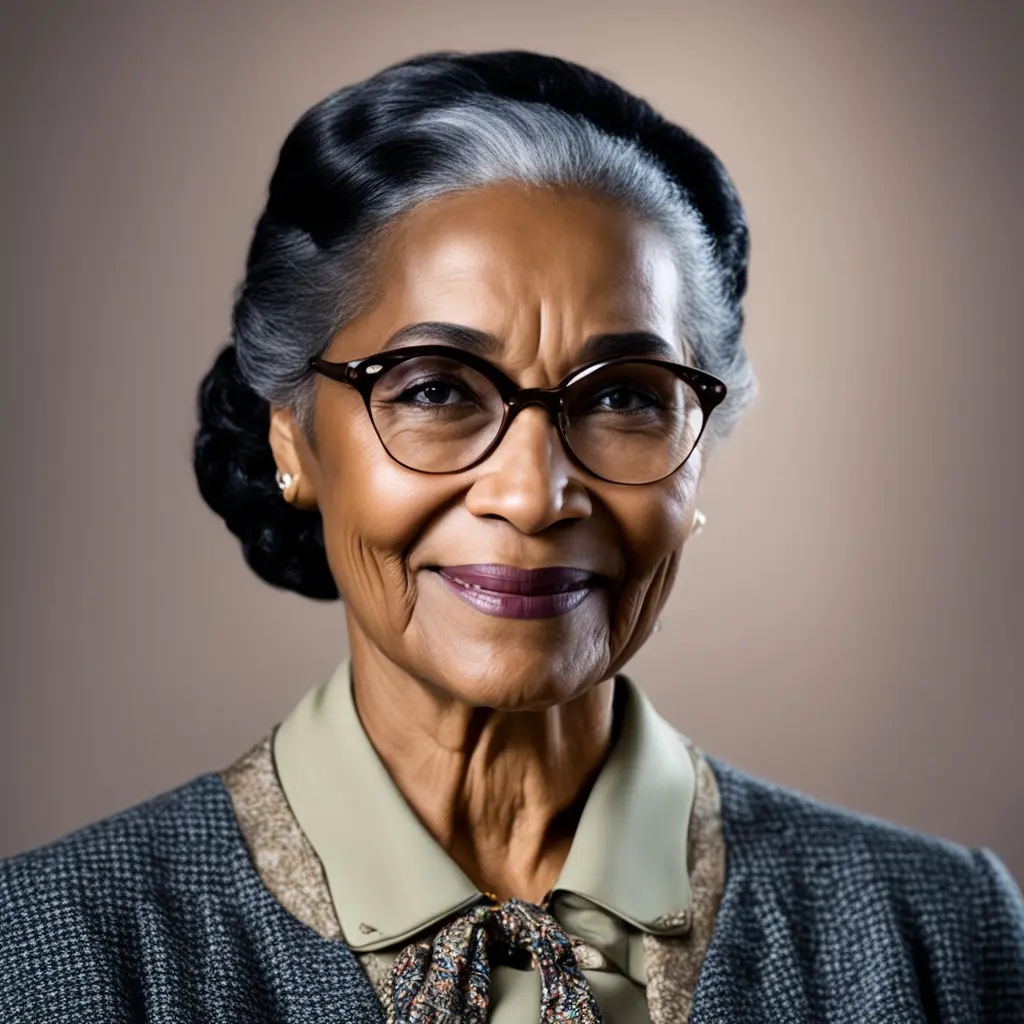
Rosa Parks is often referred to as the ‘mother of the civil rights movement’ due to her brave act of defiance against racial segregation. Her refusal to give up her seat on a segregated bus in Montgomery, Alabama, on December 1, 1955, became a pivotal moment in the struggle for civil rights in the United States. Parks’ actions not only sparked the Montgomery Bus Boycott, which lasted over a year and brought national attention to the civil rights movement, but they also inspired countless individuals to join the fight for equality.
Events Leading to Rosa Parks’ Arrest
On that fateful day in 1955, Parks, who was well-versed in the injustices faced by African Americans, took a stand against the oppressive Jim Crow laws. Her arrest for refusing to vacate her seat for a white man led to the organization of the Montgomery Bus Boycott, spearheaded by local civil rights leaders, including a young Martin Luther King Jr. The boycott successfully halted bus service in Montgomery, establishing a sense of unity and purpose within the African American community.
The Impact of Rosa Parks’ Actions
The subsequent year-long boycott, supported by African Americans refusing to ride the buses, inflicted significant economic pressure on the transit system. This mobilization helped bring about a Supreme Court ruling that declared segregation on public buses unconstitutional. Parks became a symbol of resilience and courage, inspiring many to confront the systemic racism prevalent in society. Her actions were not only significant in Montgomery but also resonated throughout the United States and influenced civil rights activism across the nation.
Legacy of Rosa Parks
Parks’ impact did not end with the boycott. She remained actively involved in the civil rights movement throughout her life, working alongside prominent leaders and advocating for racial equality and social justice. In 1999, she received the Congressional Gold Medal, an honor recognizing her contributions to civil rights. Her legacy also lives on in educational programs, literature, and memorials that celebrate her life and work.
Conclusion
Rosa Parks’ act of courage in 1955 served as a catalyst for the civil rights movement, illustrating how one individual’s bravery could ignite a larger social movement. Her legacy endures as a testament to the struggle for justice and equality, reminding us that the fight against racism and discrimination continues. As we reflect on her contributions today, it is essential to recognize the ongoing relevance of her message in today’s socio-political climate, prompting us to continue the pursuit of justice for all.