Introduction
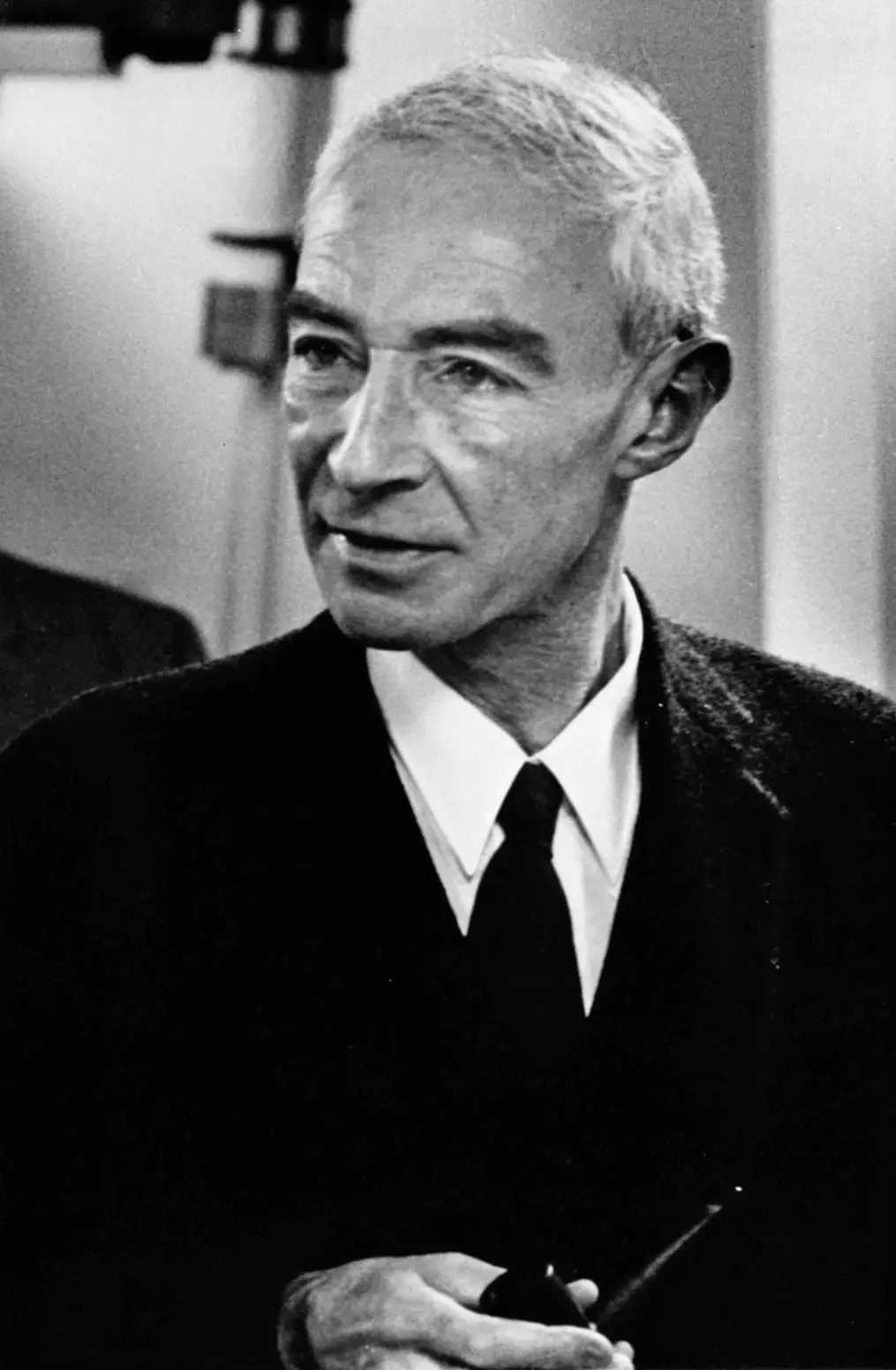
J. Robert Oppenheimer, often referred to as the “father of the atomic bomb,” played a pivotal role during World War II in the development of nuclear weapons as part of the Manhattan Project. His contributions not only changed the course of warfare but also ushered in a new era in scientific research and global politics. Understanding Oppenheimer’s significance offers insights into the ethical, scientific, and military ramifications of nuclear technology that continue to resonate today.
The Manhattan Project
The Manhattan Project was a secretive and monumental initiative led by the United States during World War II to develop atomic weapons. Under Oppenheimer’s leadership, scientists from various disciplines converged at Los Alamos Laboratory in New Mexico to achieve this goal. The successful test of the first atomic bomb, known as “Trinity,” on July 16, 1945, marked a scientific milestone and prompted a re-evaluation of global power dynamics.
Oppenheimer’s Moral Dilemma
Post-war, Oppenheimer experienced profound moral conflict about the implications of his work. Although he was initially celebrated as a war hero, his perspective shifted as he witnessed the devastation of Hiroshima and Nagasaki. In later years, he became an advocate for nuclear arms control, emphasizing the need for ethical considerations in scientific advancement. His famous quote, “Now I am become Death, the destroyer of worlds,” encapsulates his regrets over the bomb’s destructive potential.
Recent Developments and Representation
The renewed interest in Oppenheimer has been bolstered by the recent film directed by Christopher Nolan, released in July 2023. The film highlights his complex character and the repercussions of his scientific endeavors. As a result, audiences worldwide are revisiting the moral and ethical implications of nuclear weapons, sparking critical discussions about scientific responsibility in today’s geopolitical climate.
Conclusion
Oppenheimer’s story serves as a reminder of the dual-edged nature of scientific progress. His legacy encourages contemporary scientists, policymakers, and the public to consider not only the benefits but also the potential dangers of technological advancements. As the world grapples with nuclear proliferation and the ethical challenges of modern science, Oppenheimer’s reflections on the responsibility that accompanies such power remain as relevant as ever. The discourse surrounding his life and work ensures that the lessons learned from history will guide future generations towards a more responsible scientific and geopolitical landscape.