Introduction
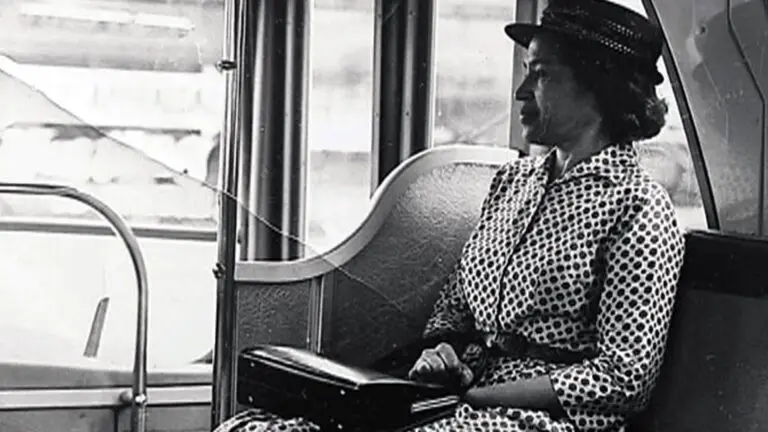
Rosa Parks, often referred to as the “Mother of the Civil Rights Movement,” is an enduring symbol of resistance against racial segregation. Her courageous act on December 1, 1955, when she refused to give up her bus seat to a white passenger in Montgomery, Alabama, ignited a nationwide campaign for civil rights. As America grapples with ongoing social justice issues, Parks’ legacy continues to be relevant, inspiring new generations to advocate for equality.
The Event That Sparked a Movement
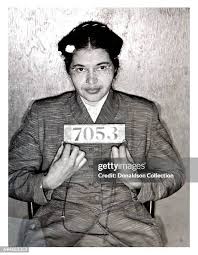
Parks’ defiance was not a spontaneous act; it was the result of years of frustration with the systemic racism that pervaded American society. On that fateful day in December 1955, she was arrested for violating Montgomery’s segregation laws. This ignited the Montgomery Bus Boycott, led by civil rights leaders, including Dr. Martin Luther King Jr. The boycott lasted for 381 days and drew national attention to the plight of African Americans, demonstrating the power of collective action.
Impact and Legacy
Parks’ bravery did not just challenge the public transport system; it also galvanized the civil rights movement as a whole. The boycott resulted in a Supreme Court ruling that deemed segregation on public buses unconstitutional. Beyond the bus boycott, Parks became an icon and a key figure within the NAACP, traveling the country to speak about civil rights. Her image and story represent the struggle for justice, and her name is synonymous with peaceful protest against injustice.
Ongoing Relevance
Today, as movements for racial equality and social justice continue to gain momentum across America and globally, Parks’ contributions resonate more than ever. Her story is a reminder that one act of courage can inspire widespread change. Educational institutions and organizations worldwide commemorate her legacy through events, discussions, and programs that promote civil rights and social justice. This is evident through the establishment of the Rosa Parks Day, celebrated in several U.S. states, ensuring her story remains present in public consciousness.
Conclusion
Rosa Parks’ life and actions laid the groundwork for significant advancements in the quest for civil rights in America. Her legacy serves not only as a celebration of a pivotal moment in history but also as an enduring call to action for new generations. As individuals continue to protest for equality, equity, and justice, Parks’ story equips current and future activists with the resilience and fortitude needed for meaningful change. Connecting with her story may ignite inspiration for those committed to the ongoing fight for civil rights.