Introduction
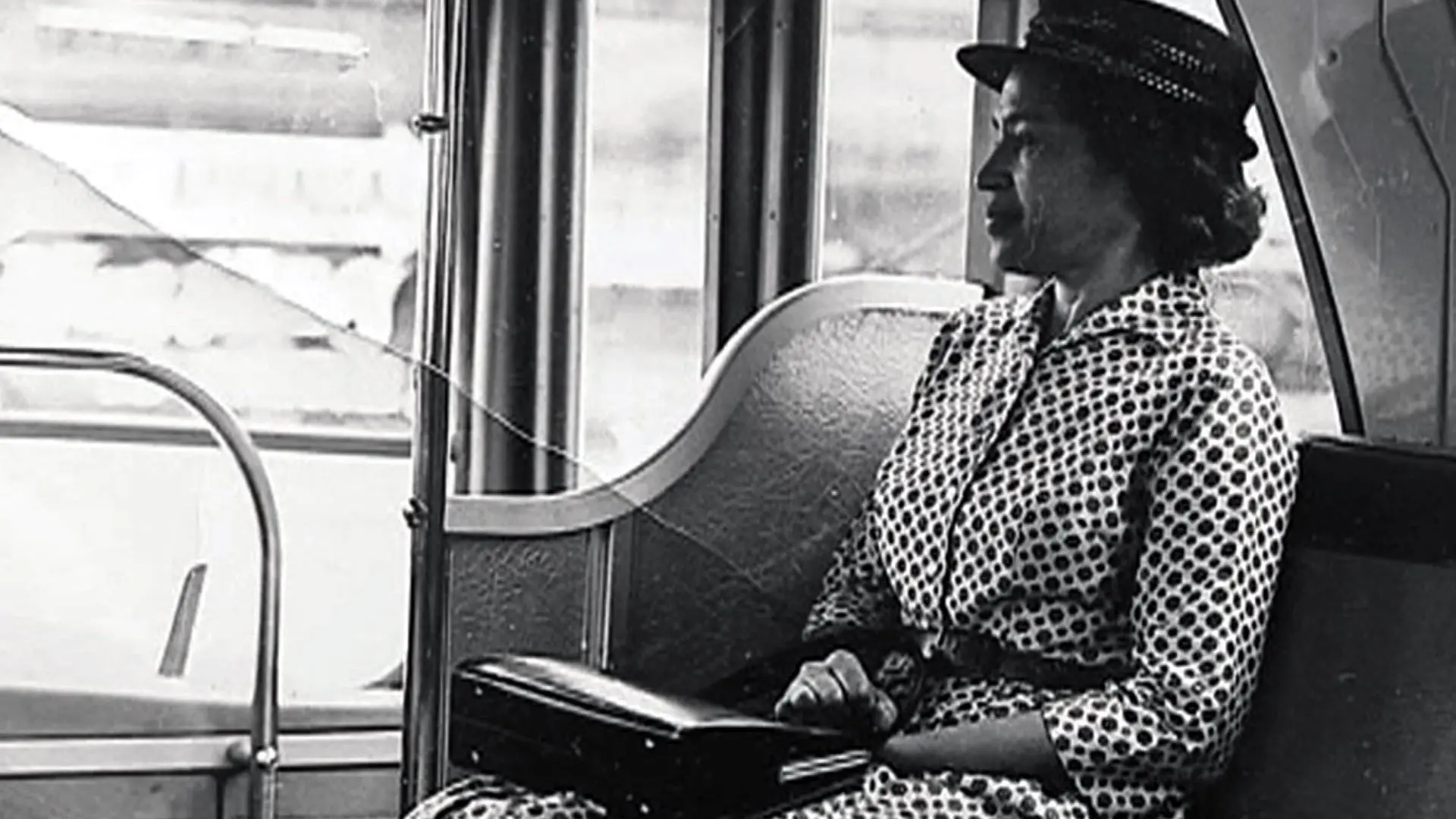
Rosa Parks, often referred to as the “Mother of the Civil Rights Movement”, played a pivotal role in desegregation efforts in the United States. Her refusal to give up her bus seat to a white man on December 1, 1955, in Montgomery, Alabama, sparked a wave of protests and became a symbol of the fight against racial injustice. Parks’ actions and the resulting Montgomery Bus Boycott are considered turning points in the struggle for civil rights.
Events Leading to the Movement
Parks’ stand against the segregation laws was not a spontaneous act of defiance but rather the culmination of years of advocacy and engagement with civil rights organizations. A member of the NAACP, she had long been involved in various actions aimed at improving the conditions of African Americans. Her arrest propelled local civil rights leaders, including Dr. Martin Luther King Jr., to organize the Montgomery Bus Boycott, a 381-day mass protest against the bus system.
The Montgomery Bus Boycott
The boycott began on December 5, 1955, just days after Parks’ arrest, and drew support from a vast coalition of citizens. Nearly 90% of African American bus riders abstained from using the system. This nonviolent protest placed significant economic pressure on the bus company and the city of Montgomery, eventually leading to a Supreme Court ruling declaring bus segregation unconstitutional. The boycott was not only a success in achieving its immediate goals but also set the stage for future civil rights advocacy across the nation.
Parks’ Ongoing Legacy
Rosa Parks continued her fight for civil rights throughout her life, becoming a national icon and continuing to shed light on issues such as poverty and gender inequality. She received numerous accolades for her work, including the NAACP’s Spingarn Medal and the Presidential Medal of Freedom. Her bravery and commitment to justice remain relevant today as movements for equality continue to address systemic racism.
Conclusion
Rosa Parks stands as a testament to the impact that one person’s courage can have on a movement. Her actions were pivotal not only in bringing attention to the struggles of African Americans but also in shaping the direction of civil rights in the United States. As contemporary society grapples with ongoing issues of racial inequality, Parks’ legacy inspires new generations to fight against injustice and pursue equality for all. Her story serves as a reminder of the importance of standing up for one’s rights and the power of collective action.