Importance of Metro Transit Systems
Metro transit systems play a critical role in urban transportation, providing essential services to millions of commuters daily. As cities grow and traffic congestion increases, the development and expansion of metro systems become crucial for sustainable urban growth. In recent years, several metro systems in the United States have seen significant investments aimed at modernization and expansion.
Recent Investments and Expansions
One notable example is the Washington Metropolitan Area Transit Authority (WMATA), which recently unveiled a $1.5 billion budget that focuses on enhancing service reliability and safety. This plan includes upgrading outdated rail infrastructure and implementing advanced signaling technology. Similar initiatives are happening in cities like Los Angeles, where the Metro Board approved a $19.7 billion budget to expand the metro network over the next decade, emphasizing projects like the Regional Connector Transit Project that will link diverse communities and reduce travel times.
Technological Innovations
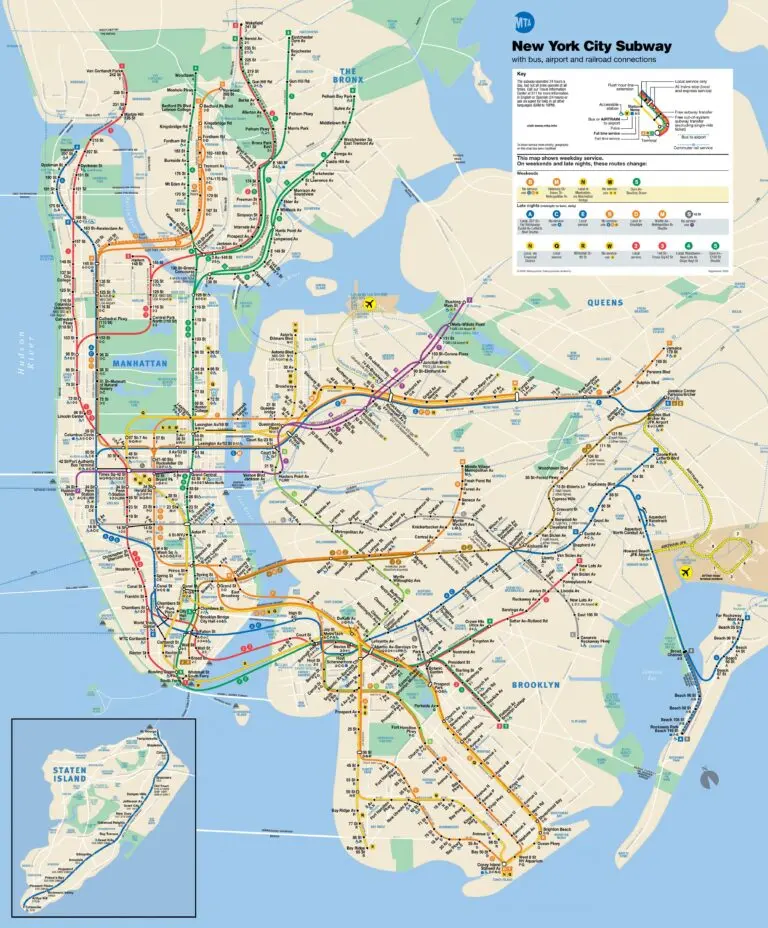
Technological advancements are transforming metro systems. Many cities are adopting contactless payment systems, enabling passengers to use smartphones or credit cards for quick access to services. For instance, New York City’s Metropolitan Transportation Authority (MTA) has rolled out the OMNY system, allowing seamless fare payment across subways, buses, and regional trains. This not only enhances user experience but also streamlines operations.
The Environmental Impact
These developments in metro transit systems are not just about convenience; they also play a crucial role in combating climate change. Increased ridership leads to fewer cars on the road, resulting in lower carbon emissions. A study by the American Public Transportation Association indicates that public transit use can reduce greenhouse gas emissions by 45 million metric tons annually. As cities invest in metro systems, the collective effort can significantly contribute to environmental sustainability.
Conclusion: Looking Forward
As cities across the U.S. invest in their metro systems, the future of urban transportation looks promising. Enhanced services, technological innovations, and environmental considerations are crucial components that will shape the public transit landscape. For commuters, these changes are expected to lead to more efficient, reliable, and eco-friendly transit options. As these projects unfold, monitoring their impact will be important for understanding the ongoing evolution of urban mobility.