“Nowruz is a celebration of life, rebirth and the triumph of light over darkness as winter gives way to spring.” This poignant declaration encapsulates the essence of Nowruz, the Persian New Year, which will be celebrated on March 20, 2026, at 10:46 a.m. ET. With over 300 million people participating in this ancient tradition, Nowruz transcends borders, uniting families and communities around the globe in a shared cultural heritage.
Nowruz, which translates to “new day” in Persian, has been celebrated for more than 3,000 years, rooted deeply in ancient Persian culture and linked to Zoroastrianism. The holiday occurs on the vernal equinox, marking the start of spring and symbolizing renewal and hope. As the world awakens from the dormancy of winter, Nowruz invites individuals to reflect on the past year while embracing the possibilities of the new one.
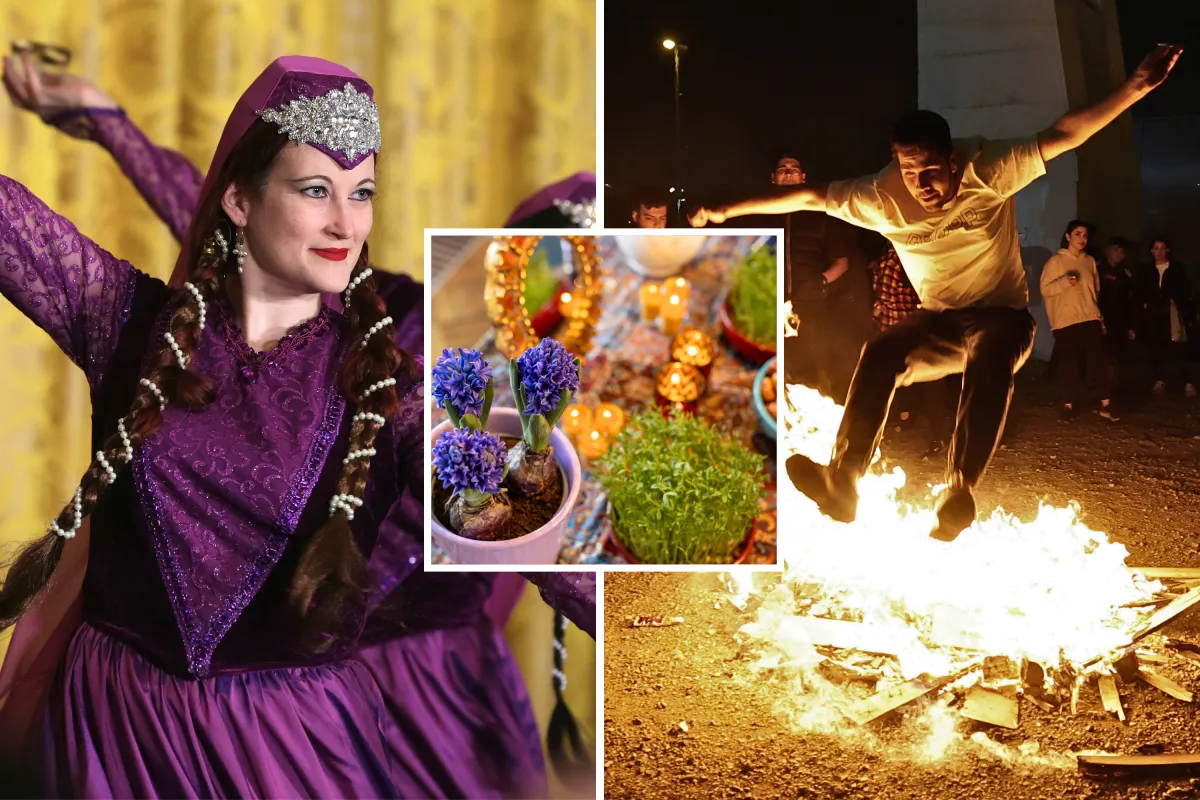
The preparations for Nowruz are as rich and varied as the traditions themselves. Families engage in spring cleaning, a ritual intended to sweep away the negativity of the past year and welcome the new. One of the most cherished customs is the setting of the Haft-Sin table, which includes seven symbolic items starting with the letter ‘S’ in Persian, each representing a different hope for the new year. This table serves as a focal point for family gatherings, where special meals are shared, and gifts are exchanged, particularly for children.
As the festivities approach, the last Tuesday before Nowruz is marked by Chaharshanbe Suri, where communities gather to jump over bonfires, symbolizing the purification and renewal of the spirit. This vibrant celebration not only brings families together but also strengthens community bonds, reinforcing the cultural significance of Nowruz.
What observers say
“The time of the new year in Nowruz tradition is equal to one complete rotation around the sun,” reflects a cultural historian, emphasizing the astronomical significance of the holiday. This cyclical nature of time is central to the celebration, as it aligns with the rhythms of nature and the changing seasons.
As the world prepares for Nowruz 2026, many are hopeful that this year’s “new day” will represent not just the arrival of spring, but also a better future. In a time marked by global challenges, the spirit of Nowruz serves as a reminder of resilience and renewal, encouraging individuals to embrace the possibilities that lie ahead.
The holiday culminates in Sizdah Be-Dar, a picnic celebration held 13 days after Nowruz, where families venture outdoors to enjoy nature and celebrate together. This final act of the Nowruz festivities reinforces the connection to the earth and the importance of community in Persian culture.
Nowruz is recognized by UNESCO and celebrated in various countries beyond Iran, showcasing its universal themes of renewal and hope. As the date approaches, communities worldwide are preparing to engage in these time-honored traditions, ensuring that the legacy of Nowruz continues to thrive for generations to come.