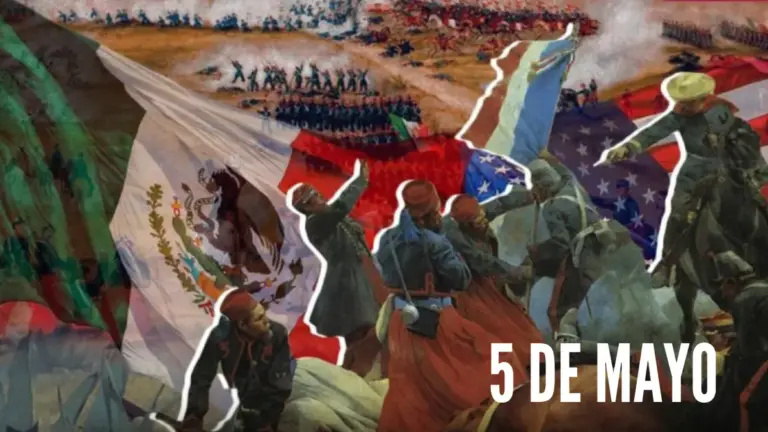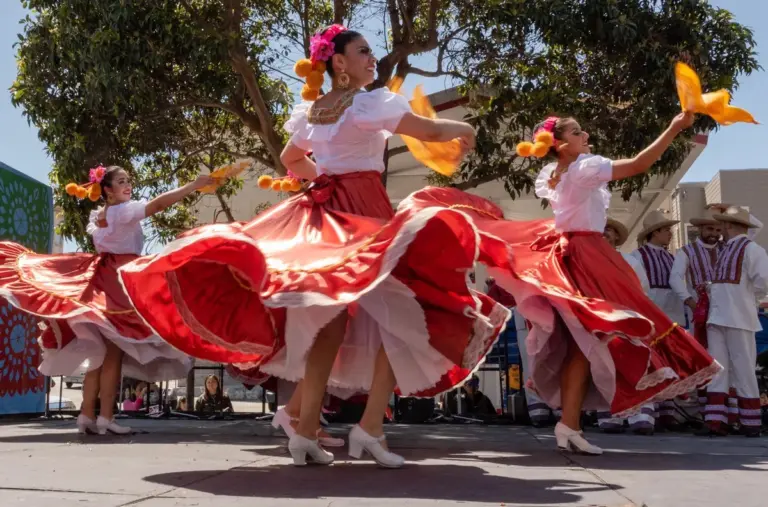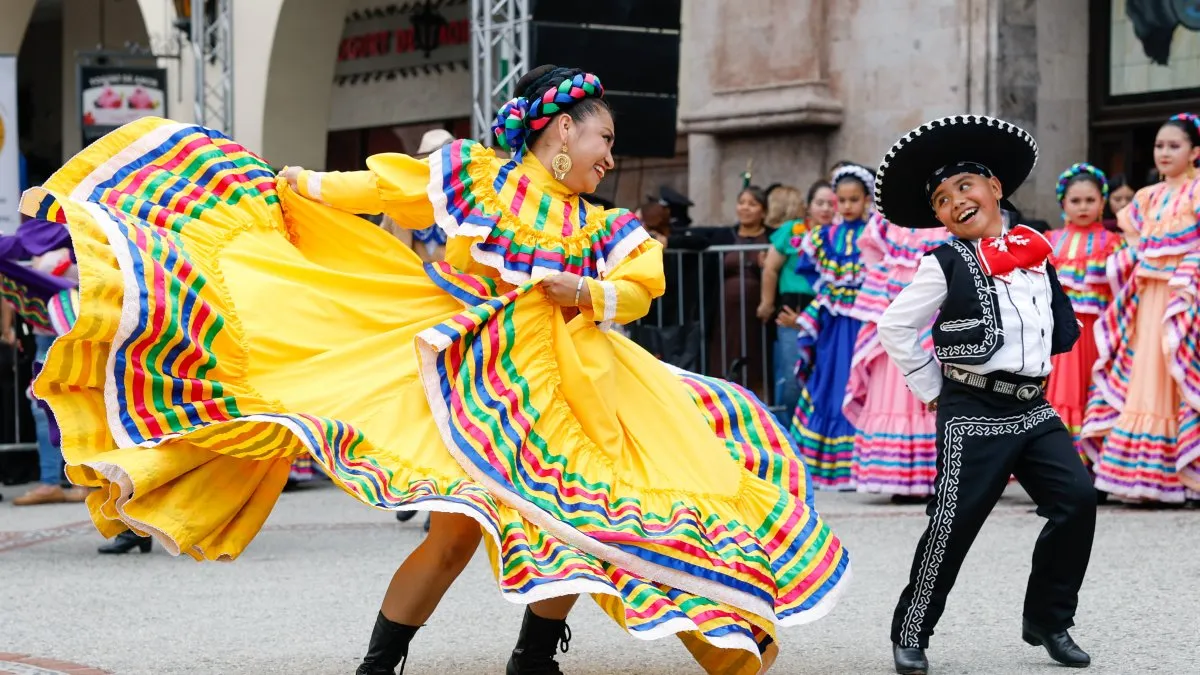
Cinco de Mayo is widely recognized as a celebration of Mexican-American culture, particularly in the United States, where it has gained significant popularity since the late 20th century; however, it commemorates a relatively minor event in Mexico’s history—the Battle of Puebla against French forces on May 5, 1862.
The holiday primarily celebrates Mexico’s victory at Puebla, which symbolized the nation’s ability to defend its sovereignty against foreign invasion. In fact, the first recorded American Cinco de Mayo celebration took place in California in the same year as the battle. According to sources, this event marked the beginning of what would become a long-standing tradition.
Over time, Cinco de Mayo evolved into a broader expression of Mexican-American culture, particularly during the Chicano movement in the 1970s and 1980s. This cultural shift was largely influenced by marketing efforts from beer companies that promoted festivities surrounding the holiday. As a result, celebrations in the United States often feature food, drinks, and cultural gatherings that highlight Mexican heritage.
Key facts about Cinco de Mayo:
- Cinco de Mayo is not Mexico’s Independence Day; that is celebrated on September 16.
- The holiday became popular in the U.S. due to marketing by beer companies during the late 20th century.
- Mole poblano is a traditional dish served during Cinco de Mayo celebrations in Puebla.
Fernando Paloma, who spent nearly three decades living in Mexico before celebrating Cinco de Mayo in the U.S., noted that “in Mexico, it is the contrary; Mexico celebrates more the 15th and 16th of September,” referring to El Grito de Dolores, which marks the start of Mexico’s fight for independence from Spanish rule.
Yet observers often regard Cinco de Mayo as an important marker of cultural identity for many Mexican Americans. Rick Stepp remarked that “Cinco de Mayo is probably the most misunderstood holiday in North America,” underscoring how its significance varies between cultures. The holiday’s prominence north of the border often overshadows its relative obscurity in Mexico itself.
As celebrations continue to grow each year—particularly among Mexican-American communities—many anticipate that this trend will persist into future generations. The next major celebration will occur on May 5, 2026, when both sides of the border may once again reflect on their unique interpretations of this historical event.