NASA’s Curiosity rover has discovered a record number of complex organic molecules on Mars, totaling 21 different molecules, raising hopes for past life on the planet. The findings suggest that Mars retained complex carbon material inside rocks for billions of years, particularly in a sample taken from Gale Crater, which formed about 3.5 billion years ago when the area likely contained water.
The analysis utilized a solvent called tetramethylammonium hydroxide (TMAH) in methanol, enabling the identification of seven never-before-seen molecules, including a nitrogen heterocycle. These developments mark significant progress in the ongoing quest to understand whether life ever existed on Mars.
This discovery aligns with NASA’s broader initiatives in Mars exploration, which have included various missions aimed at uncovering the planet’s geological and chemical history. The Curiosity mission has been actively searching for organic compounds since its launch, and this latest finding expands the catalog of known molecules.
Key findings:
- The Curiosity rover found 21 different organic molecules on Mars.
- The sampled rock from Gale Crater formed approximately 3.5 billion years ago.
- Seven new molecules were discovered, including a nitrogen heterocycle.
Amy Williams, a member of the Curiosity team, stated, “Our discovery not only expands the catalog of known molecules but tells us that some of the building blocks for life as we know it on Earth were also present on Mars in the ancient past.” This perspective could significantly influence future missions and research focused on astrobiology.
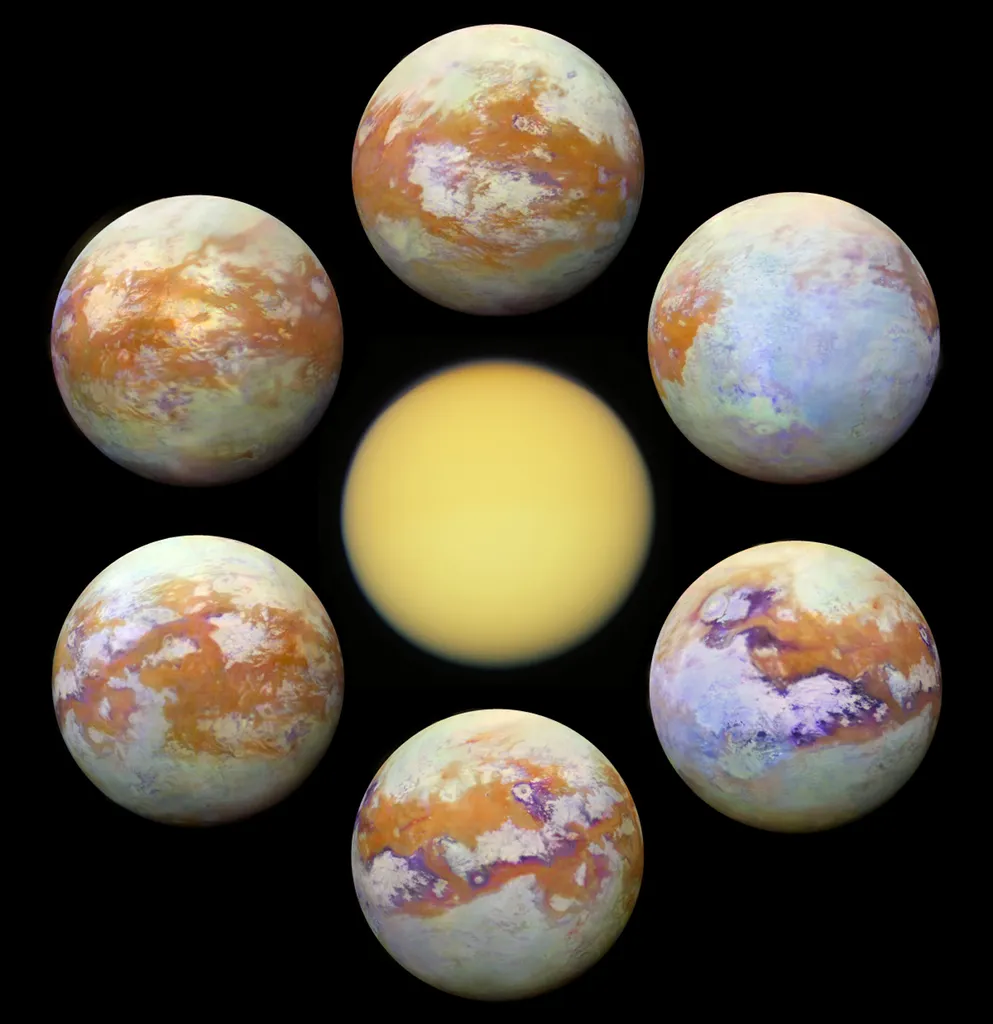
In related news, NASA is preparing for its rotorcraft mission to Titan, scheduled to launch no earlier than July 2028. Additionally, NASA recently achieved a milestone in electric propulsion technology by firing up a next-generation electric thruster at its Jet Propulsion Lab. This thruster generated power levels exceeding any previous test in the United States—120 kilowatts—by electromagnetically accelerating lithium plasma.
Jared Isaacman remarked on this advancement by saying, “The successful performance of our thruster in this test demonstrates real progress toward sending an American astronaut to set foot on the Red Planet.” Such developments underscore NASA’s commitment to advancing space exploration technologies while expanding our understanding of other celestial bodies.