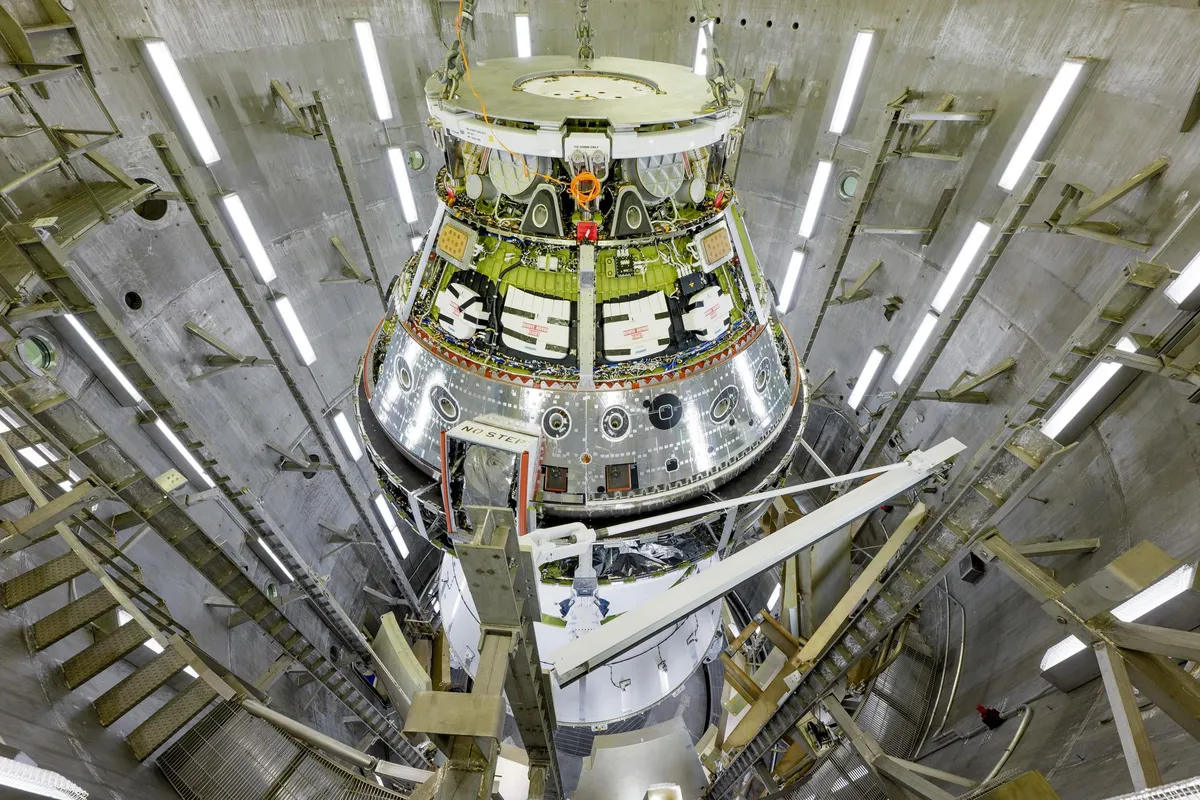
Before the recent developments surrounding the NASA Artemis II heat shield, expectations were cautiously optimistic—following the challenges faced during Artemis I, where unexpected damage raised concerns about the technology’s robustness. The heat shield, crucial for protecting the Orion spacecraft and its crew during the intense conditions of re-entry, was manufactured using the same materials and methods as its predecessor.
However, on April 10, 2026, following Artemis II’s successful splashdown in the Pacific Ocean, initial inspections revealed that the heat shield had performed as expected, with no unusual conditions identified. This marked a decisive moment for NASA and its ongoing lunar exploration efforts.
Documents show that the char loss behavior observed on Artemis I was significantly reduced in Artemis II—both in terms of quantity and size—suggesting improvements in design or execution. NASA adjusted the re-entry trajectory to minimize heat build-up, which likely contributed to this enhanced performance.
The Orion spacecraft splashed down only 2.9 miles from its targeted landing site, an achievement that underscores meticulous planning and execution. Navy divers photographed the heat shield shortly after splashdown, providing visual evidence of its condition post-re-entry.
According to sources within NASA, “Initial inspections of the system found it performed as expected, with no unusual conditions identified.” This statement reflects a notable shift from previous assessments where damage was a concern.
Yet, challenges remain; while the heat shield showed resilience, other systems aboard Artemis II experienced issues. For instance, complications arose with the space toilet’s life support system during the flight—a reminder that even amid successes, hurdles persist.
Experts emphasize that while this progress is encouraging for upcoming missions—such as Artemis III set for 2027 and Artemis IV planned for 2028—each mission provides critical data that informs future designs and operational protocols.
The heat shield is covered with special AVCOAT tiles designed to absorb impact heat; during re-entry, temperatures around the capsule can reach thousands of degrees Celsius. This material choice reflects a deliberate strategy to enhance safety for astronauts on board.
As NASA prepares to transport the heat shield to the Marshall Space Flight Center for further examination, insights gained will be invaluable not only for subsequent Artemis missions but also for broader human spaceflight initiatives.
In summary, while details remain unconfirmed regarding long-term implications of these findings on future missions, initial results suggest a promising trajectory for NASA’s lunar ambitions.