Introduction
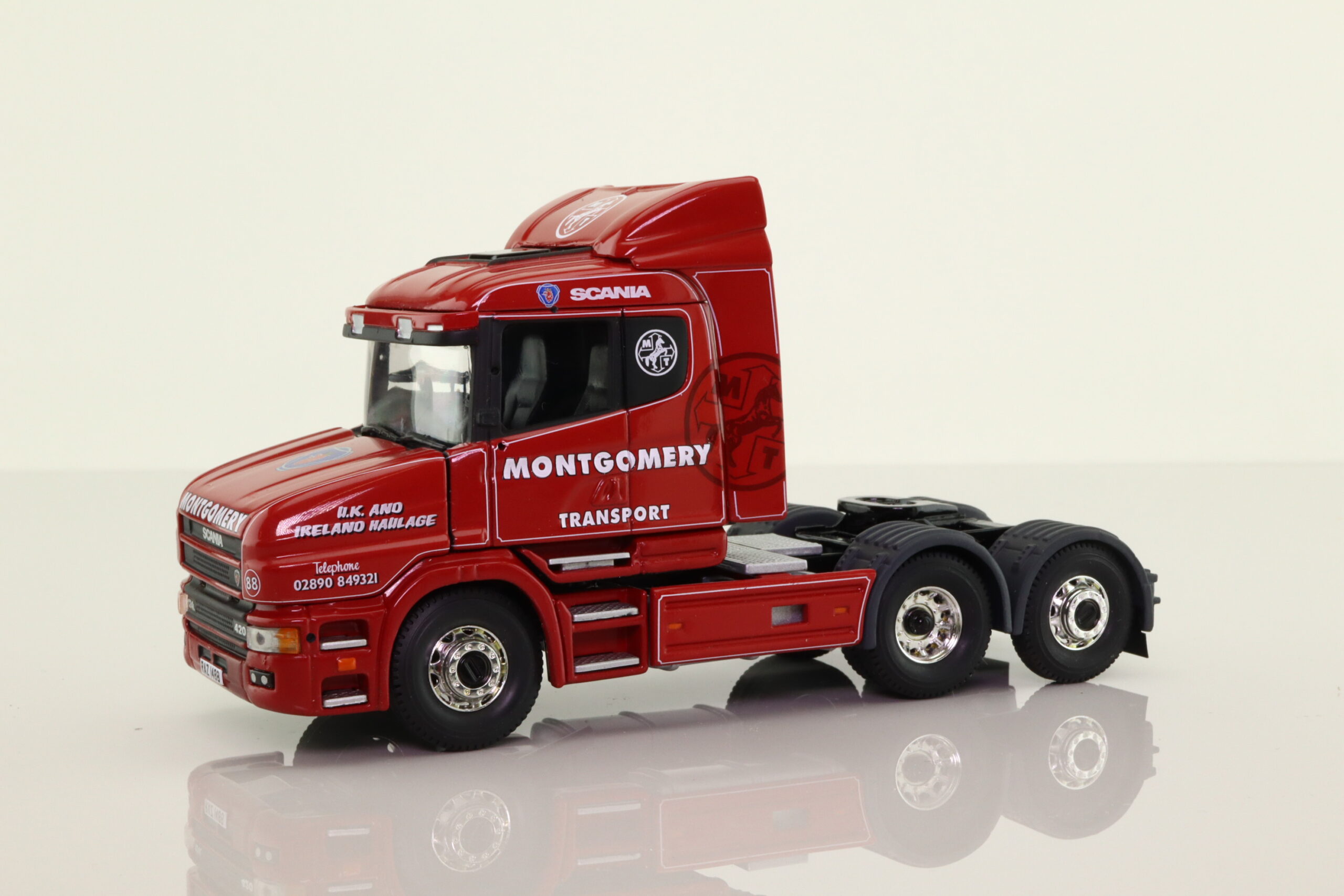
Montgomery Transport has emerged as a pivotal player in the freight transportation industry, renowned for its commitment to efficiency and sustainability. As the logistics landscape continues to evolve amid growing demand for freight services, Montgomery Transport’s innovative practices and robust infrastructure highlight the company’s relevance in today’s economy. The focus on environmentally responsible operations positions it at the forefront of industry standards.
Current Operations and Developments
With headquarters in Montgomery, Alabama, Montgomery Transport specializes in flatbed trucking services, providing dedicated freight solutions across the Southeastern United States and beyond. Recently, the company announced a significant fleet expansion initiative aimed at enhancing capacity and improving delivery timelines. This move aligns with the rising demand for expedited shipping solutions, particularly as e-commerce continues to flourish.
Furthermore, Montgomery Transport has implemented advanced logistics technology, incorporating automated tracking and route optimization software to enhance efficiency and transparency. According to industry reports, the company has seen a 15% increase in operational efficiency following the adoption of these technologies. This not only benefits their bottom line but also fosters higher customer satisfaction levels as clients can track their shipments in real time.
Commitment to Sustainability
One of the standout features of Montgomery Transport is its dedication to sustainable practices. The company has invested in a fleet of more fuel-efficient vehicles, which significantly reduces greenhouse gas emissions per mile. In 2023 alone, Montgomery Transport reported a 20% reduction in fuel consumption, a metric that reflects their strategic focus on environmental stewardship.
Additionally, the company has taken steps to reduce its carbon footprint by implementing recycling programs in its operations and investing in eco-friendly office practices. These initiatives not only help in meeting regulatory standards but also resonate with a growing consumer preference for environmentally conscious companies.
Conclusion
As Montgomery Transport continues to expand its operations and innovate within the freight sector, the company stands as a model for effective logistics practices that prioritize sustainability. With the ongoing challenges in supply chain management and transportation logistics, Montgomery Transport’s forward-thinking strategies are likely to serve as a benchmark for others in the industry. Future forecasts indicate that companies like Montgomery Transport will play an essential role in shaping the future of freight logistics, especially as innovation and sustainability remain at the forefront of consumer and regulatory demands.