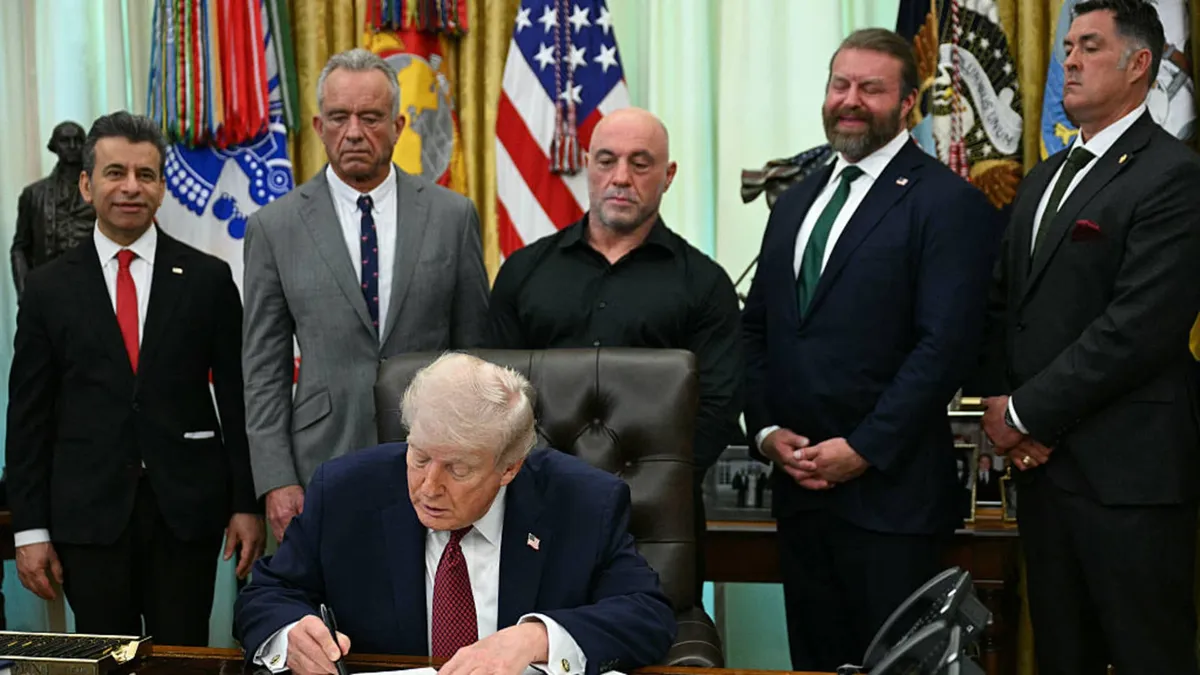
In a significant development for the field of psychedelic medicine, President Donald Trump signed an executive order on April 18, 2026, aimed at expediting the review processes for certain psychedelic substances, including ibogaine. This decision, made in the Oval Office, comes at a time when interest in alternative treatments for conditions such as PTSD and opioid addiction is gaining momentum among both lawmakers and veterans. The executive order is seen as a response to the growing advocacy for ibogaine’s therapeutic potential, particularly within veteran organizations.
Ibogaine, derived from a shrub indigenous to West Africa, has been utilized in various countries to aid individuals undergoing opioid withdrawal. Despite its potential benefits, it remains classified under the federal government’s most restrictive category of illegal drugs due to safety concerns. Medical literature indicates that ibogaine has been linked to over thirty deaths, primarily attributed to its capacity to induce irregular heart rhythms. Therefore, while its use has garnered support from notable figures—such as Joe Rogan and Marcus Luttrell—its safety profile continues to raise questions.
The executive order not only seeks to accelerate reviews but also introduces national priority vouchers through the FDA for three psychedelics. This mechanism could facilitate faster approvals if aligned with national health priorities. Yet, details remain unconfirmed regarding how this will specifically impact ibogaine clinics across the country.
Veterans have been particularly vocal about ibogaine’s potential benefits. A recent study indicated that individuals treated with ibogaine showed marked improvements in symptoms associated with traumatic brain injury and PTSD. Additionally, Texas allocated $50 million last year for research focused on ibogaine—a notable investment that reflects a shift toward exploring alternative therapies for mental health issues.
While clinics administering ibogaine treatment typically ensure that patients are closely monitored during their sessions—often equipped with emergency medical equipment—the path forward remains fraught with uncertainties. The National Institutes of Health previously funded research on ibogaine in the 1990s but halted it due to concerns about cardiovascular toxicity.
As advocates continue to push for wider acceptance of ibogaine as a legitimate treatment option, the current landscape is marked by both hope and caution. The executive order aims to address debilitating symptoms experienced by many—something Trump emphasized when he stated that this move might allow individuals suffering from these conditions a chance to reclaim their lives.
Despite the enthusiasm surrounding this development, it is crucial to recognize that ibogaine has not yet received FDA approval for therapeutic use within the United States. Clinics report treating approximately two thousand people last year at facilities like Beond Ibogaine, where costs can range between fifteen thousand and twenty thousand dollars per person. This financial barrier may limit access for many who could benefit from such treatments.
In summary, while the executive order represents a pivotal step toward acknowledging the therapeutic potential of ibogaine, significant challenges remain ahead. The full implications of this decision will unfold over time as stakeholders navigate regulatory frameworks and address safety concerns associated with its use.