The Importance of Tall Buildings
The skyline of any city is often defined by its tallest buildings, which serve as symbols of economic power, innovation, and architectural prowess. Understanding the evolution of the world’s tallest buildings offers insight into urban growth and technological advancements. As of 2023, skyscrapers are not just structures; they are iconic representations of their cities.
Current Tallest Buildings
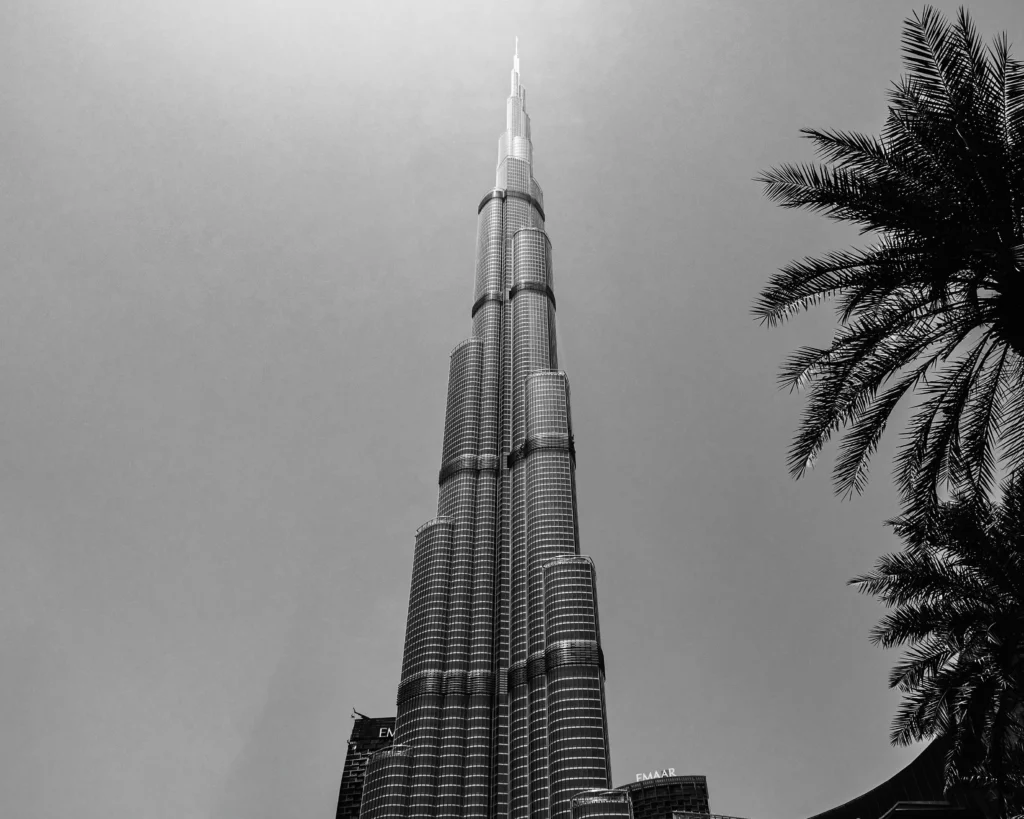
The title of the world’s tallest building is held by the Burj Khalifa in Dubai, UAE, standing at a staggering height of 828 meters (2,717 feet). Completed in 2010, the Burj has 163 floors and features a mix of residential, office, and hotel space, underlining the multifunctional aspect of modern skyscrapers.
Following closely is the Shanghai Tower in China, which measures 632 meters (2,073 feet) with 128 floors. Completed in 2015, this building showcases the latest in sustainable technologies while providing stunning views of the bustling metropolis.
The third tallest, the Abraj Al Bait Clock Tower in Mecca, Saudi Arabia, reaches 601 meters (1,971 feet). Aside from being a hotel, it also houses a shopping mall and prayer area, adding to its significance as a center for pilgrimage during Hajj.
Architectural Trends and Sustainability
As cities around the globe expand, the trend toward constructing taller buildings continues. Architects are now focusing not only on height but also on sustainability and functionality. Buildings like the Bosco Verticale in Milan have integrated green spaces, enhancing urban living.
Impact on Economies and Cities
Tall buildings contribute significantly to local economies by attracting tourism, businesses, and investment. Land that would have been less valuable can become prime real estate when paired with a skyscraper, maximizing the use of space in densely populated urban areas. This has sparked a construction boom in cities around the world, with several projects underway to erect future record-breaking towers.
Looking Ahead
The future of skyscrapers promises to be even more innovative, with proposals for buildings exceeding 1,000 meters. Trends in materials and construction technologies, such as carbon fiber and 3D printing, could potentially change the skyline as we know it.
Conclusion
In conclusion, the tallest buildings in the world represent not only architectural ambitions but also the socio-economic ladder of the cities they occupy. As urbanization continues to rise, we can expect to see new heights in both structure and innovation, capturing the aspirations of future generations.