Introduction
The realm of skyscrapers has been a testament to human innovation and creativity, pushing the boundaries of architecture and engineering. As of 2023, the race to build the world’s tallest buildings continues to inspire architects and urban planners while shaping city skylines across the globe. Understanding these towering structures is crucial as they represent not only technological advancement but also the cultural and economic ambitions of cities around the world.
Current Record Holders
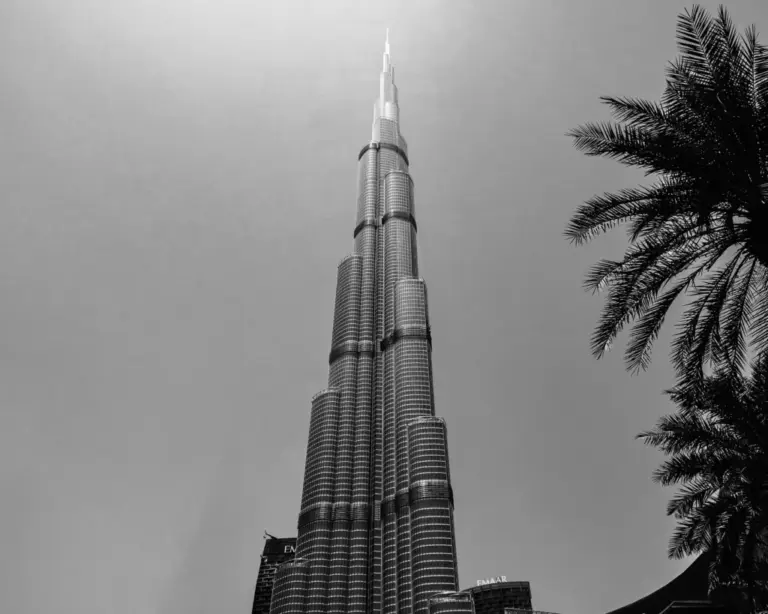
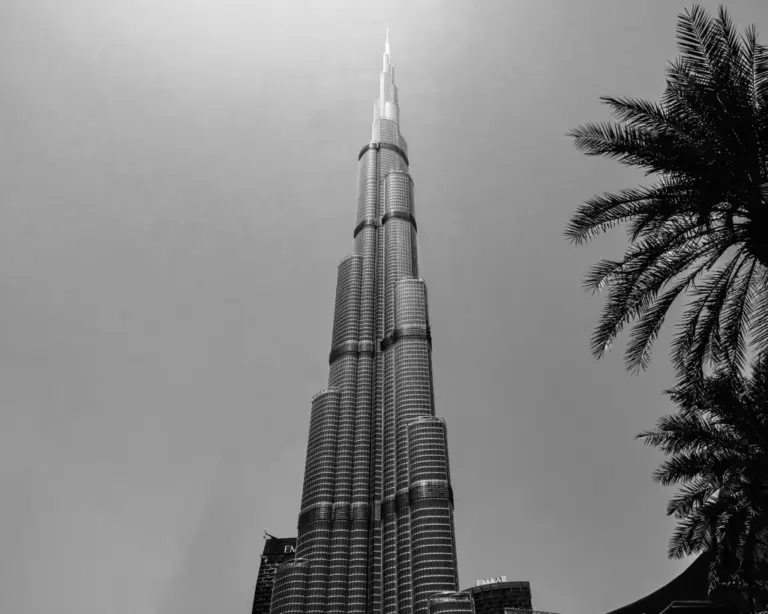
As of October 2023, the Burj Khalifa in Dubai, UAE, retains its status as the tallest building in the world, standing at an impressive height of 828 meters (2,717 feet). Completed in 2010, this architectural marvel features 163 floors and offers breathtaking views from its observation deck. The second tallest building, Shanghai Tower in China, reaches 632 meters (2,073 feet) and is known for its unique twisting design, completed in 2014.
Emerging Competitors
Several ambitious projects are in the works, aiming to dethrone these giants. The Jeddah Tower in Saudi Arabia is projected to reach 1,000 meters (3,281 feet) and is expected to be completed in 2024. This iconic structure is designed to embody the vision of a new era for the city of Jeddah, symbolizing technological prowess and modernity. Additionally, the Wuhan Greenland Center in China, slated for completion in the near future, is designed to soar up to 636 meters (2,087 feet).
Impact of Tall Buildings
The rise of skyscrapers significantly influences urban development and the economy. These constructions often spur tourism, draw businesses, and enhance real estate values in their vicinity. The presence of tall buildings often symbolizes a city’s growth and modernization, instilling a sense of pride among residents. Cities like New York, Dubai, and Shanghai have become cultural icons, with their skyline marvels attracting millions of visitors each year.
Conclusion
The evolution of the world’s tallest buildings reflects both our technological capabilities and our aspirations. As we approach 2024, the introduction of newer and taller structures promises to redefine not only city skylines but also the way we live and interact in urban spaces. Observers anticipate that as construction techniques advance and architectural visions expand, the next decade will bring forth buildings that will push beyond current limitations, ultimately changing our understanding of height and human ingenuity.