Introduction
The topic of gas prices is critical for both consumers and the economy, affecting everything from household budgets to global markets. Fluctuations in gas prices can significantly impact inflation rates, transportation costs, and consumer behavior, making it essential to stay informed about current trends and factors influencing these prices.
Current Gas Price Trends
As of late October 2023, gas prices in the United States have seen a notable increase, driven primarily by rising crude oil prices, supply chain disruptions, and geopolitical tensions. According to the American Automobile Association (AAA), the national average for regular unleaded gasoline reached $3.70 per gallon, up from $3.40 just three months prior. This uptick has been attributed to OPEC+ production cuts and increased demand as travel ramps up after the pandemic.
Factors Influencing Gas Prices
Several factors impact gas prices, including:
- Crude Oil Prices: The largest component of gasoline cost is crude oil, whose prices are subject to global supply and demand dynamics.
- Supply Chain Issues: Regional disruptions, such as storms affecting refineries or pipelines, can lead to temporary price spikes.
- Geopolitical Events: Tensions in oil-rich areas can cause uncertainty in the market, affecting prices globally.
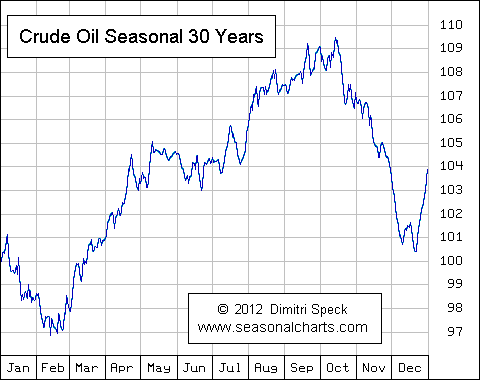
- Seasonal Changes: Prices often rise during peak travel seasons, such as summer vacations.
Impact on Consumers and the Economy
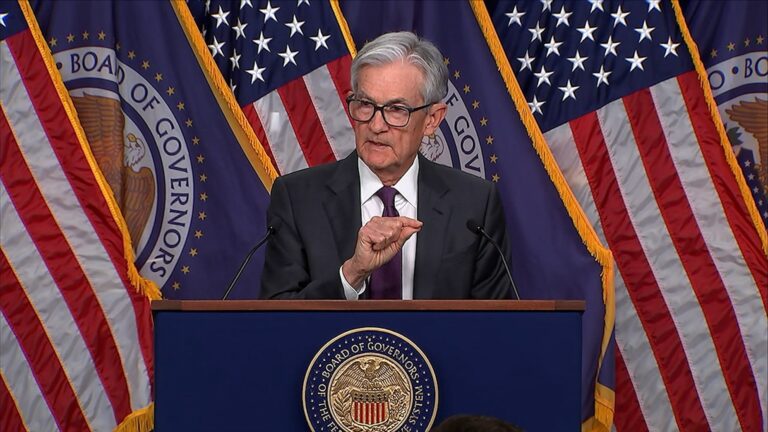
Rising gas prices have a direct effect on consumers, leading to increased costs for commuting, food delivery, and transportation of goods. As transportation costs rise, businesses may pass these expenses onto consumers, contributing to overall inflation. The Federal Reserve has noted the impact of energy prices on consumer spending, which plays a critical role in economic growth.
In addition, local economies that are heavily reliant on tourism might feel the pinch as travelers may choose to cut back on spending due to higher fuel costs. The outlook remains uncertain, as analysts predict that gas prices could fluctuate further based on potential market changes and seasonal demand shifts.
Conclusion
Understanding gas prices and their underlying factors is crucial for consumers and policymakers alike. While current trends show an uptick, forecasting remains complicated due to various influences at play. Consumers should prepare for continued volatility in gas prices, which may shape their spending habits and influence broader economic trends. Awareness of these developments can empower individuals to make informed decisions regarding travel and transportation in an ever-evolving economic landscape.