Introduction
The fluctuation of oil prices is a critical economic indicator that affects multiple sectors globally. Recent trends have shown a significant increase in oil prices, raising questions about the impacts on economies, consumer spending, and energy policy. As the world continues to recover from the pandemic and geopolitical tensions persist, understanding the dynamics influencing oil prices is more crucial than ever.
Current Trends in Oil Prices
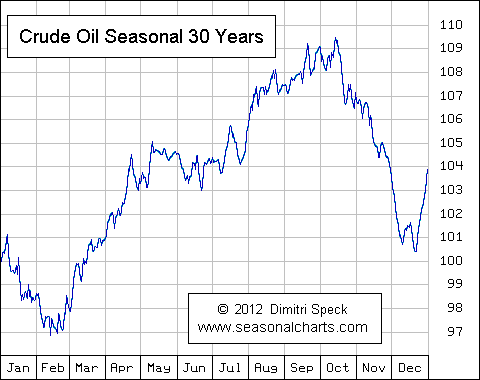
As of October 2023, Brent crude oil prices have surged to approximately $92 per barrel, marking a notable increase compared to earlier this year when prices hovered around $80. The Energy Information Administration (EIA) attributes this rise to multiple factors, including production cuts by OPEC+, increased global demand, and ongoing geopolitical instability, particularly related to tensions involving major oil-producing nations.
Factors Driving Oil Price Increases
Several key factors are contributing to the recent rise in oil prices. Firstly, OPEC+ members, including Saudi Arabia and Russia, have implemented strategic production cuts to stabilize and boost prices. Analysts suggest that these cuts could continue well into 2024 if global oil demand persists. Secondly, the rebound in demand as countries emerge from COVID-19 restrictions has triggered higher consumption rates, particularly in developing economies where transportation and industrial sectors are rapidly recovering.
Another contributing factor is the ongoing war in Ukraine, which has disrupted oil exports from Russia and heightened concerns about energy security in Europe. The EU’s embargo on Russian oil has forced Europe to seek alternative suppliers, further tightening the global supply chain.
Impact on Consumers and Businesses
The rise in oil prices is expected to reverberate throughout the global economy. For consumers, this likely translates to higher gasoline prices, affecting commuting costs and overall transportation expenses. The American Automobile Association (AAA) reported that the national average price for gasoline has already surpassed $4 per gallon, prompting concerns about inflation. Additionally, businesses that rely heavily on oil for transportation and production are facing increased operational costs, which may lead to higher prices for goods and services.
Future Outlook
Looking ahead, experts predict that oil prices may stabilize but remain volatile due to underlying geopolitical tensions and economic uncertainties. While production adjustments by OPEC+ may help control prices, the interplay with global demand and unforeseen events will significantly shape the oil market. Consumers and businesses must remain vigilant as these dynamics could create further economic challenges in the months to come.
Conclusion
In conclusion, the current surge in oil prices highlights the intricate relationship between global supply chains and geopolitical realities. As we navigate through these times of uncertainty, the implications of oil price fluctuations will affect consumers, businesses, and policymakers. Monitoring these trends will be essential for understanding their broader economic significance.