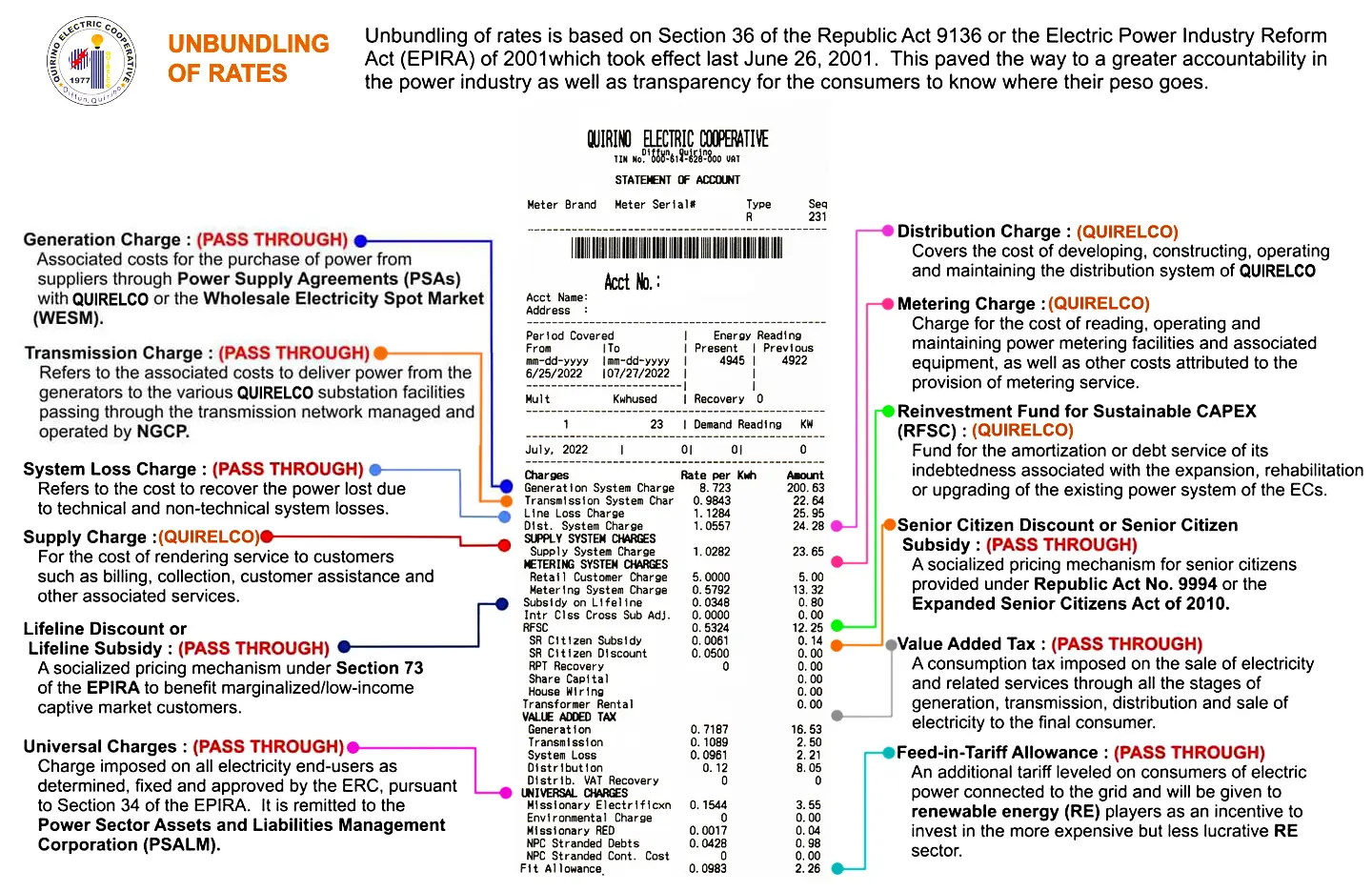
Introduction to Energy Rates
Energy rates are the prices consumers pay for electricity and gas, and they play a crucial role in household budgets and economic stability. As global energy demand rises and climate policies evolve, understanding these rates has never been more important. In 2023, energy rates are under scrutiny, as various factors influence their fluctuation.
Current Trends Influencing Energy Rates
In the first quarter of 2023, energy rates surged due to several interconnected factors. One significant contributor is the ongoing geopolitical tensions affecting oil and gas supplies globally. For instance, European countries have faced challenges in securing stable gas supplies following sanctions on major energy exporters.
Moreover, the United States has seen an uptick in energy rates as the transition to renewable energy sources continues. The shift involves high upfront costs for infrastructure developments, which are gradually passed on to consumers. According to the U.S. Energy Information Administration (EIA), average residential electricity rates increased by about 4% in early 2023 compared to the previous year.
Regional Variations and Future Outlook
Energy rates vary widely across different states and regions in the U.S. Factors such as local energy sources, demand fluctuations, and state regulations significantly impact these differences. For example, states relying more on coal-fired plants have been experiencing higher rates due to stricter emissions regulations reinforcing a shift towards greener options.
Looking ahead, experts predict a continued volatility in energy prices for the remainder of 2023. Analysts suggest that as renewables take a larger share of the energy mix, rates may stabilize in the long term, but short-term shifts could still pose challenges for consumers.
Conclusion
Understanding energy rates is essential for consumers as they navigate the financial implications of rising costs. The ongoing transformations in energy production and global markets are likely to maintain pressure on rates in the near future. Keeping informed about these trends and preparing for potential fluctuations can help households better manage their energy expenses in 2023 and beyond.