The Importance of Electricity Rates
Electricity rates are a critical aspect of both household and business budgets, influencing spending and economic decisions. With the rapid shifts in energy sources and market demand, understanding electricity rates has never been more essential.
Current Trends in Electricity Rates
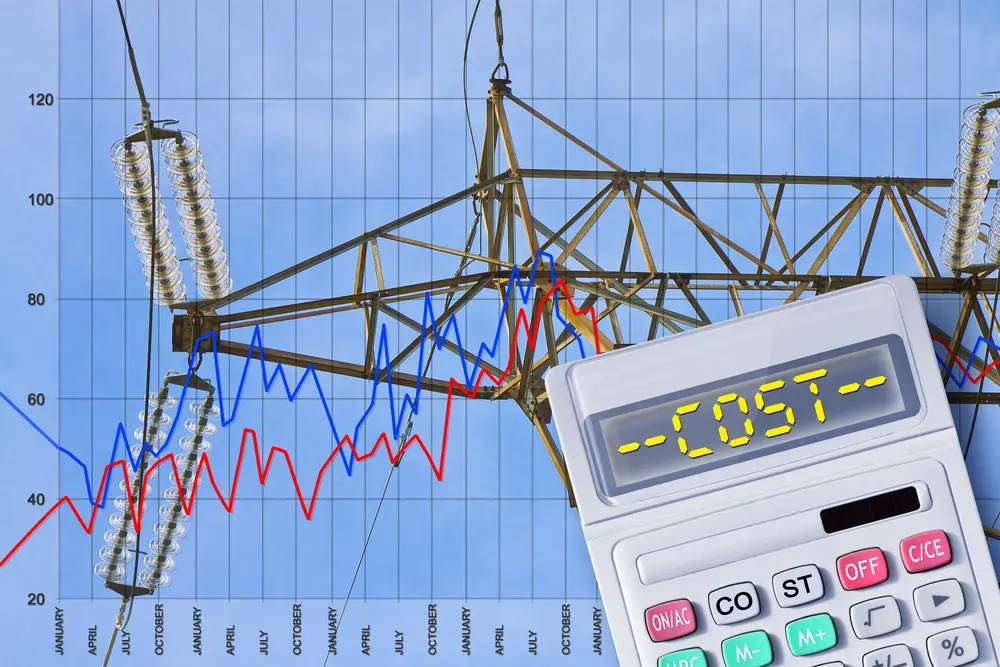
As of late 2023, electricity rates across the United States are experiencing notable fluctuations, largely due to a combination of rising demand, changes in fuel prices, and significant investments in renewable energy sources. Reports indicate that electricity rates have increased by an average of 6% compared to the previous year, a trend affecting metropolitan and rural areas alike.
Factors contributing to this rise include an increase in natural gas prices, which serve as a primary energy source for many power plants. Analysts predict that continued volatility in global energy markets could further exacerbate rate increases in the coming quarters. A recent study by the U.S. Energy Information Administration (EIA) highlights that regions heavily dependent on natural gas are likely to see the most significant jumps in electricity costs.
Legislative Impact and Renewable Energy
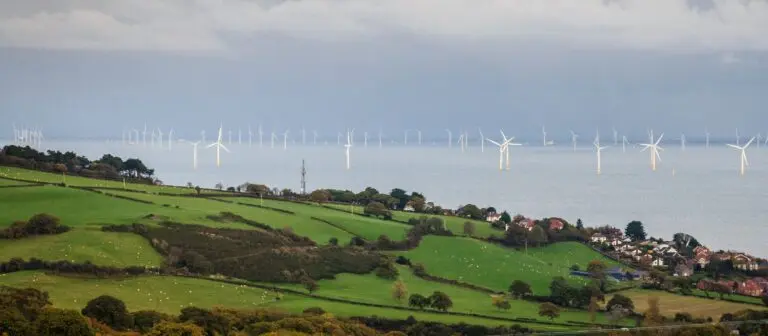
The transition toward renewable energy is also impacting electricity rates. Government policies aimed at promoting solar, wind, and other renewable sources lead to substantial investments in infrastructure, but these costs can be passed on to consumers. In states like California and Texas, where renewable initiatives are robust, consumers are facing differing electricity rate increases depending on local energy policy and market conditions.
Moreover, recent legislative measures encourage a shift toward more sustainable energy solutions, which could stabilize rates in the long term. The Biden administration’s infrastructure plan includes substantial funding for renewable energy programs, which may ultimately lead to more competitive pricing.
Strategies for Consumers
As consumers encounter fluctuating electricity rates, it becomes more crucial to exploring options such as energy efficiency programs and alternative energy suppliers. Many utility companies are offering incentives for energy conservation and the installation of smart technologies to help mitigate costs. Consumers are encouraged to monitor their usage patterns and stay informed about rate changes from their local utility providers.
Conclusion: Looking Ahead
The ongoing changes in electricity rates underscore the complexities of the current energy landscape. With market conditions influenced by both economic factors and environmental considerations, consumers must remain proactive in understanding their electricity costs. Future forecasts suggest that while short-term rate hikes may continue, a long-term shift towards renewable energy could lead to more stable pricing and ultimately benefit both consumers and the environment.