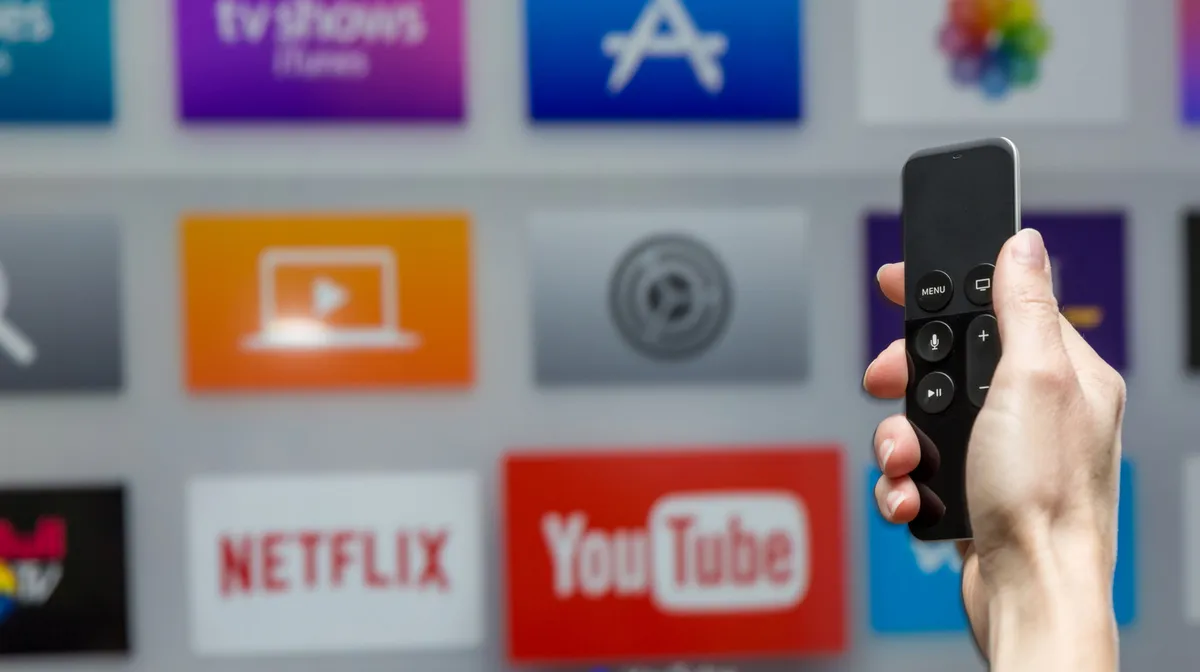
YouTube TV Introduces 30-Second Unskippable Ads Globally
In a significant shift for its advertising strategy, YouTube TV has announced the rollout of 30-second unskippable ads on connected devices worldwide, effective March 12, 2026. This development has garnered immediate attention and sparked frustration among viewers who are now facing longer ad interruptions during their streaming experience.
The introduction of these unskippable ads is part of Google’s broader Video Reach Campaigns expansion, which aims to enhance advertising effectiveness by utilizing artificial intelligence to dynamically optimize ad formats. Google claims that the AI system selects ad formats based on viewer behavior, allowing brands to tell fuller stories through their advertisements. This change comes as YouTube’s projected revenue is set to hit $62 billion, surpassing Disney and establishing the platform as a dominant player in the media landscape.
As part of this new advertising approach, YouTube TV is positioning itself in a way that has led many viewers to draw comparisons to traditional cable television. The 30-second unskippable ads are designed to create a more immersive advertising experience, but they have also led to a backlash from users who feel that they are being forced into a situation reminiscent of the cable TV model they sought to escape. “So the goal is to make YouTube feel more like cable TV, the exact thing everyone left cable TV to escape,” expressed one frustrated user.
In response to the changes, YouTube has also maintained its subscription options, including YouTube Premium, which costs $13.99 monthly and removes ads entirely, and YouTube Premium Lite, priced at $7.99 monthly, which reduces the number of ads but does not eliminate them completely. This strategy appears to be aimed at making the free viewing experience increasingly frustrating, thereby encouraging more users to opt for paid subscriptions.
The introduction of these unskippable ads has not gone unnoticed on social media, where many users have expressed their dissatisfaction. Comments such as, “Thirty seconds of your life, held hostage, every single video, unless you pay up,” reflect the growing sentiment among viewers who feel that the new ad format is excessive. The reaction underscores a significant shift in how users perceive their streaming experience, as they grapple with the implications of this new advertising model.
Historically, YouTube has been at the forefront of digital media innovation, having recently surpassed Disney to become the world’s largest media company. This latest move, however, raises questions about the balance between monetization and user experience. As the television audience represents YouTube’s fastest-growing segment, the platform’s strategy may be seen as a double-edged sword, potentially alienating viewers while seeking to maximize revenue.
As the rollout continues, industry observers will be watching closely to see how these changes affect viewer retention and subscription rates. With the competitive landscape of streaming services constantly evolving, YouTube’s approach to advertising could set a precedent for other platforms. For now, details remain unconfirmed regarding the long-term impact of these unskippable ads on user engagement and satisfaction.
In conclusion, YouTube TV’s decision to implement 30-second unskippable ads marks a pivotal moment in its advertising strategy, reflecting broader trends in the digital media landscape. As viewers navigate this new reality, the ongoing dialogue around user experience versus advertising revenue will likely continue to shape the future of streaming services.