Introduction to Snow Squalls
As winter approaches, understanding various weather phenomena becomes crucial, particularly for those living in colder regions. One such phenomenon is the snow squall. A snow squall is a brief, intense burst of snowfall that can significantly reduce visibility and create hazardous travel conditions. With recent forecasts indicating increased occurrences of these weather events, knowing what a snow squall is and how to prepare for one is essential for safety.
What is a Snow Squall?
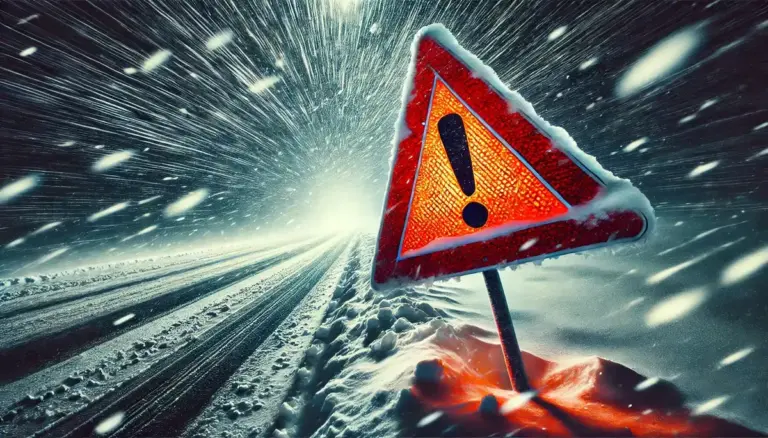
A snow squall is characterized by sudden and heavy snow, typically lasting less than 30 minutes. These squalls are often associated with strong, gusty winds that accompany the falling snow. During a snow squall, visibility can drop almost to zero, making driving extremely dangerous. The National Weather Service (NWS) notes that while snow squalls are short-lived, their impact can be severe, often leading to accidents and road closures.
Conditions Leading to Snow Squalls
Snow squalls typically occur when cold air moves over a relatively warm surface, causing moisture in the air to condense rapidly and fall as snow. This phenomenon is often seen during the transition seasons of late fall and early winter, but it can occur anytime cold air meets moisture-laden conditions. Forecasts indicate that climate change may influence the frequency and intensity of these winter weather events. According to researchers at the National Oceanic and Atmospheric Administration (NOAA), regions in the northeastern United States are particularly susceptible to increased snow squalls due to changing weather patterns.
Recent Events and Safety Precautions
In the past weeks, multiple regions across the Midwest and Northeast have experienced sudden snow squalls, resulting in reduced visibility and significant snowfall in a short period. Authorities have urged residents to stay informed about local weather conditions and to heed any warnings issued regarding snow squalls. It’s essential for drivers to exercise caution during these events, reduce speed, and pull over if visibility becomes dangerously low.
Conclusion
Understanding what a snow squall is can help individuals prepare for potential winter hazards. As these events can occur with little warning and have immediate impacts, staying informed through weather alerts and being prepared to adapt travel plans are essential. Experts recommend having an emergency kit in vehicles during winter months, which can include blankets, food, water, and other necessities. By being knowledgeable about snow squalls and their implications, individuals can take proactive steps to ensure their safety during the winter season.