Introduction to Tornado Warnings
Tornado warnings are critical alerts issued by weather authorities when a tornado is imminent or has been sighted. With the increasing frequency of extreme weather events attributed to climate change, understanding the significance of tornado warnings is more important than ever. These alerts can be lifesaving, providing crucial time for individuals and families to take shelter and prepare for dangerous conditions.
What is a Tornado Warning?
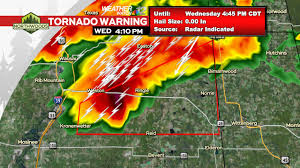
A tornado warning is issued by the National Weather Service (NWS) when a tornado is detected on radar or reported by spotters. This warning generally indicates that a tornado is imminent and that individuals in the affected area should take immediate action to protect themselves. It is distinct from a tornado watch, which indicates that conditions are favorable for tornado formation but does not mean one has been spotted.
Current Tornado Activity and Recent Events
As of October 2023, parts of the Midwest and Southeast U.S. are facing an active tornado season, particularly during the fall months when weather patterns can become volatile. Several tornados have been reported in the past weeks in states like Texas and Alabama, emphasizing the necessity for residents to stay alert to warnings. The NWS has urged the public to remain vigilant, especially during severe thunderstorms when tornadoes are more likely to develop. With improved radar technology, the NWS can now issue more localized warnings that give communities better chances of preparation.
How to Respond to a Tornado Warning
When a tornado warning is issued, it is essential to take immediate action. Here are the steps recommended by emergency management officials:
- Seek Shelter: Head to a basement, storm cellar, or interior room on the lowest floor of a sturdy building. Avoid windows and doors.
- Stay Informed: Use a weather app or NOAA Weather Radio to receive updates. Follow local news channels for ongoing coverage.
- Have a Plan: Have a family emergency plan in place, including an exit strategy and a designated meeting location.
- Prepare an Emergency Kit: Include water, non-perishable food, flashlights, batteries, and first-aid supplies.
Conclusion and Outlook
Understanding tornado warnings and how to respond can mean the difference between life and death during severe weather events. With climate change increasing the severity and frequency of storms, it is vital for everyone to educate themselves about tornado preparedness and response strategies. Following the guidance of the NWS and staying connected to reliable weather news can help mitigate risks associated with tornadoes. As we proceed into the tumultuous autumn season, individuals and communities must remain vigilant and proactive in safeguarding themselves against potential tornado strikes.