Introduction: The Importance of the Prime Rate
The prime rate is a critical benchmark interest rate that influences lending rates across the economy. It is defined as the interest rate that commercial banks charge their most creditworthy customers. In 2023, understanding the prime rate has become increasingly important for consumers and businesses alike, especially as economic conditions fluctuate. Tracking changes in the prime rate can help individuals make informed financial decisions regarding loans and mortgages, while businesses can strategize on capital expenditures.
Current Trends and Recent Changes
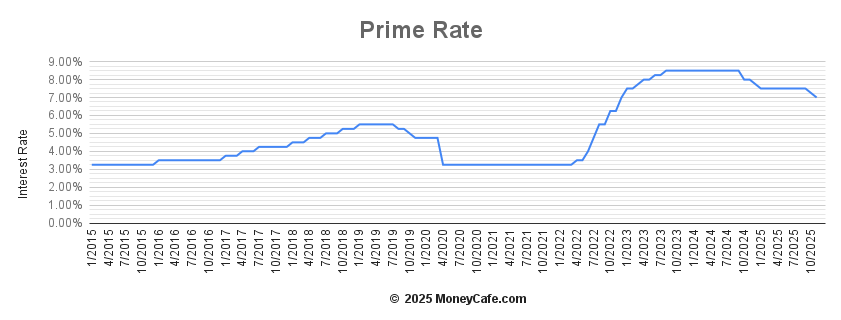
As of October 2023, the prime rate in the United States stands at 8.25%, following a series of adjustments throughout the year. The Federal Reserve implemented multiple interest rate hikes to combat inflation, which has influenced the prime rate directly. For instance, in March 2023, the Federal Reserve raised interest rates by 0.25%, which was followed by a similar increase in May and July. These adjustments are part of a broader monetary policy aimed at stabilizing the economy as it recovers from the uncertainties caused by the pandemic.
This upward trend in the prime rate has significant implications: borrowing costs are expected to rise for consumers seeking loans or mortgages. As a result, average mortgage rates have surged, with 30-year fixed-rate mortgages seeing averages around 7.5%, compared to 3.0% a year prior. Such changes can impact consumer spending habits, as higher interest payments may lead to tightened budgets.
The Impact on Borrowers and Lenders
For borrowers, the prime rate serves as a guide for determining interest rates on variable-rate loans. Individuals with credit cards, home equity lines of credit (HELOCs), and variable-rate mortgages will be particularly affected. With the prime rate increase, the cost of financing through these products becomes more expensive. On the other hand, lenders are likely to benefit from higher interest income, potentially leading to increased stability in bank profits.
Conclusion: Future Outlook for the Prime Rate
Looking ahead, economists predict that the prime rate may stabilize in early 2024, contingent upon inflation trends and economic growth forecasts. If inflation continues to decline and employment remains stable, the Federal Reserve might consider pausing interest rate hikes. However, if economic indicators suggest persistent inflation pressures, further increases could be on the horizon.
For consumers and businesses, staying informed about the prime rate is crucial for effective financial planning. Being proactive can help mitigate risks associated with rising rates, enabling strategic decision-making in uncertain times. Understanding the dynamics of this key interest rate will be essential for navigating borrowing in the upcoming months.