Introduction
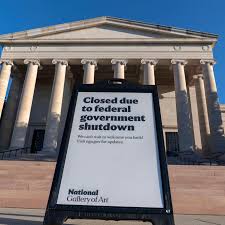
The federal government shutdown is a significant event that occurs when Congress fails to pass necessary funding legislation for government operations. Not only does it affect federal employees and agencies, but it also has far-reaching effects on the economy and public services. As the U.S. faces potential shutdowns more frequently, understanding the mechanisms and implications becomes crucial for citizens and stakeholders alike.
Current Events Surrounding the Shutdown
As of October 2023, the nation is on alert as lawmakers debate budget allocations for the fiscal year. A recent impasse between the House and Senate over discretionary spending has led to rising concerns about a possible government shutdown. The Biden administration has urged Congress to finalize a budget and avoid the consequences of a shutdown, which include furloughs for federal employees, disrupted public services, and potential impacts on the economy.
The Congressional Budget Office estimates that a shutdown could slow down economic growth by impacting jobs and investors’ confidence. Already, agencies such as the National Parks Service and the Internal Revenue Service have begun preparing plans to close or limit access to services, which could inconvenience millions of Americans.
Consequences of a Government Shutdown
A federal government shutdown results in more than just an interruption of services; it affects a broad spectrum of areas including public safety, healthcare, and economic stability. Essential services maintain operations, but non-essential services see significant reductions. For instance, national parks close their doors, and many research projects are halted.
Additionally, federal employees may face furloughs, which not only affect their personal finances but also ripple through local economies. In the last shutdown in 2019, about 800,000 federal employees were furloughed or worked without pay during the 35-day standoff, leading to economic strain on communities reliant on federal jobs.
Conclusion
As the debate intensifies around the federal budget, understanding the stakes of a potential government shutdown remains essential. The consequences are profound, affecting not only government operations and employees but also everyday citizens who rely on federal services. Experts warn that continuous threats of shutdowns could lead to long-term economic repercussions and public distrust in government. Therefore, it is imperative for Congress to come together to ensure funding agreements that prevent shutdowns and maintain stability across various sectors.