Introduction to Snow Squalls
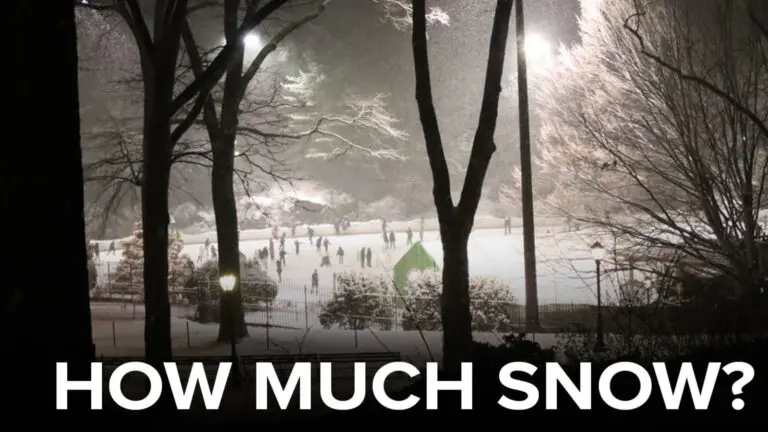
As winter approaches, the phenomenon of snow squalls becomes increasingly prevalent. These sudden and intense bursts of snow can significantly impact travel and outdoor activities, posing potential hazards. Understanding snow squalls and their implications is vital for safety during the winter months.
What is a Snow Squall?
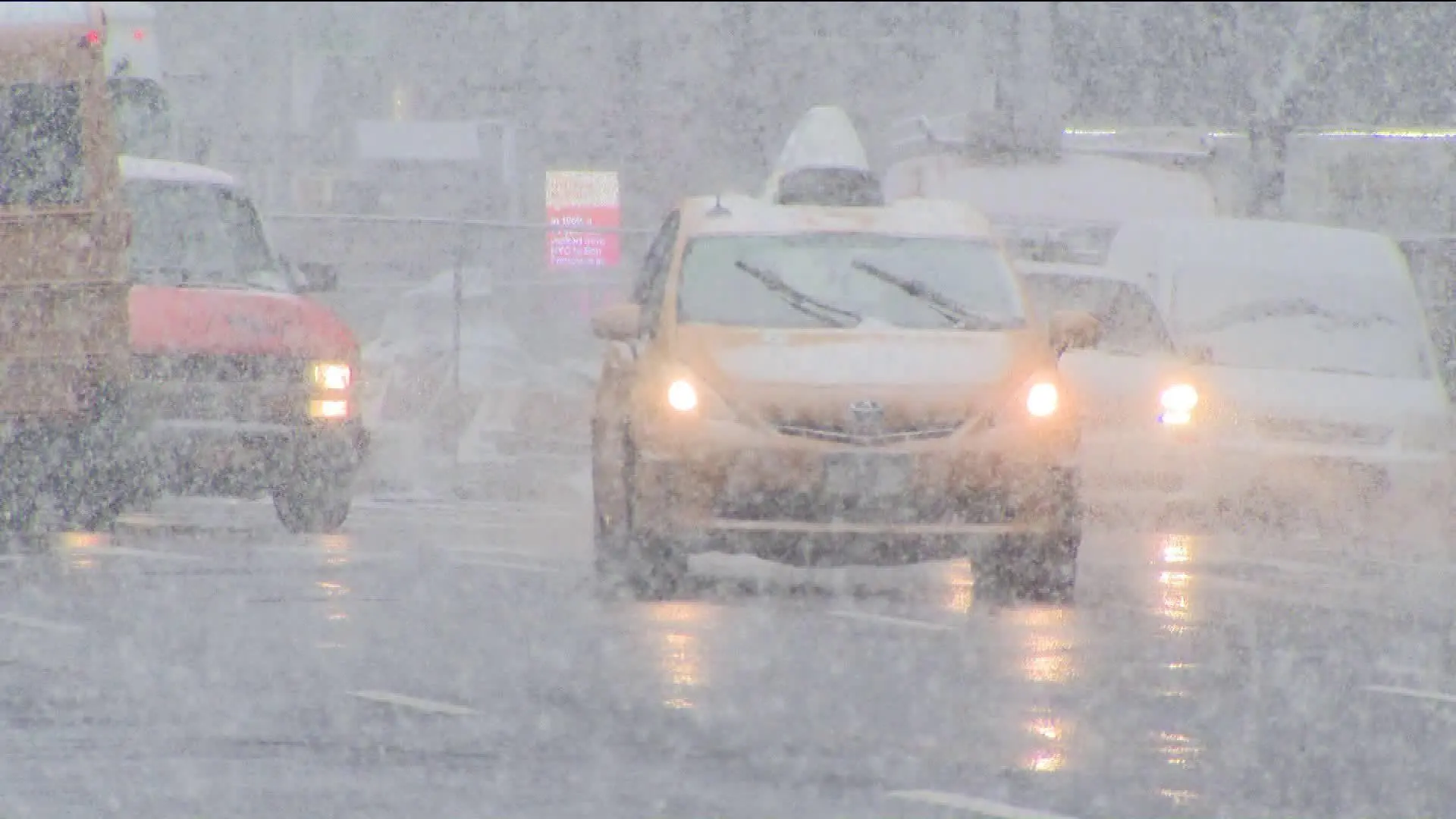
A snow squall is defined as a brief but intense period of snow that can reduce visibility and create hazardous driving conditions. Unlike regular snowfall that accumulates over time, snow squalls develop quickly and can drop several inches of snow in a short period, leading to rapidly changing conditions.
Recent Incidents
Earlier this winter, several regions in the northeastern United States experienced snow squalls that caused significant disruptions. For example, a snow squall that swept through parts of Pennsylvania resulted in multiple vehicle accidents along I-80, leading to traffic delays and road closures. On December 5, 2023, local weather services issued warnings indicating that a squall could reduce visibility to almost zero, prompting officials to advise against unnecessary travel.
Impacts of Snow Squalls
The primary impact of snow squalls is the extreme reduction in visibility, which can be dangerous for drivers. The National Weather Service (NWS) notes that these conditions can occur unexpectedly, often without significant advance warning. Snow squalls can last anywhere from 30 minutes to a couple of hours, but their intensity can create treacherous conditions. As temperatures drop and winds pick up, icy conditions can develop, increasing the risk of accidents.
Safety Tips During a Snow Squall
To stay safe during a snow squall, adhere to the following recommendations:
- Monitor Weather Updates: Stay informed about weather conditions through local news or weather apps.
- Avoid Travel: If possible, avoid driving during a snow squall. If you must travel, ensure your vehicle is equipped for winter conditions.
- Stay Calm: If you find yourself in a snow squall, reduce speed, turn on your headlights, and maintain a safe distance from other vehicles.
Conclusion
Snow squalls can pose serious risks, particularly for drivers and outdoor enthusiasts. With their sudden onset and severe conditions, preparation and awareness are crucial for staying safe. As severe winter weather continues, understanding snow squalls and taking appropriate precautions can help protect individuals and communities from their impacts. As climate patterns evolve, it is advisable to remain vigilant about such weather events to ensure safety and preparedness throughout the winter season.