Introduction to Pulmonary Embolism
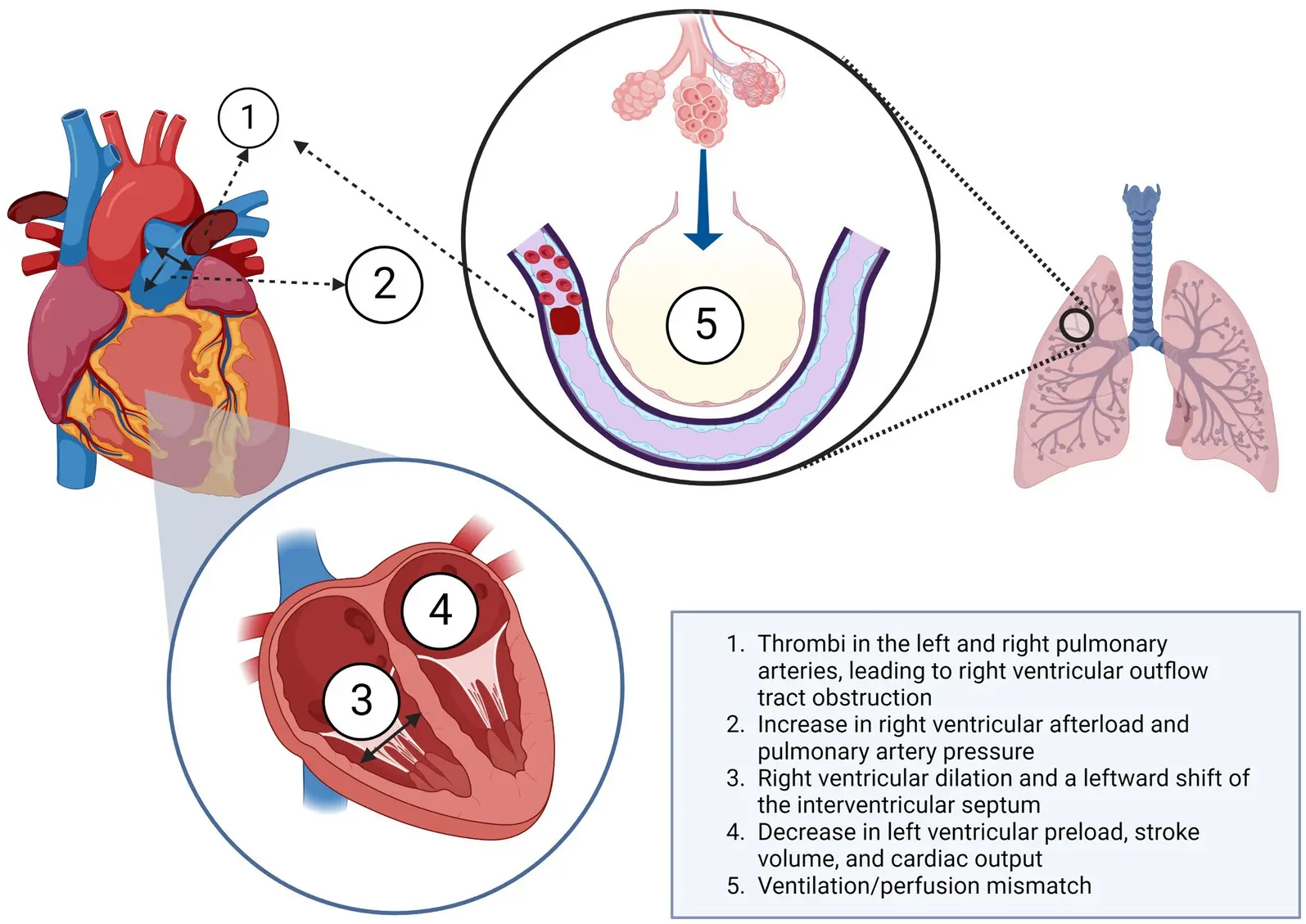
Pulmonary embolism (PE) is a serious medical condition that occurs when a blood clot blocks one or more arteries in the lungs. This condition can lead to severe complications, including lung damage and death if not diagnosed and treated promptly. Understanding PE is crucial for recognizing its symptoms and seeking timely intervention, which can save lives.
Causes and Risk Factors
The primary cause of a pulmonary embolism is deep vein thrombosis (DVT), where blood clots form usually in the legs and travel to the lungs. Several factors increase the risk of developing DVT and consequently pulmonary embolism, including prolonged immobility (such as long flights), recent surgery, certain medical conditions (like cancer), smoking, and obesity. According to the Centers for Disease Control and Prevention (CDC), approximately 100,000 to 180,000 people die each year from PE in the United States.
Symptoms of Pulmonary Embolism
Recognizing the symptoms of pulmonary embolism is essential for prompt treatment. Common symptoms include sudden shortness of breath, chest pain that may worsen with deep breaths, coughing up blood, rapid heart rate, and lightheadedness. Anyone experiencing these symptoms should seek immediate medical attention, as PE can progress rapidly.
Diagnosis and Treatment Options
Diagnosis of PE typically involves an assessment of medical history, physical examination, and imaging tests, such as a CT pulmonary angiography or ventilation-perfusion (V/Q) scan. Blood tests, including D-dimer tests, may also assist in diagnosis. Treatment often involves anticoagulants, which are medications that thin the blood and prevent new clots from forming. In severe cases, thrombolytics (clot dissolvers) may be administered or surgical interventions may be necessary to remove the clot.
Conclusion: Importance of Awareness and Prevention
Awareness of pulmonary embolism is vital, given its potential severity and the sudden nature of its onset. Individuals at risk should take preventive measures, including maintaining an active lifestyle, managing risk factors, and staying vigilant about symptoms. With prompt recognition and appropriate treatment, the outcomes of pulmonary embolism can be significantly improved, underscoring the importance of education and preparedness in combating this silent killer.