Introduction
High wind warnings are crucial alerts issued by meteorological authorities to inform the public of dangerous wind conditions. These warnings are essential for ensuring safety during severe weather events, particularly in areas prone to heavy rainfall, thunderstorms, or hurricanes. Understanding high wind warnings can help individuals and communities prepare for potential risks, making this topic increasingly relevant in our increasingly volatile climate.
Details on High Wind Warnings
According to the National Weather Service (NWS), a high wind warning is issued when sustained winds of 40 mph, or gusts of 58 mph or higher, are expected for an extended period of time. Warnings are typically issued 12 to 24 hours in advance of the expected high winds and can impact both urban and rural areas alike.
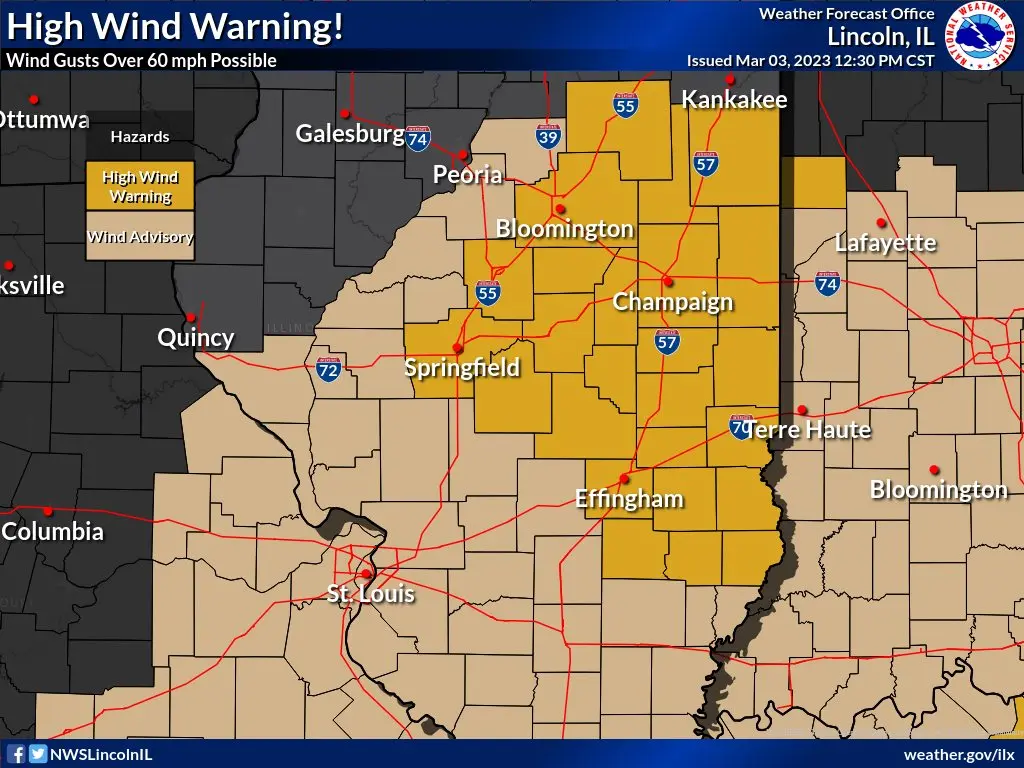
Recently, several states across the Midwest and Southeast have issued high wind warnings due to the combination of powerful storms and front systems moving through the region. For example, in late October, Illinois, Indiana, and Missouri experienced winds exceeding 70 mph, causing widespread damage, knocked down power lines, and resulted in numerous power outages. These conditions prompted local emergency management to advise citizens to secure outdoor furniture, avoid travel, and stay indoors as much as possible.
Impacts of High Winds
The impacts of high winds can be significant, including property damage, downed power lines, and personal injury. Trees leaning under stress can snap or uproot while unsecured outdoor objects like patio furniture can become dangerous projectiles. Furthermore, high winds may exacerbate the spread of wildfires, as they can carry embers across wide expanses. Stress on buildings, especially older structures, can increase the risk of collapse or damage.
Preparation and Safety Measures
To prepare for high wind events, officials recommend residents take several safety measures. These include securing or storing outdoor items, ensuring that vehicles are parked in safe locations, and creating an emergency kit. Monitoring local weather stations or apps for updates and information about road conditions can also be crucial. In the event of a high wind warning, following guidelines from local authorities may help mitigate risks.
Conclusion
As climate change continues to influence weather patterns, the frequency and intensity of severe wind events may increase, making high wind warnings ever more significant for communities. Awareness and preparedness are key in minimizing damage and ensuring personal safety during high wind occurrences. It is essential for citizens to stay informed and heed the warnings issued by meteorological services to enhance resilience in the face of such natural phenomena.