Introduction
The upcoming Federal Reserve (Fed) meeting, scheduled for next week, is poised to have significant implications for the U.S. economy. As inflation rates fluctuate and economic recovery continues, the decisions made during this meeting will likely affect interest rates, consumer spending, and overall market stability.
Current Economic Landscape
As of October 2023, the U.S. economy has shown signs of resilience despite facing challenges such as persistent inflation and global economic uncertainties. The Consumer Price Index (CPI) report for September indicated a year-over-year increase of 3.7%, which, while lower than previous peaks, remains a concern for policymakers. Furthermore, unemployment rates have stabilized around 4.2%, suggesting a tight labor market that could press wages higher, potentially feeding into inflation. Given this context, the Fed is under pressure to navigate its monetary policy carefully.
What to Expect from the Fed Meeting
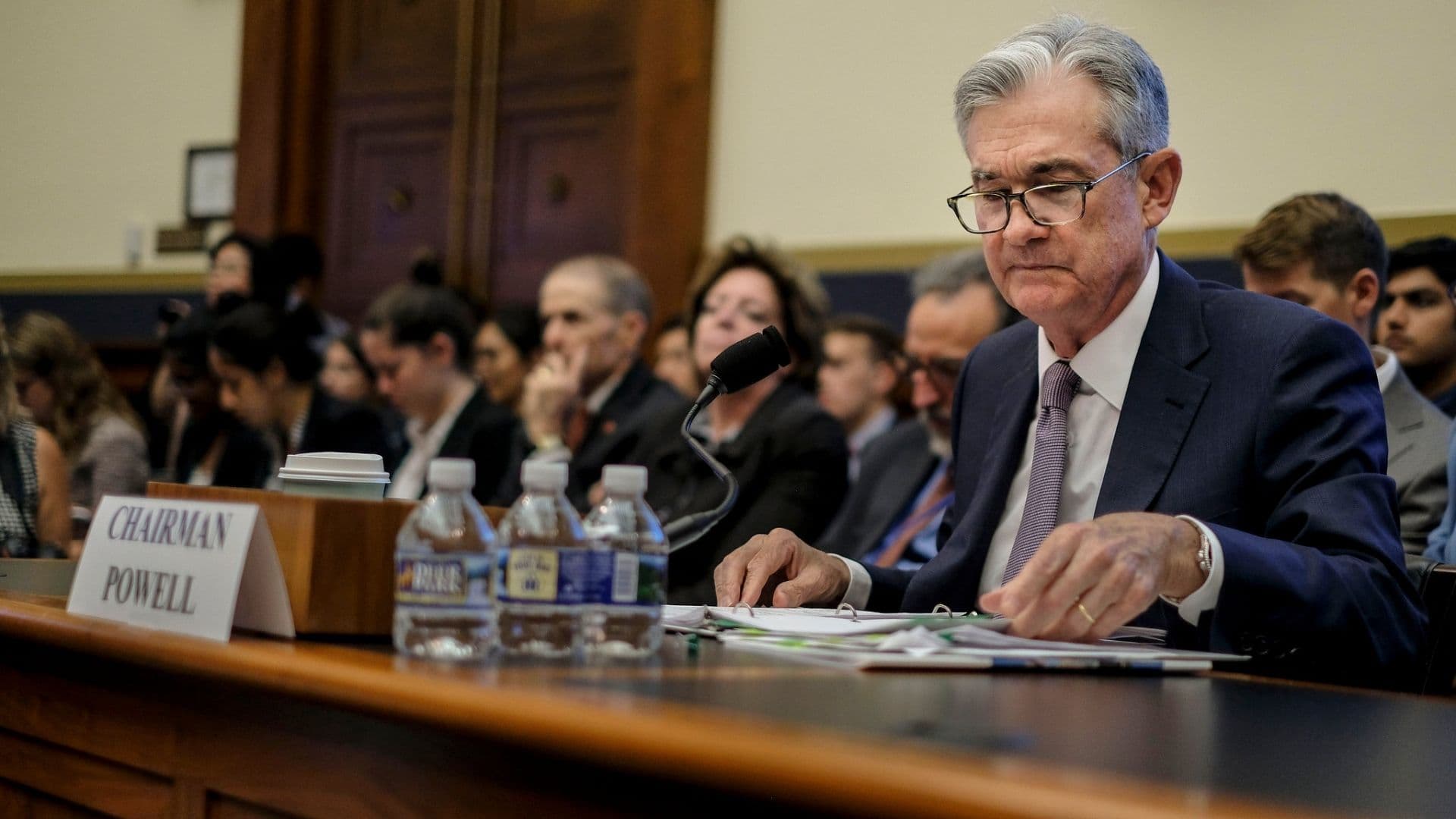
Most analysts expect the Federal Open Market Committee (FOMC) to hold interest rates steady at their next meeting, maintaining the target rate within the range of 5.25%-5.50%. However, with rising inflationary pressures, there is increasing speculation that the Fed may have to raise rates in subsequent meetings to prevent overheating in the economy. Chair Jerome Powell’s statements prior to the meeting indicate a cautious approach, with a focus on data-driven decisions moving forward.
Market Reactions and Implications
The stock market has shown mixed reactions as investors await the Fed’s decision. Major indices have oscillated based on economic data releases, with particular focus on consumer spending and manufacturing reports ahead of the meeting. A more hawkish stance from the Fed — one that hints at future rate hikes — could trigger volatility in equity markets, while a dovish tone could stabilize investor sentiment.
Conclusion
The outcome of the Fed meeting will have ramifications not just for financial markets, but for the broader economic environment as well. Investors, businesses, and policymakers alike are keenly observing how the Fed balances inflation control with economic growth. As we approach the meeting date, all eyes will be on the Fed’s communications and subsequent actions, which will shape the economic landscape for the remainder of the year and into 2024.