Who is involved
The No Kings protests, set to unfold on March 28, 2026, represent a significant moment in American political activism, particularly against the backdrop of President Donald Trump’s controversial presidency. Prior to this movement, many Americans, especially suburban voters, had been grappling with their political identities in response to the perceived authoritarianism of the Trump administration. The expectation was that traditional party lines would hold firm, but the reality has shifted dramatically as discontent has grown.
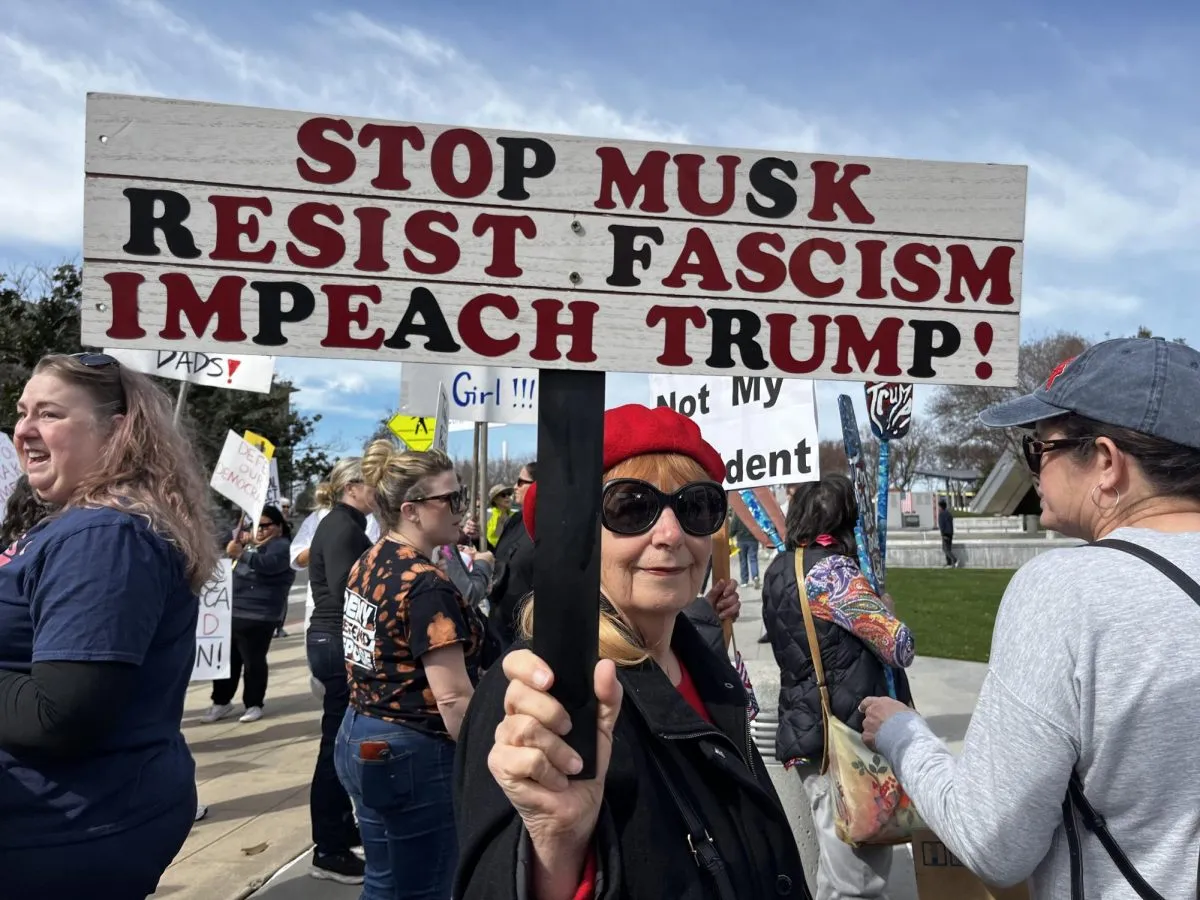
As the protests are organized by the activist group Indivisible, they are expected to draw more than 9 million participants nationwide, making it potentially the largest day of protesting in U.S. history. With over 3,000 planned demonstrations across the country and at least 40 in the Philadelphia region alone, the scale of this movement is unprecedented. The Philadelphia protest will commence at City Hall and march down the iconic Ben Franklin Parkway, with speeches slated to begin around 1:15 p.m.
The decisive moment for the No Kings protests came as suburban voters, who had previously leaned Republican, began to express their dissatisfaction with Trump’s leadership. This shift has been characterized by a growing anti-Trump sentiment, particularly among those who feel that their safety and democratic values are under threat. Activist Analilia Mejia, who is also a candidate in New Jersey’s 11th District special election scheduled for April 16, 2026, encapsulated this sentiment when she stated, “A ZIP code does not protect anyone from rising violent authoritarianism.”
The protests are not merely a reaction to Trump but also a reflection of a broader trend of suburban voters distancing themselves from the Republican Party. This demographic shift has been fueled by a series of events and policies that many perceive as undermining democratic norms. As activist Jeff Naiman put it, “It’s like our hair is on fire,” highlighting the urgency felt by many in the face of what they see as an existential threat to their values.
In the lead-up to the protests, the mobilization of millions mirrors the grassroots efforts seen in 2025, where similar large-scale demonstrations took place. The No Kings protests are poised to galvanize a diverse coalition of individuals united in their desire for change. As the protests unfold, the immediate effects on the parties involved will be significant, particularly for the Democratic Party, which may see an influx of support from disillusioned voters.
Experts suggest that the impact of the No Kings protests could reverberate through the political landscape, influencing not only the upcoming special election in New Jersey but also the broader 2026 midterm elections. As the movement gains momentum, it is essential to observe how it shapes voter behavior and party dynamics in the months to come. The protests symbolize a critical juncture in American politics, where the fight against perceived authoritarianism is becoming increasingly personal and urgent.
As the nation prepares for the No Kings protests, the voices of those involved are resonating with a sense of collective urgency. Allison Posner, another activist, emphasized, “This is not some other people’s fight. This is our fight,” reinforcing the notion that these protests are a grassroots movement aimed at reclaiming democratic values. The No Kings protests are not just about opposing Trump; they are about standing up for a vision of America that prioritizes justice, equality, and the rule of law.