Introduction
The recent announcement of Wells Fargo closing numerous branches across the United States is raising concerns among customers and communities. The decision is significant as it affects access to banking services, especially for those reliant on physical branches. Understanding the factors driving these closures and their impact can guide affected customers in navigating their banking needs.
Current Events and Details
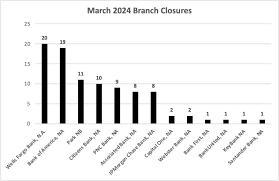
Wells Fargo has disclosed plans to shutter approximately 450 branches by the end of 2022, following a trend initiated in previous years. This reduction contributes to a broader trend in the banking industry, where digital banking is increasingly becoming the norm. As consumers shift towards online banking, banks face pressure to streamline operations and reduce costs.
According to the latest reports, these decisions are influenced by several factors, including declining foot traffic in bank branches, the rise in operational costs, and a strategic pivot to enhance digital services. Wells Fargo officials have emphasized that the bank remains committed to serving customers through digital platforms and limited physical branches, focusing on strengthening its online presence.
Community Impact
The closures are not without consequences. Many communities, particularly those in rural or underserved areas, may find access to banking services limited by the closures. Residents rely on local branches for various services, including personal banking, loans, and financial advice. Customers in these areas may need to travel further to access Wells Fargo services or transition to competitors with more accessible locations.
Furthermore, these changes can lead to job losses for Wells Fargo employees, as branch closures may result in some positions being eliminated. The bank has stated that they aim to reassign employees where possible, but layoffs remain a potential concern.
Conclusion
The trend of Wells Fargo banks closing branches reflects larger shifts in the banking industry, as customers adapt to digital banking solutions. While the immediate convenience of online banking enhances customer experience, it also poses challenges, particularly for vulnerable populations. As these changes unfold, it is essential for consumers to be proactive in understanding their banking needs and exploring available resources. Customers are encouraged to familiarize themselves with online banking options and, where possible, stay engaged with local community financial institutions that continue to focus on in-person banking services.