Introduction
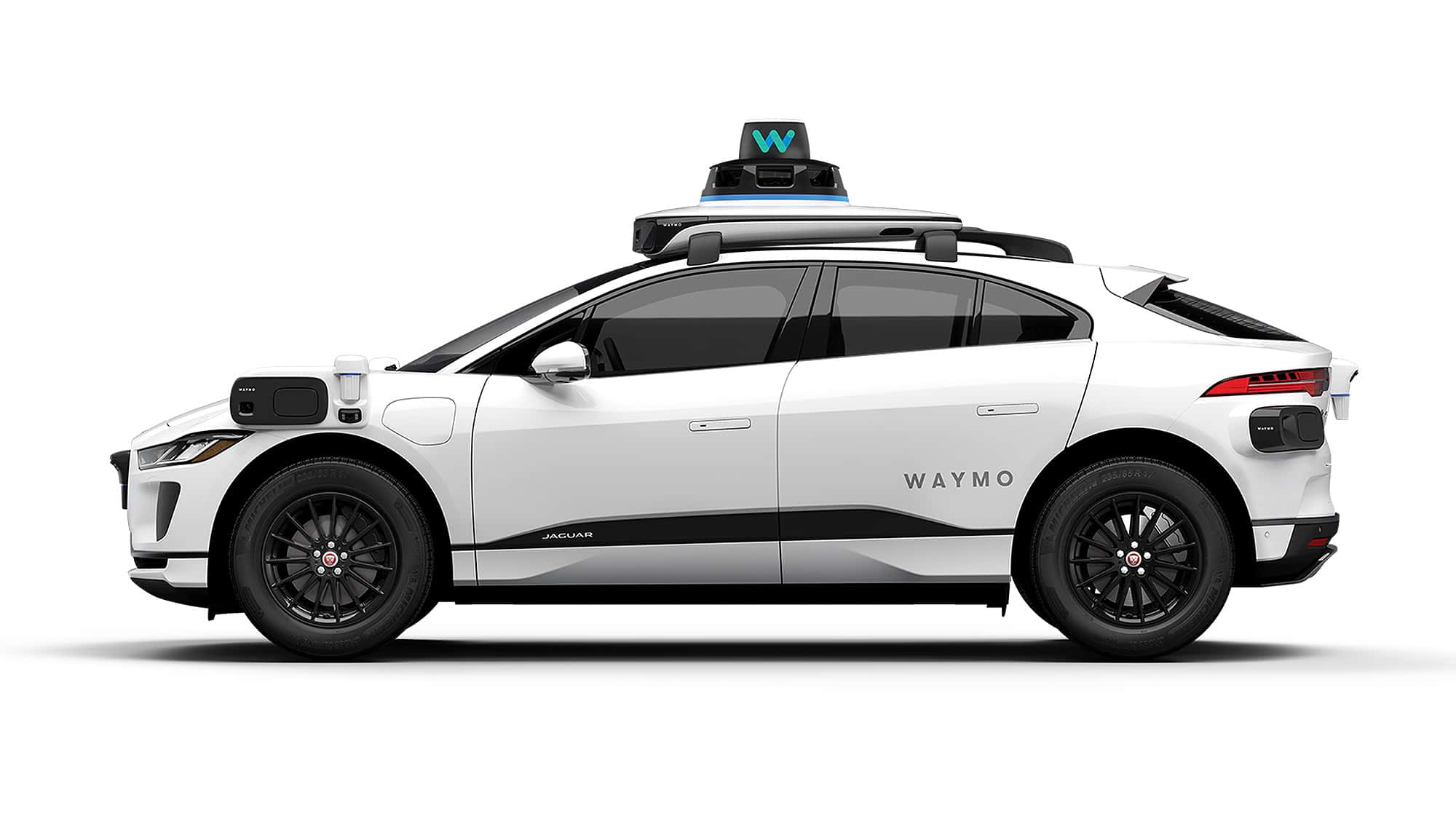
Waymo, a subsidiary of Alphabet Inc., has emerged as a leader in the autonomous vehicle industry, revolutionizing transportation as we know it. With advancements in self-driving technology, Waymo’s influence is significant, not only in reshaping how we travel but also in expanding discussions around safety, urban planning, and regulations. As the world moves towards more sustainable and efficient modes of transportation, understanding Waymo’s progress and challenges becomes increasingly vital.
Recent Developments
In recent months, Waymo has made headlines for several key advancements. In September 2023, the company announced an expansion of its robotaxi service in Phoenix, Arizona, a city where it has operated extensively since 2018. The service now includes more neighborhoods, making it easier for residents to access self-driving rides. This expanded operation aligns with Waymo’s goal of validating its technology in diverse environments while gathering critical real-world data.
Alongside geographic expansion, Waymo has introduced new safety features powered by artificial intelligence. These features aim to enhance the vehicle’s ability to predict the actions of pedestrians and cyclists, which is an ongoing concern in urban settings. Recent pilot programs tested these developments in various scenarios, showing promising results in traffic navigation and interaction with human drivers.
Challenges Faced
Despite these progressions, Waymo faces several challenges in its journey. Competition within the autonomous vehicle market is intensifying, with major players like Tesla and emerging startups introducing innovative technologies. Regulatory hurdles also persist, posing questions about safety standards and consumer acceptance. Additionally, public skepticism regarding the reliability of autonomous driving remains a barrier that Waymo and others must overcome.
Conclusion
The implications of Waymo’s advancements in autonomous driving are far-reaching. As the company continues to refine its technology and expand its services, it may influence urban mobility, environmental sustainability, and economic growth in transportation sectors. Looking ahead, experts forecast that if Waymo successfully addresses regulatory and public perception challenges, it could become a model for the future of transportation, ushering in a new era of convenience and safety on the roads. Waymo stands at the forefront of redefining mobility, making it essential for the public to stay informed about its evolving role in our daily lives.