Introduction
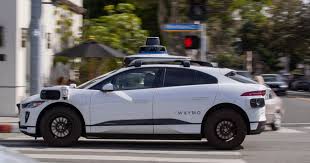
Waymo, a subsidiary of Alphabet Inc., is at the forefront of the autonomous driving revolution. As cities evolve and populations grow, the need for efficient, safe, and reliable transportation solutions becomes more critical. Waymo’s advancements in self-driving technology are not only reshaping the automotive industry but also redefining how we perceive mobility. This article explores the latest developments from Waymo, their impact on the industry, and what the future may hold for autonomous vehicles.
Recent Developments
In late 2023, Waymo announced significant updates to its self-driving technology, emphasizing expanded operational domains. The company’s autonomous taxi service, Waymo One, is now operational in several major metropolitan areas, including Phoenix and San Francisco, with plans for expansion to more cities in the upcoming months. Waymo’s technology utilizes a combination of advanced sensors, machine learning algorithms, and real-time data to navigate urban environments safely.
In addition to passenger transportation, Waymo has been actively testing freight services through its Waymo Via program. In October 2023, the company reported a successful pilot project collaborating with a major logistics provider, demonstrating the effectiveness of their self-driving trucks in real-world shipping scenarios. This not only signifies an essential step forward for commercial logistics but also addresses the growing driver shortage issue faced in the trucking industry.
Partnerships and Collaborations
Waymo’s strategy includes forging partnerships with automotive manufacturers and technology firms. In a recent alliance with Stellantis, Waymo aims to equip a new fleet of vehicles with its autonomous technology, enhancing their manufacturing capabilities. These partnerships are pivotal for accelerating the adoption of self-driving technology across the automotive market, as they combine Waymo’s software expertise with established manufacturing processes.
Challenges and Regulatory Landscape
Despite its advancements, Waymo faces several challenges. One of the most significant hurdles is navigating the complex regulatory landscape that governs autonomous vehicles in the United States. Local and federal agencies are still formulating policies that address safety, liability, and integration of autonomous vehicles onto public roads. Waymo’s proactive engagement with policymakers aims to shape regulations that foster innovation while ensuring public safety.
Conclusion
As Waymo continues to trailblaze in the field of autonomous vehicles, the implications of its progress extend far beyond mere transportation. The potential for decreased traffic accidents, reduced congestion, and improved energy efficiency indicates a transformative shift in urban mobility. For consumers and cities alike, Waymo’s advancements offer promising prospects for the future. With the ongoing expansion of its services and collaborations, Waymo is poised to maintain its position as a leader in the evolving landscape of self-driving technology.