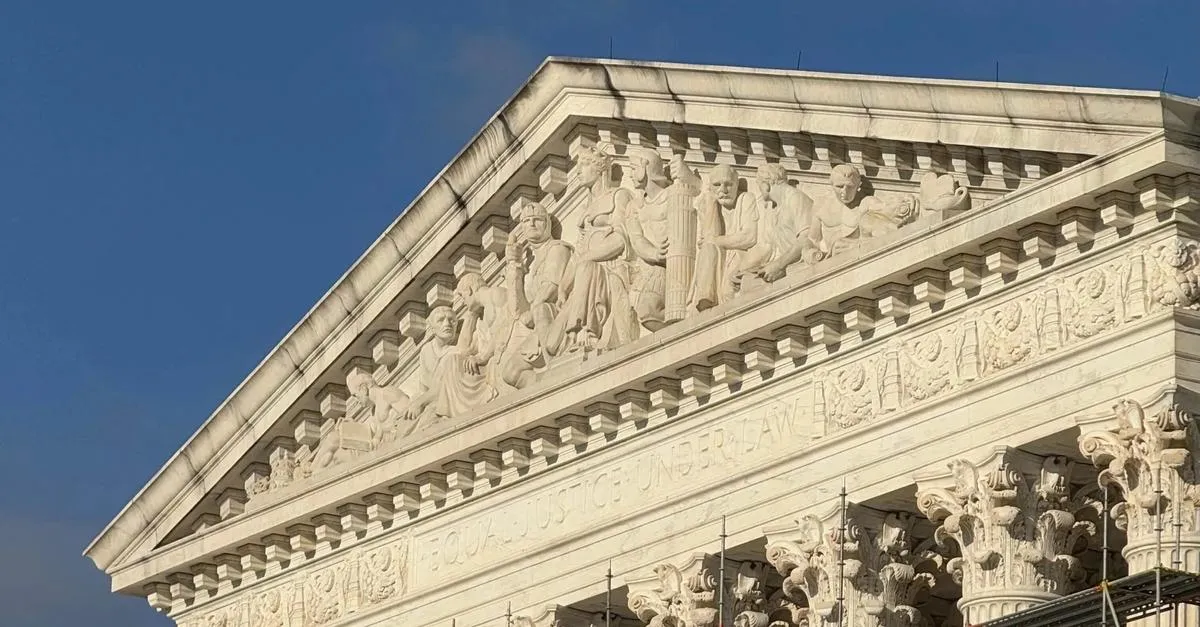
The U.S. Supreme Court’s ruling in Louisiana v. Callais on April 29, 2026, significantly undermines the Voting Rights Act, allowing states to engage in discriminatory voting practices that could adversely affect Black voters and others seeking fair representation.
Before this landmark decision, expectations surrounding the Voting Rights Act were rooted in its historical role as a federal protection against racial discrimination in elections for over six decades. Advocates believed that Section 2 of the Act would continue to safeguard minority voting rights, particularly as redistricting efforts began to take shape ahead of upcoming elections.
However, the Supreme Court’s 6-3 decision struck down a congressional map in Louisiana that had allowed Black voters to elect candidates of their choice. This ruling not only weakened Section 2 but also raised new evidentiary hurdles for voters challenging racially discriminatory maps, thus changing the landscape of electoral politics significantly.
The immediate effects of this ruling are profound. The decision enables states to enact discriminatory voting maps and laws, potentially leading to the elimination of majority-minority districts in southern states, which historically have been crucial for ensuring minority representation. In Louisiana alone, this could translate into two opportunity districts being lost for Black voters, while up to twelve Democrats might be ousted due to these redistricting changes.
Experts have weighed in on this shift, noting that the Supreme Court’s majority opinion emphasized a need to disentangle race from politics in redistricting cases. Chris Kieser, a legal analyst, articulated that “the very idea of a majority-minority district and having a candidate of their choice is kind of antithetical to democracy.” This perspective could pave the way for further challenges to existing minority protections.
Justice Elena Kagan remarked that the Voting Rights Act has ushered in significant change over the decades, bringing the nation closer to fulfilling ideals of democracy and racial equality. The current ruling may represent a critical setback for these ideals and has prompted calls for Congress to consider enacting new protections against racial and partisan discrimination in redistricting.
Looking forward, it appears that Congress may need to take action to address these emerging challenges by potentially enacting protections against racial and partisan discrimination within state-level redistricting processes. Meanwhile, some states might pursue their own voting rights protections as they navigate this new legal landscape.
The implications of this ruling extend beyond Louisiana; they resonate throughout the nation as advocates and lawmakers grapple with how best to protect voting rights amid a shifting judicial environment.