Introduction
As winter approaches, the National Weather Service (NWS) is preparing to issue winter weather advisories across various regions. These advisories are essential for keeping the public informed about severe winter conditions, such as heavy snow, ice storms, or freezing temperatures, allowing individuals and communities to take necessary precautions. Understanding what these advisories entail is crucial for ensuring safety during the winter months.
What is a Winter Weather Advisory?
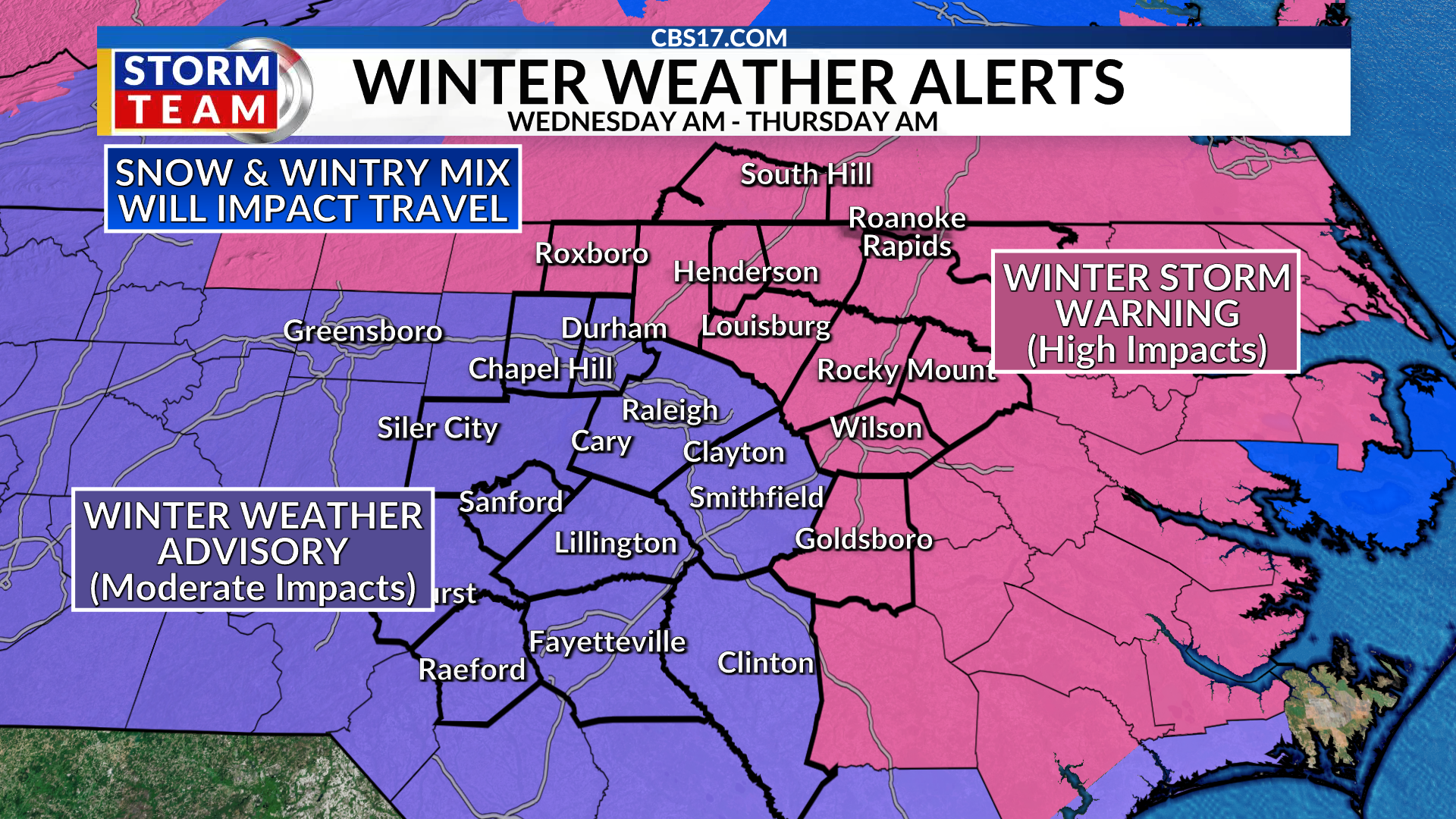
A winter weather advisory is a warning issued by the NWS to inform the public about expected winter weather conditions that may cause hazardous travel or outdoor activities. This advisory generally indicates that significant weather changes are anticipated but are not expected to be life-threatening. Common scenarios that prompt advisories include snow accumulations of some inches, the formation of ice, or wind chill factors that lead to dangerously low temperatures.
Current Winter Weather Advisories
Currently, several states across the Midwest and Northeast are under winter weather advisories as frigid air and moisture combine to produce snow and freezing rain. For instance:
- Midwest: States like Wisconsin and Minnesota are dealing with a significant accumulation of snow, leading to hazardous driving conditions.
- Northeast: Areas including upstate New York and parts of New England are warned about potential ice storms that could lead to power outages.
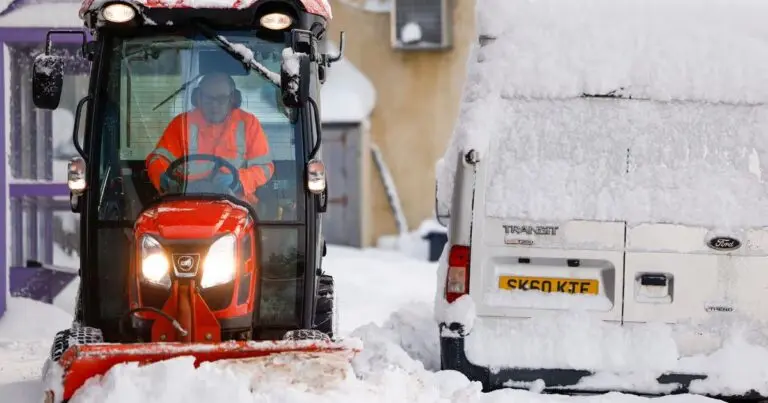
Local authorities are advising residents to remain indoors if possible and, if traveling is necessary, to take precautions such as keeping emergency kits in vehicles and monitoring road conditions closely.
Recommendations and Precautions
In response to winter weather advisories, residents are encouraged to follow several recommendations:
- Stay tuned to weather updates from the NWS and local news.
- Prepare your home and car for winter conditions, ensuring that heating systems are functional and vehicles are equipped with emergency supplies.
- Limit travel during severe weather conditions unless absolutely necessary.
Conclusion
Winter weather advisories serve as an essential tool for public safety, providing timely information about potential hazards. With the unpredictability of winter weather, being aware of these alerts and prepared for adverse conditions can make all the difference. As the winter season progresses, residents are advised to stay proactive in monitoring updates and taking actions that prioritize their safety and well-being.