Introduction
West Nile Virus (WNV) is an important public health concern in the United States, especially during the warmer months when mosquito populations surge. It can lead to severe illness in some individuals, and awareness of its symptoms, transmission, and prevention methods is crucial for public safety.
Overview of West Nile Virus
First identified in Uganda in 1937, West Nile Virus was introduced in the U.S. in 1999 and has since become endemic across North America. It primarily spreads through the bite of infected mosquitoes, although it can also be transmitted through other means such as blood transfusions and organ transplants.
Current Outbreaks and Statistics
As of October 2023, the Centers for Disease Control and Prevention (CDC) reported over 1,000 confirmed cases of WNV across various states, particularly in regions with warmer climates that support mosquito breeding. The majority of infections go unnoticed, but approximately 20% of those infected exhibit mild symptoms, while about 1% develop severe neurological complications, including meningitis and encephalitis.
Symptoms to Watch For
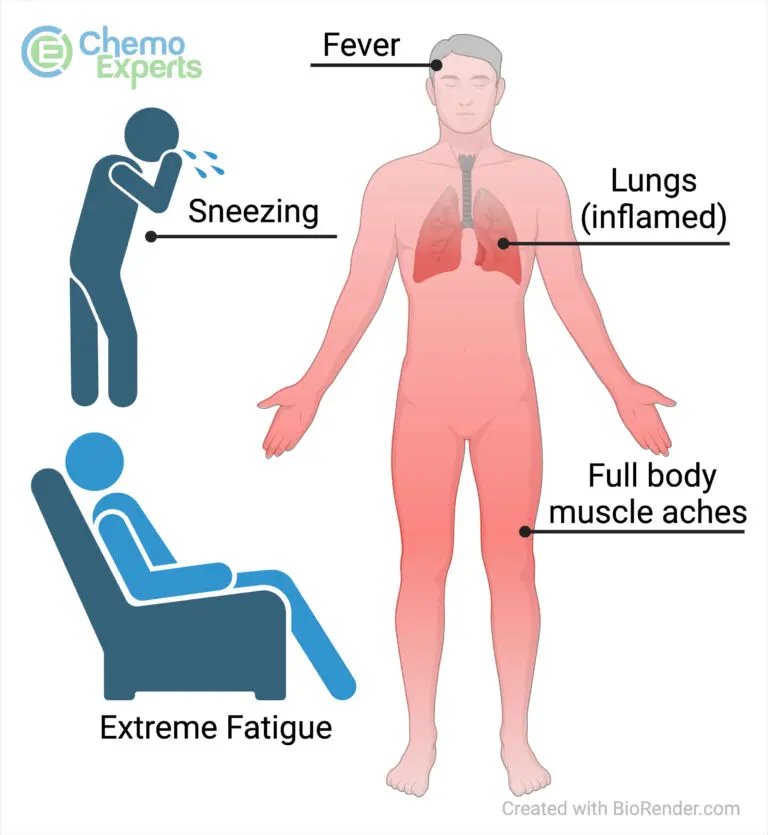
Common symptoms include fever, headache, body aches, nausea, and sometimes skin rashes. In severe cases, symptoms may escalate to high fever, disorientation, tremors, seizures, and paralysis. Immediate medical attention is advised if severe symptoms develop.
Prevention Measures
Preventive measures are key to reducing the risk of WNV. Health organizations recommend using insect repellent containing DEET, wearing long-sleeved clothing when outdoors, eliminating standing water where mosquitoes breed, and ensuring window and door screens are intact. Public health campaigns also emphasize community awareness to help mitigate outbreaks.
Conclusion
Understanding West Nile Virus and its risks is essential for protecting public health. As we progress into the end of the mosquito season, maintaining preventative practices will be crucial to minimizing new cases. Ongoing surveillance and research will continue to play an essential role in effective management and responses to outbreaks. Stay informed and take proactive measures to safeguard against West Nile Virus.