Importance of VA Disability Benefits
VA disability benefits are crucial for veterans who have sustained injuries or illnesses related to their military service. These benefits not only provide financial support but also help ensure veterans receive the healthcare and assistance they need to adapt to civilian life. With millions of veterans in the United States, understanding these benefits is of immense significance for both the individuals who served and for the society that honors their sacrifices.
What are VA Disability Benefits?
VA disability benefits are compensation provided by the U.S. Department of Veterans Affairs (VA) to veterans who have disabilities that are connected to their military service. The benefits vary based on the severity of the disability and can include monthly compensation payments, healthcare options, vocational rehabilitation, and additional allowances for dependents.
Eligibility Requirements
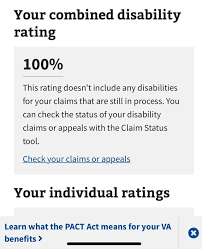
To qualify for VA disability benefits, veterans must meet certain criteria. They must have served in active duty, be discharged under conditions other than dishonorable, and demonstrate that their disability is service-connected. The VA assigns a disability rating that ranges from 0% to 100%, which determines the level of compensation a veteran receives. Additionally, veterans can seek assistance from VA representatives or accredited service organizations to help navigate the application process.
Recent Developments and Changes
As of 2023, the VA has made significant efforts to streamline the application process for disability benefits. Initiatives like the Veterans Benefits Administration’s modernization plan aim to reduce wait times and increase transparency regarding claims processing. Furthermore, adjustments to the criteria for service connection have been introduced, including updates related to conditions such as PTSD, Agent Orange exposure, and effects from toxic substances.
The Significance of VA Disability Benefits
VA disability benefits have far-reaching implications for veterans’ quality of life, as they not only provide financial stability but also contribute to mental health support and community reintegration. With the ongoing commitment from the federal government to support its veterans, these benefits play a critical role in honoring their service and ensuring they are provided with the necessary resources to thrive post-service.
Conclusion
As veterans navigate their post-military lives, understanding and accessing VA disability benefits is essential. With ongoing advancements to the system and increased awareness, veterans should feel empowered to seek the support they deserve. Moving forward, continued advocacy and updates from the VA are likely to enhance accessibility and responsiveness, ultimately improving the lives of those who have served the nation.