Introduction
Union Station, a hallmark of American infrastructure, is significant not just for its architectural beauty but also for its role as a central hub for transportation and commerce. Spanning multiple decades of history, Union Station encapsulates the evolution of rail travel and its impact on urban development across the United States. From its origins to the present, this landmark continues to serve millions of travelers, making it an essential part of the American transportation landscape.
Historical Significance
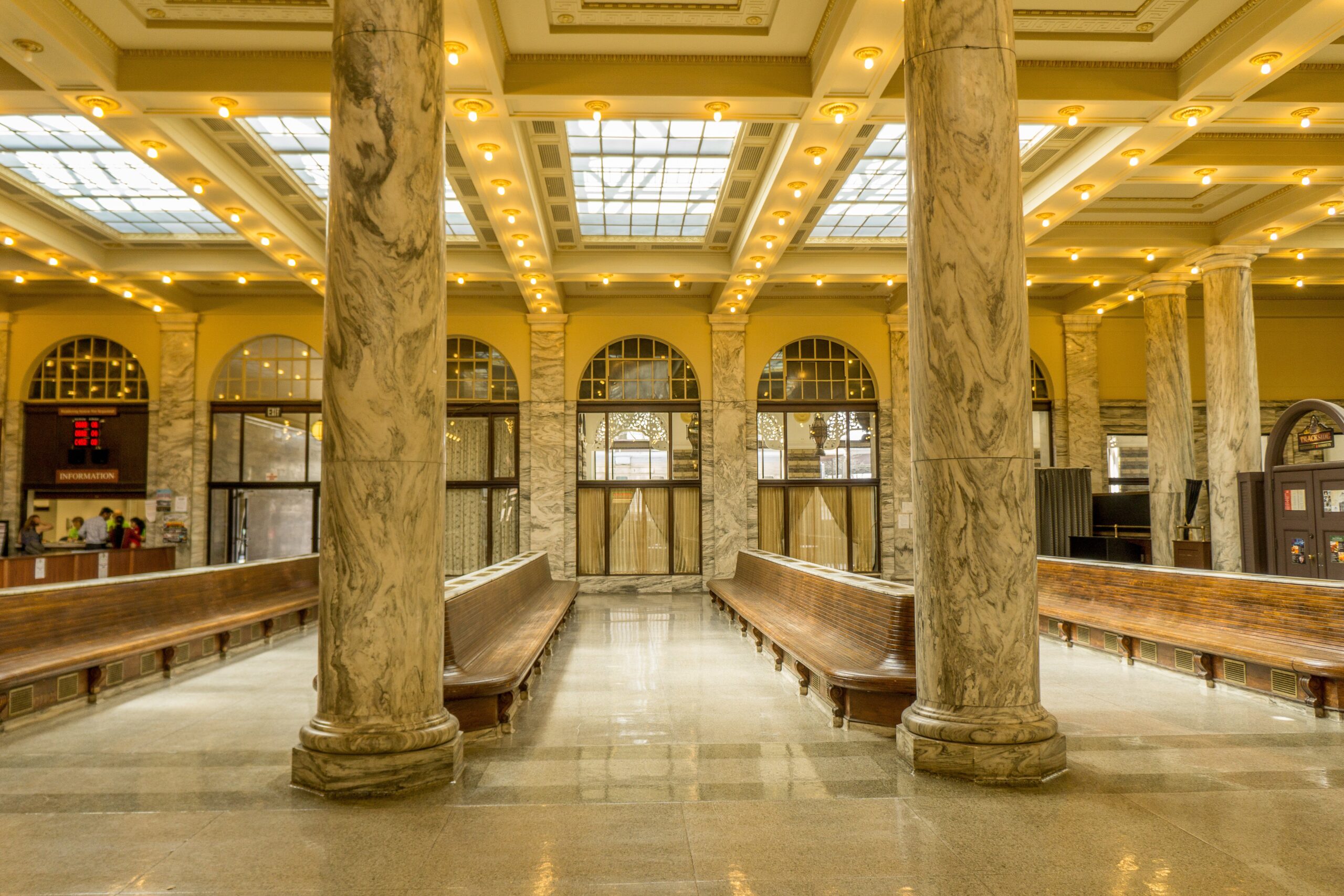
Opened in 1914, Union Station in Washington, D.C. was built to unite multiple railroads under one grand façade, facilitating travel and freight movement throughout the nation. The station was designed by the prominent architectural firm of Daniel Burnham, which aimed to reflect classical grandeur. With its grand hall, featuring high vaulted ceilings and beautiful marble flooring, the station quickly became a symbol of accessibility and modernity for travelers. As cities expanded, stations like Union Station played a crucial role in societal growth and connectivity.
Current Operations and Services
Today, Union Station continues to thrive, serving as a busy transit hub for AMTRAK, commuter trains, and Metro services. It averaged over 40 million visitors annually before the COVID-19 pandemic, making it one of the busiest intermodal transportation centers in the nation. Post-pandemic recovery efforts have included investments in renovations and enhancements to passenger services. The station is equipped with amenities ranging from shopping and dining options to public art displays and historical exhibitions, contributing to its allure as a destination beyond just a transit point.
Recent Developments
In recent months, Union Station has been part of discussions regarding the future of urban transport in the wake of increasing ridership. Local government has initiated plans for upgrades to further improve accessibility, with proposals including enhanced digital services for passengers and infrastructure enhancements to support an evolving transit network. Additionally, sustainability goals are being integrated into the renovation plans to align with climate initiatives aimed at reducing carbon footprints in public transportation.
Conclusion
Union Station stands not only as a historical and architectural gem but as a testament to the enduring value of connectivity within American society. As the station continues to evolve, it reflects the changing dynamics of transportation and urban planning. For travelers and city developers alike, Union Station remains a critical junction, vital for both everyday commutes and the larger narrative of American progress. Looking ahead, the ongoing enhancements prioritize user experience while keeping a historical perspective, ensuring that Union Station will remain a cherished asset for generations to come.