Introduction
Unemployment remains a pivotal topic in the economic discussions of the United States, reflecting not only the health of the economy but also the living standards of millions of Americans. Understanding current unemployment trends is crucial for policymakers, businesses, and job seekers alike as the nation continues to recover from the economic impacts of the COVID-19 pandemic and address ongoing labor market challenges.
Current Unemployment Statistics
As of September 2023, the Bureau of Labor Statistics reported that the unemployment rate in the United States stands at 3.8%. This figure marks a slight increase from previous months, indicating potential shifts in the job market. Notably, this rate remains relatively low compared to historical averages, particularly given the challenges posed by the pandemic. The labor force participation rate is also significant, currently at 62.5%, which suggests that many Americans are still hesitant to enter the workforce.
Factors Influencing Unemployment
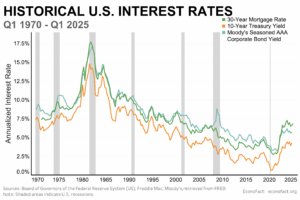
Several factors contribute to the current trends in unemployment within the United States. One significant aspect is the ongoing adjustment to the post-pandemic economy. Industries such as hospitality and retail are still struggling to fully rebound, with labor shortages and rising wages influencing their hiring capabilities. Additionally, the Federal Reserve’s decisions to raise interest rates in efforts to combat inflation are impacting job growth potential, as borrowing costs increase and businesses become more cautious about expansion and hiring.
Regional Variations
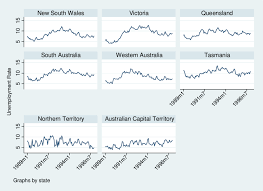
It’s also important to consider regional disparities in unemployment rates. States such as Utah and Nebraska report unemployment rates below 3%, showcasing strong job markets, while areas like California and New York continue to face higher rates due to densely populated urban environments and economic disparities. Addressing these regional variations requires tailored economic policies and interventions designed to stimulate growth in struggling areas.
Conclusion
As we navigate through the complexities of the labor market, it is essential to stay informed about unemployment trends and their implications. Economic forecasts suggest that, while the economy is recovering, challenges such as inflation, industry shifts, and regional disparities will continue to affect employment rates. By understanding these dynamics, individuals can better position themselves in the job market, while policymakers can develop targeted strategies to foster job growth and economic stability. Addressing unemployment effectively is a shared responsibility that involves collaboration between the government, businesses, and communities to build a workforce ready for the future.